Laser Oral Surgery NYC: Minimally Invasive Treatment at Central Park Oral Surgery
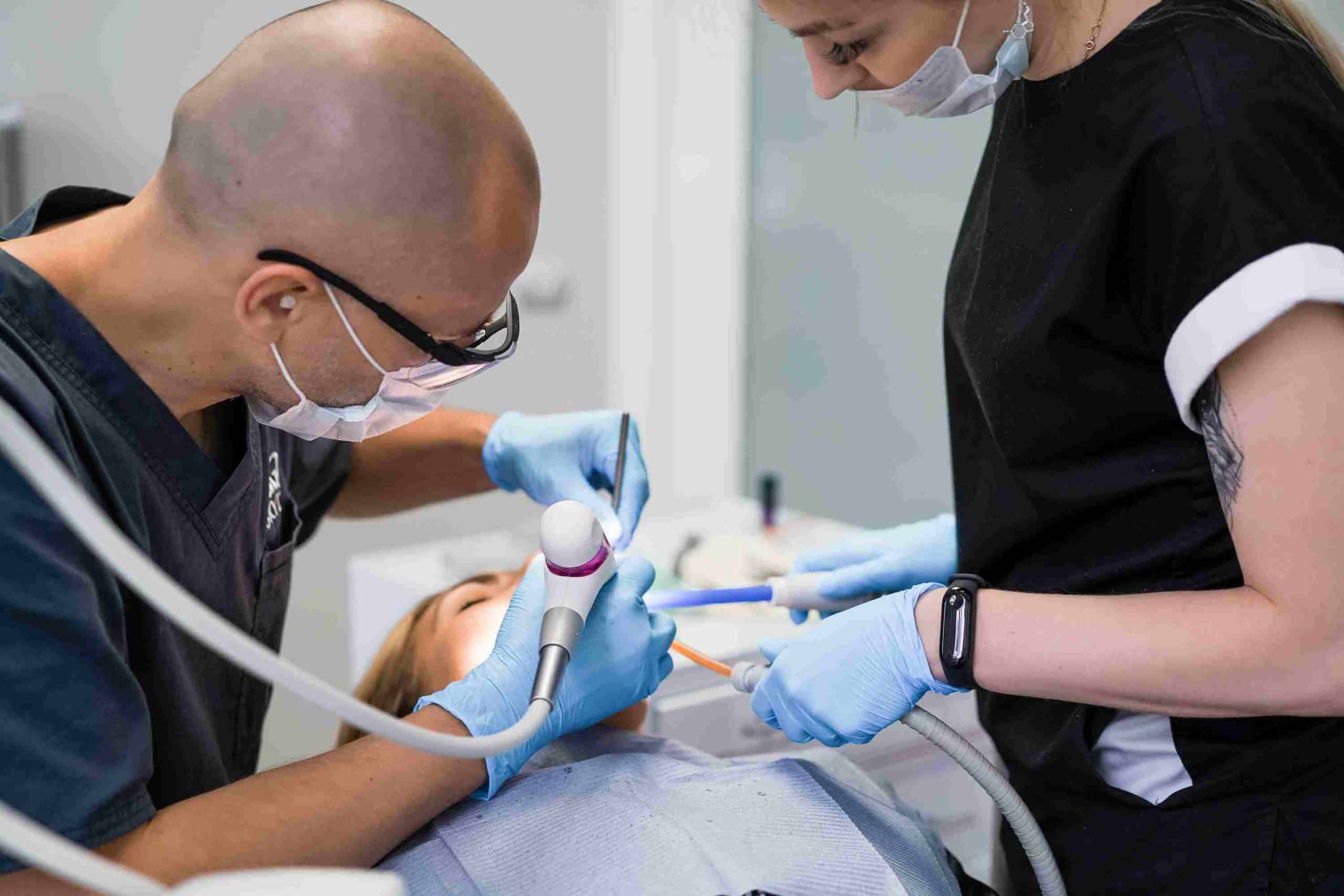
If you are searching for laser oral surgery in NYC, you are looking for a modern approach to dental care that prioritizes precision, comfort, and faster healing. Traditional oral surgery, while highly effective, often involves scalpels, sutures, and longer recovery periods. For many patients, the thought of incisions, bleeding, and post‑operative swelling can be a source of anxiety. Laser technology addresses these concerns by offering a minimally invasive alternative that is transforming the field of oral surgery.
At Central Park Oral Surgery, Dr. Andrei Mark utilizes advanced laser technology to perform a wide range of procedures with exceptional accuracy. By using focused light energy, we can target specific tissues without damaging surrounding healthy areas. This means less bleeding, reduced swelling, minimal need for stitches, and a significantly faster return to your daily routine. Whether you require treatment for gum disease, removal of oral lesions, a frenectomy, or even cosmetic gum reshaping, laser surgery provides a more comfortable experience from start to finish.
Patients who choose laser oral surgery often report less anxiety before the procedure, little to no discomfort during treatment, and a quicker, smoother recovery. Many procedures that once required a scalpel and multiple follow‑up visits can now be completed in a single, efficient appointment. If you value precision, want to minimize downtime, and seek the most advanced care available in New York City, laser oral surgery at Central Park Oral Surgery is the ideal choice.
For a complete overview of all surgical services we offer, visit our oral surgery in NYC page.
What Is Laser Oral Surgery?
Laser oral surgery represents a significant leap forward in dental technology. By harnessing the power of focused light energy, this advanced technique allows oral surgeons to perform precise procedures without the need for traditional scalpels or sutures.
The laser’s energy simultaneously cuts, cauterizes, and sterilizes the treatment area. This minimizes bleeding, reduces the risk of infection, and promotes faster tissue regeneration.
For patients in New York City, this translates to a more comfortable experience, effectively reducing the anxiety often associated with conventional surgery. Many laser procedures also require less anesthesia and allow for a quicker return to normal activities, making them an increasingly popular choice for those seeking state‑of‑the‑art oral care.
Conditions Treated with Laser Technology
Conditions Treated with Laser Technology
The versatility of laser technology makes it an ideal solution for a wide range of dental health issues, from soft tissue problems to hard tissue applications. Unlike traditional methods that may require incisions, sutures, and extended healing periods, laser surgery offers a minimally invasive approach that preserves healthy tissue while precisely targeting the area of concern. When you choose laser oral surgery at our practice, Dr. Andrei Mark can address the following conditions:
-
Periodontal (Gum) Disease: Laser therapy effectively removes infected tissue and bacteria from periodontal pockets while preserving healthy gums. The laser also promotes the regeneration of healthy gum tissue and reduces inflammation, offering a comfortable alternative to traditional gum surgery. Patients often experience less bleeding and faster healing.
-
Oral Lesions & Biopsies: Whether you have a canker sore, a benign growth, or a suspicious lesion requiring diagnosis, laser surgery allows for painless removal and sampling. The laser seals blood vessels and nerve endings as it works, minimizing discomfort and eliminating the need for sutures. Biopsy results can be obtained quickly, providing peace of mind.
-
Tooth Decay Treatment: For patients who feel anxious about the sound and vibration of a dental drill, laser technology offers a quiet, gentle alternative. The laser precisely removes decayed portions of the tooth while preserving more of the healthy structure. Many laser decay treatments require little to no anesthesia, making them ideal for children and adults with dental anxiety.
-
Gum Reshaping (Gingivectomy): Uneven or excessive gum tissue can affect both oral health and smile aesthetics. Laser gum reshaping sculpts the gum line with exceptional precision, correcting a “gummy smile” or exposing more of the natural tooth. The procedure is quick, virtually painless, and requires no stitches, with results visible immediately.
-
Impacted Wisdom Teeth: In some cases, a partially erupted wisdom tooth may be covered by a flap of gum tissue, making cleaning difficult and increasing the risk of infection (pericoronitis). Laser surgery can precisely expose the tooth by removing the overlying tissue, often as a preparatory step before extraction. This approach minimizes trauma and speeds healing.
-
Benign Growths: Fibromas, papillomas, and other benign oral growths can be removed easily with a laser. The procedure is precise, with minimal impact on surrounding healthy tissue, and the laser seals the area to prevent bleeding. Patients typically experience little to no post‑operative discomfort and can resume normal activities within a day.
By choosing laser technology, you benefit from a level of precision and comfort that traditional surgery simply cannot match. Our team will evaluate your specific condition and recommend the most appropriate laser approach for your needs.
Benefits of Laser Oral Surgery
Choosing laser surgery over traditional methods offers a significantly improved patient experience and recovery process. From the moment you sit in the treatment chair to the final days of healing, laser technology is designed with your comfort and long‑term oral health in mind. Here is why patients across New York City are seeking out laser oral surgery:
-
Reduced Pain and Discomfort: The laser’s energy seals nerve endings and blood vessels as it cuts, minimizing trauma to the surrounding tissue. This results in less post‑operative pain and, in many cases, reduces the need for strong prescription pain medications. Many patients report that they require only over‑the‑counter pain relievers, if any at all, after laser procedures.
-
Minimized Bleeding and Swelling: The cauterizing effect of the laser leads to minimal bleeding during the procedure and significantly less swelling afterward. Because the laser seals small blood vessels instantly, the surgical site remains dry and clear, improving visibility for the surgeon and reducing post‑operative bruising. Patients enjoy a smoother, more comfortable healing phase without the swelling that often accompanies traditional scalpel surgery.
-
Faster Recovery Times: Because laser surgery is less invasive and preserves more healthy tissue, patients typically experience a much faster return to their normal routines and diet compared to traditional surgery. While conventional oral surgery may require a week or more of soft foods and restricted activity, many laser patients feel well enough to resume light activities within 24 to 48 hours and eat a normal diet within a few days.
-
Reduced Risk of Infection: The high‑temperature beam of the laser sterilizes the area it contacts, instantly killing bacteria and dramatically lowering the risk of post‑surgical infections. This built‑in disinfection is particularly valuable for procedures involving the gums, where bacteria can easily enter the bloodstream. Patients with compromised immune systems or those prone to infection benefit greatly from this added layer of safety.
-
Less Need for Sutures: In many laser procedures, the need for stitches is eliminated entirely. Because the laser cauterizes as it cuts, the wound edges are sealed, allowing the tissue to heal without sutures. This not only reduces chair time but also spares patients the discomfort of having stitches placed or removed, and eliminates the risk of suture irritation.
-
Greater Precision and Preservation of Healthy Tissue: The laser can be focused on an area as small as a fraction of a millimeter, allowing the surgeon to remove only the diseased or unwanted tissue while leaving surrounding healthy structures untouched. This precision is especially important for delicate areas such as the gum line or the tongue, where preserving healthy tissue is essential for function and aesthetics.
-
Less Anxiety, More Comfort: The absence of the drill’s vibration, the scalpel’s pressure, and the sound of suturing makes laser surgery far less intimidating for patients with dental anxiety. Many individuals who have delayed necessary treatment due to fear find that laser procedures are a turning point, allowing them to receive care in a calm, relaxed state with minimal sedation or even just topical anesthesia.
By offering laser oral surgery, we provide a patient‑focused alternative that prioritizes your comfort, safety, and rapid recovery. Whether you need treatment for gum disease, a frenectomy, or removal of an oral lesion, laser technology can transform your surgical experience.
Common Procedures Performed with Laser Technology
Gum Disease Treatment (Periodontal Laser Surgery)
Laser therapy offers a modern approach to treating gum disease, including both gingivitis (early stage) and periodontitis (advanced stage). Unlike traditional gum surgery, which requires cutting and stitching the gums, laser treatment uses a focused beam of light to precisely target and remove infected tissue from deep within periodontal pockets while leaving healthy gum tissue completely intact.
This minimally invasive technique not only eliminates harmful bacteria but also promotes the regeneration of healthy gum tissue and bone over time. Patients experience significantly less discomfort, bleeding, and swelling compared to traditional incisional surgery. Most laser gum treatments are completed in a single appointment, and patients can return to normal activities almost immediately. The procedure is performed under local anesthesia, though many patients require only topical numbing, making it ideal for those with dental anxiety or sensitivity.
Benefits: No scalpels, reduced bleeding, faster recovery, often no need for sutures, preserves healthy tissue, lowers risk of infection, minimal post‑operative pain.
Tooth Decay Removal
For patients who feel anxious about the sound and vibration of a traditional dental drill, laser surgery provides a welcome and effective alternative. The laser gently and precisely removes decayed portions of the tooth without the heat, pressure, or noise associated with drilling. This drill‑free approach preserves more of the healthy tooth structure because the laser targets only the compromised tissue.
Many patients require little to no anesthesia for laser decay removal, which is especially beneficial for children and adults with a low pain threshold. The procedure is faster than traditional drilling, and the laser also sterilizes the area as it works, reducing the risk of residual bacteria. After treatment, the tooth is ready for a filling or other restoration. Patients often report that laser decay removal is a surprisingly comfortable experience that helps them overcome long‑standing dental fears.
Benefits: No vibration, reduced need for anesthesia, preserves healthy tooth structure, quieter procedure, less anxiety, sterilizes the area, faster appointment time.
Oral Lesion Removal
If you have developed oral lesions such as canker sores (aphthous ulcers), cold sores (herpes simplex), fibromas, papillomas, or other benign growths, laser surgery offers a highly effective method of removal with minimal discomfort. The laser allows for precise excision of the lesion while leaving the surrounding healthy tissue completely unharmed.
Because the laser seals nerve endings and blood vessels as it cuts, patients experience little to no bleeding and significantly reduced post‑operative pain. The procedure is typically completed in minutes, and the sterilizing effect of the laser lowers the risk of recurrence or secondary infection. Healing is rapid, with most patients returning to a normal diet within 24 to 48 hours. For lesions requiring biopsy, the laser provides a clean, intact tissue sample for pathological analysis while ensuring the surgical site heals quickly without sutures.
Benefits: Precision removal, minimal bleeding, rapid healing, lower recurrence risk, often no sutures, quick procedure, reduced post‑operative pain.
Biopsy Removal
When an area of concern, such as a persistent sore, discolored patch, or unusual growth, requires further examination, a biopsy is the standard course of action to rule out or confirm oral pathology. Using laser surgery, Dr. Mark can remove a small tissue sample with exceptional precision. The laser creates a clean incision, and the energy simultaneously seals blood vessels and nerve endings, resulting in minimal bleeding and virtually no discomfort for the patient.
Because the laser sterilizes the area as it cuts, the risk of infection is dramatically reduced. The tissue sample is sent to a pathology laboratory for analysis, and results are typically available within one to two weeks. Unlike traditional scalpel biopsies, laser biopsy often eliminates the need for sutures, and the surgical site heals quickly, usually within a few days. Patients can eat soft foods immediately after the procedure and resume normal activities the same day.
Benefits: Minimally invasive, reduced bleeding, faster pathology results, often no sutures, lower infection risk, rapid healing, minimal post‑operative pain.
Frenectomy
A frenectomy is a simple surgical procedure that involves removing or revising the frenulum, the small band of tissue that connects the upper lip to the gums (lip‑tie) or the tongue to the floor of the mouth (tongue‑tie). When performed with a laser, this procedure is remarkably fast, precise, and virtually painless. The laser vaporizes the frenulum tissue without bleeding, eliminating the need for incisions or sutures.
For infants with tongue‑tie who struggle with breastfeeding, laser frenectomy provides immediate relief, allowing the baby to latch properly within minutes. For older children and adults, the procedure improves speech articulation, oral hygiene, and comfort. Recovery is minimal: infants often feed immediately after the procedure, and older patients may experience mild soreness for a day or two. Because the laser sterilizes the area, the risk of infection is extremely low. Many patients report a noticeable improvement in tongue mobility and a reduction in tension‑related headaches or jaw pain shortly after the procedure.
Benefits: No incisions, no sutures, immediate relief for tongue‑tie or lip‑tie, minimal bleeding, rapid healing, low infection risk, safe for all ages (including infants), improves breastfeeding, speech, and oral function.
Laser Teeth Whitening
In addition to surgical treatments, laser technology can significantly enhance the results of cosmetic teeth whitening. During the procedure, a professional‑strength whitening gel is applied to the teeth, and the laser is used to activate the gel’s active ingredients. The laser energy accelerates the chemical reaction, allowing the whitening agent to penetrate deeper into the enamel and break down stubborn stains more effectively than traditional take‑home kits or in‑office treatments without laser activation.
The entire process typically takes 60 to 90 minutes and can lighten teeth by several shades in a single visit. Patients with intrinsic stains (from aging, tetracycline, or fluorosis) or extrinsic stains (from coffee, tea, red wine, or tobacco) achieve dramatic, long‑lasting results. Unlike some whitening methods, laser whitening minimizes tooth sensitivity because the gel is activated quickly and removed promptly. The results are visible immediately, making it an ideal choice for patients preparing for a special event or simply wanting a brighter, more confident smile. Maintenance treatments every six to twelve months help preserve the whiteness.
Benefits: Faster results, whiter teeth in one appointment, reduced tooth sensitivity compared to other methods, immediate visible improvement, long‑lasting with proper maintenance, safe for most patients, professional‑strength formula.
Why Choose Central Park Oral Surgery for Laser Treatment?
At Central Park Oral Surgery, Dr. Andrei Mark and our skilled team are dedicated to providing the highest standard of care by integrating state‑of‑the‑art laser techniques into our practice. We understand that the prospect of oral surgery can be daunting, which is why we prioritize patient comfort and education.
When you come to us for laser oral surgery, you aren’t just getting advanced technology; you are getting a team committed to a personalized experience. From your initial consultation through your post‑operative care, we ensure you receive effective, precise treatment with less discomfort and accelerated healing.
We also accept a wide range of dental PPO plans. For a complete list of accepted insurance providers, visit our Insurance Plans Accepted page.
Oral Surgery Care in New York City
Patients in New York City seeking laser oral surgery want experienced specialists who combine advanced technology with compassionate care. At Central Park Oral Surgery, Dr. Andrei Mark provides a full range of procedures, from gum disease treatment to frenectomies and lesion removal, for patients throughout Manhattan and surrounding areas. Our practice uses advanced 3‑D imaging and precision laser systems to ensure safe, predictable outcomes.
Learn more about our comprehensive oral surgery services in NYC.
Schedule Your Laser Oral Surgery Consultation Today
If you need laser oral surgery in New York City, contact Central Park Oral Surgery to schedule your consultation. Dr. Andrei Mark and our expert team are here to provide you with the best care possible, utilizing the latest technology and techniques.
📍 Location: 515 Madison Avenue, New York, NY
📞 Call: 212.813.0707
🔗 Request an Appointment: Contact Us


