Dental Implant Cost NYC: Full Pricing Guide
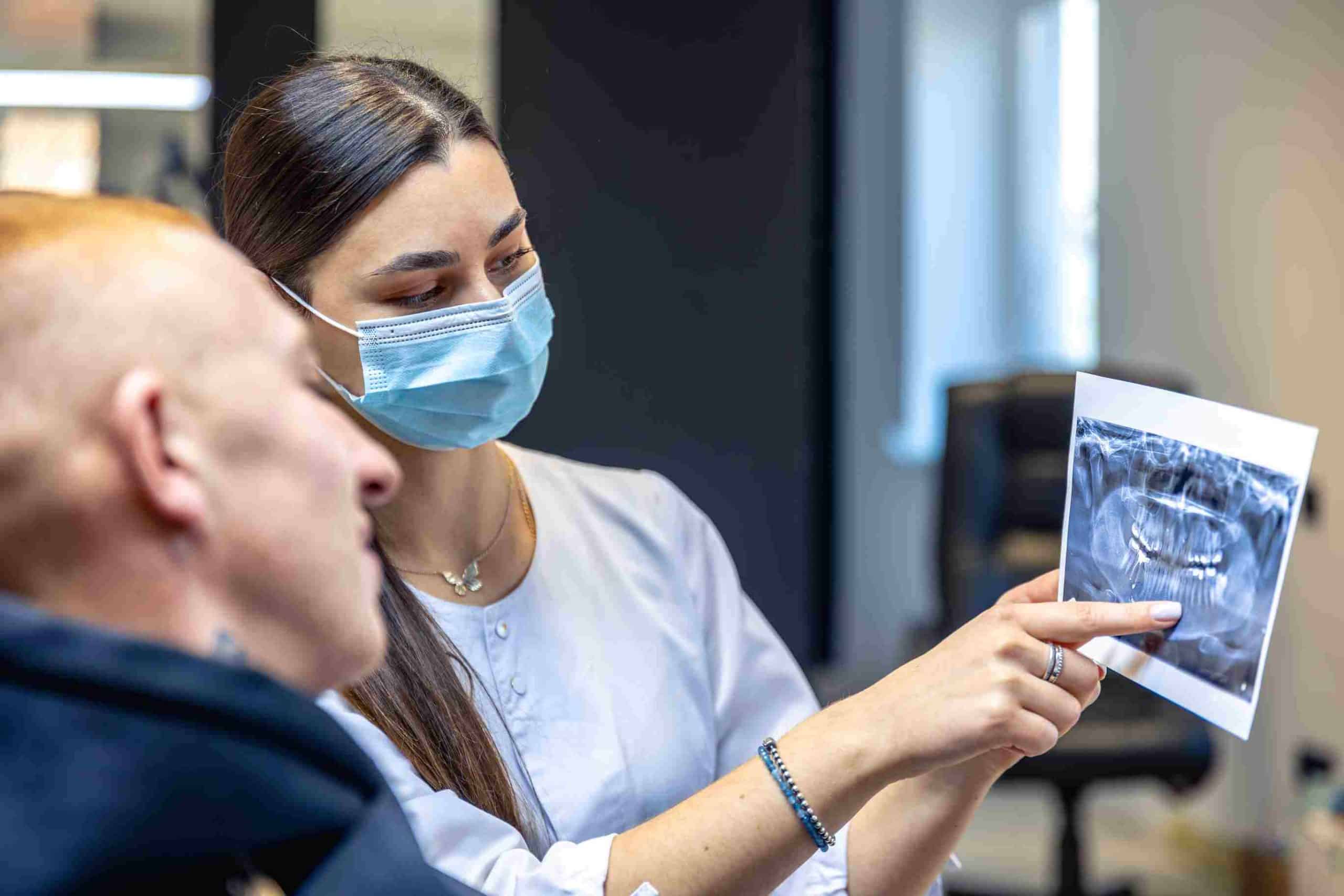
The cost of dental implants in NYC varies based on the complexity of the case, materials used, and whether additional procedures are required. As a leading urban center for specialized dental care, New York City prices reflect the advanced training, technology, and surgical expertise needed to achieve safe, long-lasting results.
In general, patients can expect the following price ranges:
-
Single dental implant (including crown): $3,000 to $6,000
This covers the surgical placement of the implant post, the abutment, and a custom‑crafted crown designed to match the color, shape, and function of your natural teeth.
-
Full arch dental implants (All-on‑4®): $20,000 to $35,000+
For patients missing all teeth in one jaw, full‑arch solutions replace an entire arch using strategically placed implants and a fixed prosthesis. The final cost depends on the implant system, prosthetic materials, and any necessary preliminary treatments.
-
Bone graft or sinus lift (if needed): $3,000 to $5,000
Patients with insufficient jawbone density may require bone grafting or a sinus lift to create a stable foundation for implants. These procedures add to the overall treatment timeline and cost but are often essential for long‑term success.
These ranges reflect real pricing across New York City and align with the level of surgical precision, advanced 3D imaging, and the extensive experience required for implant procedures. Factors that can influence the final cost include the choice of implant brand, the type of crown material (e.g., zirconia vs. porcelain‑fused‑to‑metal), whether sedation is used, and the need for extractions or periodontal treatment.
While implants may seem like a significant investment, they are designed to be a long‑term solution, often lasting decades or more with proper care. Unlike traditional bridges or dentures, implants preserve jawbone density, restore natural chewing function, and eliminate the ongoing maintenance costs associated with removable appliances. Many patients find that the durability, comfort, and quality‑of‑life benefits make dental implants a valuable investment in their overall health.
To learn more about the full treatment process and what to expect, visit our dental implants page.
Factors That Affect Dental Implant Cost
The total cost of dental implants is not fixed. It varies from patient to patient based on several clinical and technical factors. At Central Park Oral Surgery, we believe in complete transparency, so we break down the key elements that influence pricing. Understanding these factors helps you see not just the cost, but the value of a precisely planned, long‑lasting implant solution.
1. Number of Implants Needed
The most direct factor is the number of implants required to restore your smile.
-
Single missing tooth → one implant with a custom crown
-
Multiple missing teeth → two or more implants supporting an implant‑supported bridge
-
Full‑arch or full‑mouth restoration → typically 4 to 8 implants per jaw (e.g., All‑on‑4® or All‑on‑6®)
Each additional implant adds to the overall surgical time and material cost, but also distributes chewing forces more evenly, which can enhance long‑term durability.
2. Type of Restoration (Single Tooth vs. Full Arch)
The restoration, the part of your new tooth that you see and use, comes in different forms, each with a different cost structure:
-
Single crown → the most economical option for replacing one tooth
-
Implant‑supported bridge → a moderate‑cost solution for two or more adjacent missing teeth without placing an implant for every gap
-
Full arch (All‑on‑4® / All‑on‑6®) → a higher‑cost, high‑value solution that replaces an entire upper or lower arch with a fixed, non‑removable prosthesis anchored by strategically placed implants
The choice of restoration also affects the materials used (e.g., acrylic, zirconia, or porcelain‑fused‑to‑metal), which influences both aesthetics and longevity.
3. Sedation or Anesthesia Options
Comfort is a priority during implant surgery. We offer several sedation options to match your anxiety level and the complexity of your procedure:
-
Local anesthesia → included in the base cost
-
Oral sedation → a mild sedative taken before the procedure
-
IV sedation → administered by our experienced team for deeper relaxation; adds to the total cost but provides a stress‑free experience, especially for longer or more complex surgeries
Choosing advanced anesthesia can increase overall fees, but many patients find the enhanced comfort well worth the investment.
4. Advanced Technology and Surgical Planning
Precision is the cornerstone of predictable implant outcomes. At Central Park Oral Surgery, we use state‑of‑the‑art technology that not only improves safety but also contributes to the final cost:
-
CBCT (3‑D imaging) → provides a detailed view of your bone structure, nerve pathways, and sinus position, allowing us to plan implant placement with sub‑millimeter accuracy
-
Digital planning software → lets us map out the entire procedure before making any incisions
-
Guided surgery systems → 3‑D printed surgical guides translate the digital plan directly into the operating room, reducing surgery time and accelerating recovery
While these advanced tools add to the overall investment, they significantly improve outcomes, lowering the risk of complications and ensuring your implants are positioned for optimal function and aesthetics.
By understanding these factors, you can see that dental implant pricing in NYC reflects not only the materials used but also the expertise, technology, and personalized care required to deliver results that last a lifetime. During your consultation, Dr. Andrei Mark will review all of these elements with you and provide a clear, detailed estimate tailored to your unique situation.
Additional Procedures That May Affect Implant Cost
Some patients require additional steps before implants can be placed. These preparatory procedures help create a stable, healthy foundation for long‑term implant success.
Bone Grafting
If bone loss has occurred due to tooth extraction or periodontal disease, a bone graft may be needed to rebuild the jawbone to a volume that can securely support an implant.
Sinus Lift Procedures
For implants placed in the upper back jaw, a sinus lift (sinus augmentation) may be necessary to add bone height beneath the sinus cavity, ensuring safe and stable implant placement.
Tooth Extraction Before Implants
If a damaged or decayed tooth is still present, it must be carefully extracted prior to implant placement. In some cases, the implant can be placed immediately after extraction; in others, a healing period is recommended.
These additional steps are performed with precision and care to maximize the longevity and stability of your final restoration. To learn more about how complex cases are managed, visit our page on dental implants with bone loss.
Does Dental Insurance Cover Dental Implants
Dental insurance coverage for implant procedures varies significantly depending on your individual plan. Many PPO plans, including Aetna, Cigna, Delta Dental, MetLife, and Guardian, may cover a portion of the implant placement or the final crown, though coverage levels are typically subject to annual maximum limits and plan‑specific allowances.
Because each policy is different, our team recommends verifying your benefits prior to treatment. For a detailed overview of how insurance applies to dental implants, visit our dental implant insurance information page.
You can also review the full list of accepted insurance providers at Central Park Oral Surgery on our accepted plans page.
Financing Options for Dental Implant Treatment
If insurance does not fully cover the cost of dental implants, or if your plan does not include implant benefits, several payment options are available to help make treatment more accessible. These options allow patients to move forward with care without unnecessary delay, ensuring that financial considerations do not stand in the way of restoring oral health and function.
-
Credit cards (Visa, MasterCard, AmEx, Discover)
We accept all major credit cards, offering flexibility to pay in full or manage the balance according to your card’s terms.
-
Debit cards
For patients who prefer to pay directly from a checking or savings account, debit cards are a simple, no‑interest option.
-
FSA / HSA accounts
Flexible Spending Accounts (FSA) and Health Savings Accounts (HSA) can often be used to cover dental implant procedures. These accounts allow you to use pre‑tax dollars, effectively reducing the overall cost.
-
CareCredit financing
CareCredit is a healthcare‑specific credit card that offers promotional financing options, including interest‑free payment plans when paid in full within the promotional period. Many patients use CareCredit to break treatment costs into manageable monthly payments.
-
In‑house payment plans
Central Park Oral Surgery offers in‑house payment arrangements for qualified patients. These plans are designed to provide flexibility without the need for a third‑party financing company.
Our administrative team is happy to review your insurance benefits, discuss payment options, and help you choose the approach that best fits your budget. Whether you are planning for a single implant or a full‑arch restoration, we are committed to making high‑quality implant care both accessible and financially manageable.
Why Dental Implant Costs Are Higher in NYC
Dental implant costs in New York City are typically higher than in other regions, and for good reason. The pricing structure reflects the elevated standards of care, advanced technology, and specialized expertise that distinguish implant dentistry in a world‑class urban center. When you choose to undergo implant treatment in NYC, you are investing in a level of precision, safety, and long‑term success that is supported by several key factors.
-
Advanced surgical standards
Oral surgeons in NYC adhere to rigorous clinical protocols that prioritize patient safety and predictable outcomes. From sterile surgical environments to meticulous post‑operative care, these standards exceed basic requirements and contribute to the overall cost, but they also significantly reduce the risk of complications.
-
Highly trained specialists
Implant placement is performed by oral surgeons with extensive postgraduate training. In New York, many specialists have completed additional fellowships and maintain decades of experience managing complex cases. This depth of expertise ensures that even challenging situations, such as severe bone loss or proximity to vital structures, are handled with precision, which directly improves success rates.
-
Access to digital planning technology
Leading NYC practices invest in state‑of‑the‑art equipment such as CBCT 3‑D imaging, intraoral scanning, and guided surgery systems. These technologies allow for virtual treatment planning before a single incision is made, resulting in greater accuracy, shorter surgery times, and faster recovery. The integration of this technology adds to the upfront cost but delivers superior outcomes compared to traditional freehand placement.
-
Strict safety and licensing requirements
New York State maintains some of the most stringent licensing, facility, and infection‑control regulations in the country. Surgical suites must meet elevated standards, and practices are subject to regular inspections. Compliance with these regulations ensures a level of safety that is not always guaranteed in less regulated markets.
New York City offers some of the highest‑quality implant care available anywhere. While this excellence directly impacts pricing, it also translates into higher long‑term success rates, fewer complications, and the confidence that your smile is being restored with the utmost skill and technology. For many patients, the investment in quality care provides peace of mind and lasting value that far outweighs the initial cost.
Are Dental Implants Worth the Cost
Dental implants are widely regarded as one of the most reliable and long‑lasting solutions for missing teeth. Unlike traditional restorations, implants address both the visible tooth and the underlying root structure, offering benefits that extend far beyond aesthetics:
-
Preserve jawbone structure: Implants stimulate the jawbone through normal chewing forces, preventing the bone loss that typically occurs after tooth loss.
-
Restore full chewing function: Securely anchored in the jaw, implants provide stability comparable to natural teeth, allowing you to eat a wide variety of foods with confidence.
-
Do not affect adjacent teeth: Unlike dental bridges, implants do not require alteration of neighboring healthy teeth, preserving your natural tooth structure.
-
Provide long‑term durability: With proper care, dental implants can last decades or even a lifetime, making them a reliable investment in your oral health.
Because implants are a permanent, fixed solution, they eliminate the ongoing maintenance, adhesives, and fit concerns associated with dentures. While the upfront cost may be higher, their longevity and reduced need for future dental work make them a cost‑effective choice over time.
To learn more about how implants compare to traditional dentures, visit our detailed comparison guide: dental implants vs. dentures
Dental Implant Treatment in New York City
Patients searching for dental implants in New York City often look for experienced specialists and advanced surgical technology. At Central Park Oral Surgery, Dr. Andrei Mark performs implant procedures using 3D CBCT imaging, computer‑guided surgery, and precision‑driven treatment planning, ensuring accurate placement, shorter recovery times, and predictable results.
To learn more about implant treatment at our practice, visit our dental implants page.
Dental Implant Consultation at Central Park Oral Surgery
Every implant case is unique. The best way to determine your treatment options and associated costs is through a one‑on‑one consultation tailored to your specific needs.
During your visit, we will:
-
Evaluate your bone structure using advanced 3D imaging
-
Discuss your goals and answer any questions
-
Develop a customized treatment plan
-
Provide a clear, detailed cost breakdown
Central Park Oral Surgery
📍 Location: 515 Madison Avenue, New York, NY
📞 Call: 212.813.0707
We invite you to schedule a consultation and take the first step toward a restored, confident smile.


