Dental Implant Recovery Time: Healing Timeline Explained
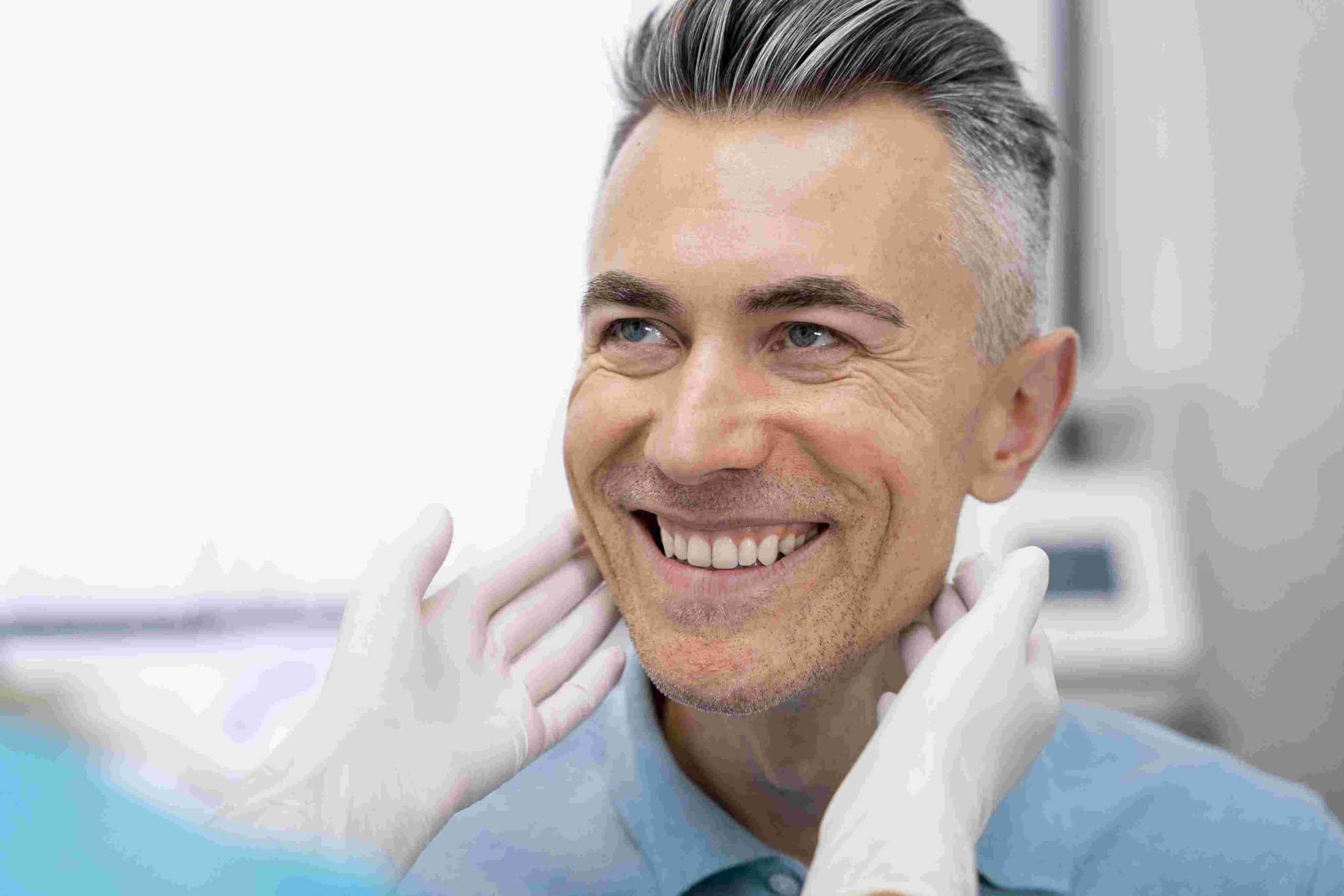
Undergoing dental implant surgery is a significant step toward restoring your smile, chewing function, and long‑term oral health. Whether you are receiving a single implant to replace one tooth or undergoing a full‑arch reconstruction, the procedure itself is only one part of the journey.
The healing period that follows is equally important. This is when the implant fuses with your jawbone, a process called osseointegration, creating a stable, durable foundation for your new tooth. A smooth recovery sets the stage for long‑term success.
Understanding the recovery timeline helps you:
-
Plan time away from work or daily activities
-
Manage discomfort and swelling effectively
-
Follow proper aftercare instructions
-
Recognize normal healing signs versus potential complications
While every patient heals at their own pace, knowing what to expect during the first hours, days, and weeks after surgery can help you feel more confident and prepared.
What This Guide Covers
In this guide, we’ll walk you through the typical dental implant recovery timeline, including:
-
Immediate post‑operative period: what to do in the first 24 hours
-
First few days: managing swelling, pain, and diet
-
First two weeks: activity restrictions and oral hygiene
-
Long‑term healing: osseointegration and preparing for the final restoration
You’ll also learn best practices for caring for your implant as it heals, tips for a faster recovery, and when to contact your oral surgeon.
With proper care and attention, you can support the healing process and set the stage for a successful, long‑lasting restoration.
What to Expect Immediately After Implant Surgery
After dental implant surgery, you will begin your recovery process. The initial period focuses on the healing of the implant site and may involve some swelling, bruising, and mild discomfort. Here’s what you can expect:
-
Immediate swelling: Swelling around the implant site is a normal response to surgery. It typically begins within a few hours, peaks around 48 hours, and then gradually subsides. Applying ice packs to the outside of your face in 20‑minute intervals during the first 24 hours can help reduce swelling.
-
Pain management: Your oral surgeon will prescribe or recommend pain relief medications to help manage any discomfort. Over‑the‑counter options may also be sufficient for milder cases. Taking medication as directed, before the local anesthesia wears off, can help you stay comfortable.
-
Bleeding and dressings: You may have gauze or surgical dressings placed over the implant site to control bleeding. Minor oozing is normal for the first 12–24 hours. If bleeding persists, biting gently on a moistened gauze pad for 30 minutes can help.
-
Diet and hydration: Stick to cold, soft foods such as yogurt, smoothies, and applesauce during the first day. Avoid hot beverages, straws, and spicy foods, as these can disturb the surgical site. Staying hydrated is important, but drink slowly and avoid swishing liquids forcefully.
-
Rest and activity: Plan to rest for the remainder of the day after surgery. Avoid strenuous activity, heavy lifting, or bending over for the first 24–48 hours to minimize bleeding and swelling. Keeping your head elevated with an extra pillow while resting can also help reduce swelling.
During this time, it’s important to follow your oral surgeon’s instructions carefully, including any guidelines about rinsing, brushing, and taking prescribed medications, to minimize risks and ensure proper healing.
The First 24–48 Hours After Dental Implant Surgery
The first 24 to 48 hours are crucial for dental implant recovery. During this time, the body works to begin healing the surgical site, and your actions can directly impact how smoothly the process goes. Here’s how to care for your implant during this early period:
-
Rest: Allow your body to focus its energy on healing. Rest as much as possible and avoid strenuous physical activity, heavy lifting, or bending over. Elevated heart rate and blood pressure can increase swelling and bleeding.
-
Cold compress: Apply ice packs to the outside of your face over the surgical area for 20 minutes on, then 20 minutes off. This helps reduce swelling, numbs discomfort, and minimizes bruising. Continue this routine for the first 24 hours.
-
Avoid touching the implant site: Do not touch the surgical site with your fingers, tongue, or any object. Avoid poking at the area, and be careful not to disturb any stitches or dressings. Disturbing the site can introduce bacteria or dislodge the protective blood clot that forms, increasing the risk of infection or delayed healing.
-
Dietary choices: Stick to cold, soft foods and liquids for the first day. Recommended options include yogurt, smoothies, broth, applesauce, and protein shakes. Avoid hot foods and beverages, as heat can increase swelling. Do not use straws, as the suction can dislodge the blood clot.
-
Oral hygiene: Do not rinse, spit, or brush near the surgical site for the first 24 hours. After that, you may be instructed to gently rinse with a saltwater solution (a teaspoon of salt in a cup of warm water) two to three times a day, but do not swish forcefully; simply let the water move over the area and tilt your head to release it.
-
Medications: Take any prescribed pain relievers or antibiotics exactly as directed. Even if you are not in significant discomfort, staying ahead of the pain with medication can help you rest more comfortably. Completing the full course of antibiotics is essential to prevent infection.
-
What to watch for: While some bleeding, swelling, and discomfort are normal, you should contact your oral surgeon if you experience severe bleeding that does not subside with pressure, a fever, worsening pain after the third day, or any signs of allergic reaction to medication.
You should start seeing some of the swelling and discomfort decrease after the first 48 hours. By then, the initial healing phase will be well underway, and you can gradually begin to resume light activities while continuing to care for the implant site. Following your surgeon’s instructions closely during these first two days sets the foundation for a smooth and successful recovery.
The First Week of Recovery
In the first week following your dental implant surgery, your body continues the healing process while the initial swelling and discomfort gradually subside. Following your oral surgeon’s instructions during this period is essential for minimizing complications and ensuring the implant integrates successfully. Here’s what to expect and how to care for yourself:
-
Continue pain management: Take any prescribed pain medications and antibiotics exactly as directed, even if you feel you no longer need them. Pain medication helps you stay comfortable so you can rest, while antibiotics prevent infection around the surgical site. If you were prescribed an antibiotic rinse (such as chlorhexidine), use it as instructed.
-
Stick to soft foods: Continue eating soft, nutrient‑dense foods that require little to no chewing. Good options include yogurt, scrambled eggs, mashed potatoes, smoothies, oatmeal, soup, and well‑cooked pasta. Avoid hard, crunchy, or spicy foods that could irritate the area. Stay hydrated, but continue to avoid straws, as suction can disrupt the healing site.
-
Gentle mouth care: You can begin gently rinsing with warm salt water (1 teaspoon of salt in 8 ounces of water) 2–3 times a day, especially after meals. Let the water move gently over the site; do not swish forcefully. If you have a prescribed antimicrobial rinse, follow the timing instructions (often morning and night). You may also gently brush your other teeth, being careful to avoid the surgical area.
-
Avoid smoking and tobacco: Smoking and other tobacco use significantly delay healing, increase the risk of infection, and can lead to implant failure. If you smoke, it is best to refrain during the entire healing period, at minimum, avoid it for the first two weeks.
-
Limit physical activity: Light activities like walking are fine, but avoid strenuous exercise, heavy lifting, or any activity that increases heart rate or blood pressure. Elevated blood flow can cause throbbing and swelling at the surgical site. Most patients can return to normal daily activities after a few days, but listen to your body.
-
Sleep with your head elevated: Continue sleeping with your head slightly elevated using an extra pillow for the first few nights. This helps reduce swelling and minimizes the risk of bleeding while you rest.
-
Watch for signs of healing: Swelling and bruising typically peak around day 2–3 and then begin to subside. Minor tenderness and a slight sensation of pressure at the implant site are normal as the tissues heal. You may notice the stitches loosening or dissolving (if dissolvable sutures were used) by the end of the first week.
-
When to contact your surgeon: Reach out to your oral surgeon if you experience:
-
Severe pain that does not improve with medication
-
Bleeding that continues or worsens
-
A fever over 101°F (38.3°C)
-
Unusual swelling or pus discharge
-
Any reaction to medication
By the end of the first week, most patients feel significantly better, with swelling and discomfort greatly reduced. Your surgeon will likely schedule a follow‑up appointment to check the healing progress and discuss the next steps in your treatment timeline.
The Osseointegration Healing Phase
The most critical part of the dental implant recovery process is the osseointegration phase. This is where the implant begins to bond with the jawbone, creating a stable and secure foundation for your new tooth. Without successful osseointegration, the implant cannot support the crown or function like a natural tooth.
What is osseointegration?
Osseointegration refers to the biological process in which living bone cells grow and fuse directly to the surface of the titanium implant post. Because titanium is biocompatible, the body does not reject it. Instead, the jawbone gradually integrates with the implant, anchoring it firmly in place. This fusion is what gives dental implants their exceptional strength and durability, mimicking the natural root structure of a tooth.
Typical timeline
The osseointegration process usually takes:
-
3 to 6 months for a single implant in a healthy patient with adequate bone density. During this time, the titanium post fuses with the surrounding jawbone.
-
Longer healing times may be required for patients who received bone grafting, sinus lifts, or have underlying health conditions that affect bone healing, such as diabetes or osteoporosis.
-
Full‑arch cases (All‑on‑4® or multiple implants) may follow a similar healing timeline, though temporary prostheses are often placed to maintain function and aesthetics during the integration period.
Factors that influence osseointegration
Several factors can affect how well and how quickly the implant integrates:
-
Bone quality and quantity: Patients with dense, healthy jawbone typically experience faster and more predictable integration. Those with lower bone density may require a longer healing period.
-
Implant placement: Precise surgical placement, guided by 3‑D imaging, helps ensure optimal contact between the implant and bone.
-
Health and lifestyle: Conditions such as uncontrolled diabetes, smoking, and poor nutrition can slow healing and increase the risk of implant failure.
-
Follow‑up care: Attending scheduled appointments allows your surgeon to monitor healing and intervene early if any issues arise.
What to expect during this phase
During osseointegration, you will not feel the implant fusing with the bone. Most patients experience little to no discomfort during this period. You may have a temporary restoration in place, and you will be able to eat a relatively normal diet, though it is wise to avoid putting excessive pressure on the implant site.
Your oral surgeon will provide guidelines on:
-
Maintaining oral hygiene around the implant without disturbing the healing tissues
-
Dietary modifications to protect the implant during integration
-
Activity restrictions, especially if you had multiple implants or grafting procedures
The importance of follow‑up appointments
It is essential to attend all follow‑up appointments during the osseointegration phase. At these visits, your surgeon will:
-
Examine the implant site for signs of proper healing
-
Use imaging, such as X‑rays or CBCT scans, to verify bone integration
-
Assess the health of the surrounding gum tissue
-
Determine when you are ready for the next step, placement of the abutment and final crown
Rushing this process can compromise implant stability. Your surgeon will confirm that osseointegration is complete before proceeding to the restorative phase.
Moving forward
Once osseointegration is confirmed, you will be ready for the final stage of treatment. The abutment (connector) is placed, and impressions are taken to create your custom crown. With a fully integrated implant, your new tooth will be strong, stable, and designed to last for decades with proper care.
When Can Patients Eat Normally Again
Once the osseointegration process is complete and your implant has fully bonded with your jawbone, you can gradually return to eating solid foods. This usually occurs within:
- 3 to 6 months: After the implant has fused with the bone, you’ll be able to resume eating a normal diet, including harder foods such as apples or steak.
During the recovery period, be sure to follow your oral surgeon’s recommendations on when to reintroduce harder foods to avoid placing stress on the implant.
When Can You Return to Work After Implant Surgery
Most patients can return to work within 2 to 3 days after dental implant surgery, especially if their job doesn’t involve physical labor. However, if your work is physically demanding, you may need to take 1 to 2 weeks off to allow for proper recovery.
Here are a few tips:
- Light work: If your job doesn’t require heavy lifting, you can resume activities after a few days of rest.
- Physical work: If your work involves heavy lifting or physical activity, wait until you are cleared by your oral surgeon to prevent complications.
Tips for Faster Dental Implant Healing
How to Support a Smooth Recovery
Healing after dental implant surgery varies by patient, but adhering to the following evidence‑based guidelines can help optimize the healing process and reduce the risk of complications:
-
Follow all post‑operative instructions. Strictly adhere to the specific care protocols provided by your oral surgeon. These instructions are tailored to your procedure and are essential for minimizing swelling, controlling discomfort, and preventing infection.
-
Maintain a soft‑food diet. Consume only soft, nutrient‑rich foods that require minimal chewing—such as yogurt, puréed soups, scrambled eggs, and smoothies—until cleared by your surgeon to resume a regular diet. Avoid hot, spicy, or crunchy items that may irritate the surgical site.
-
Refrain from smoking and tobacco use. Tobacco products impair blood flow and significantly delay tissue healing, increasing the risk of implant failure. Abstaining during the entire healing period is strongly recommended.
-
Use prescribed oral rinses as directed. If your surgeon prescribes an antimicrobial mouthwash (e.g., chlorhexidine), use it according to the schedule provided. Do not rinse vigorously; gentle use helps maintain a clean surgical environment without disrupting healing tissues.
-
Stay adequately hydrated. Proper hydration supports cellular repair and overall recovery. Drink plenty of water throughout the day, but avoid using straws, as suction can dislodge the protective blood clot at the implant site.
Following these evidence‑based recommendations will help ensure a predictable healing trajectory and lay the groundwork for a successful, long‑lasting implant restoration.
When to Contact Your Oral Surgeon
It’s normal to experience some discomfort, swelling, or bruising after dental implant surgery. However, if you experience any of the following, you should contact your oral surgeon immediately:
- Excessive pain or swelling that doesn’t improve after the first few days
- Signs of infection, such as fever, pus, or redness at the implant site
- Difficulty breathing or swallowing
- Unusual bleeding that doesn’t stop
Your oral surgeon is there to help, and it’s important to reach out if you have any concerns during the recovery process.
📍 Location: 515 Madison Avenue, New York, NY
📞 Call: 212.813.0707
Whether you need a second opinion or are ready to move forward with treatment, Dr. Andrei Mark is here to provide expert care and exceptional results in a professional, patient-focused environment.


