How Long Do Dental Implants Last? Lifespan and Maintenance
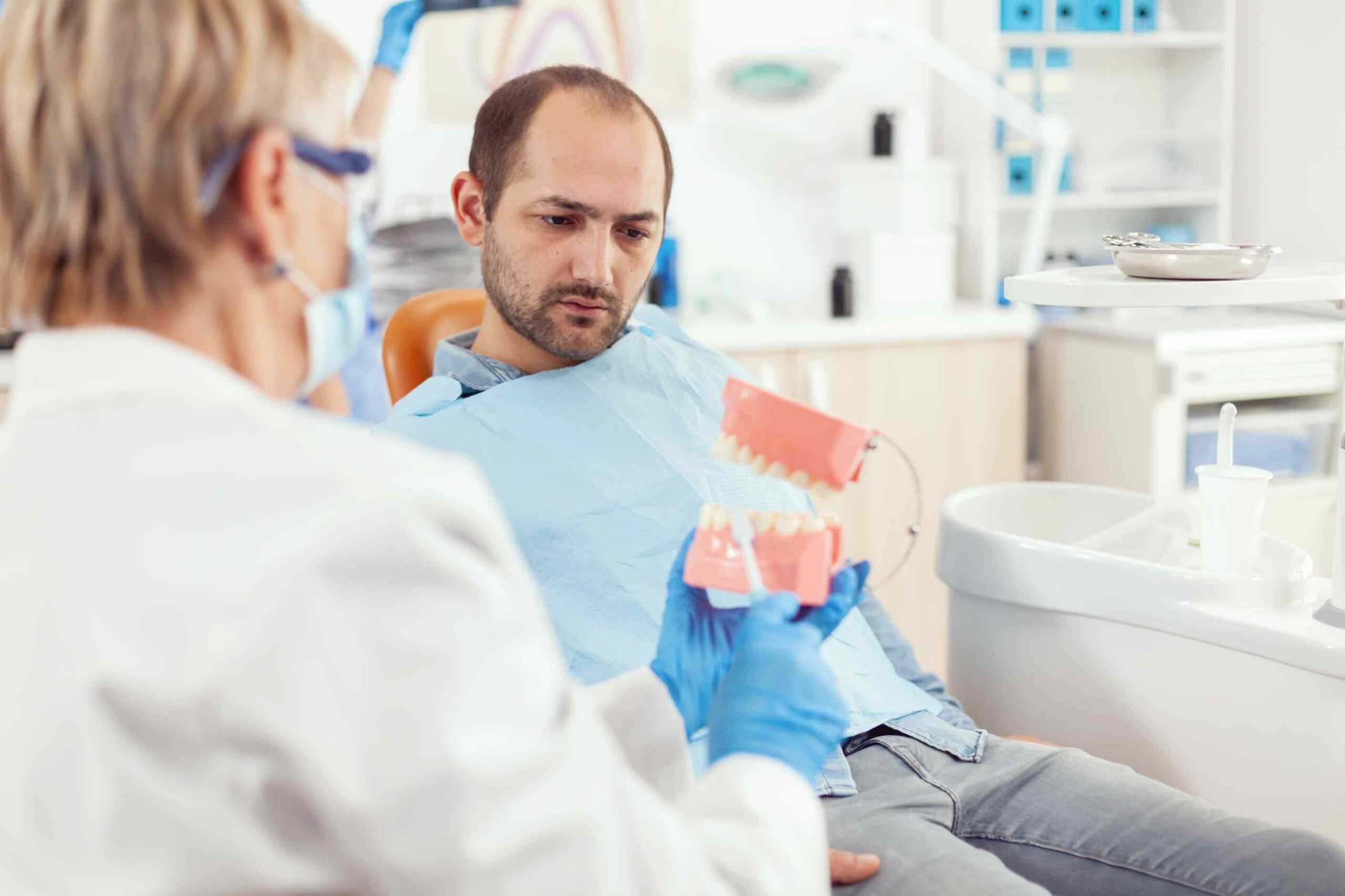
Dental implants are known for their durability and long‑lasting results. With proper care, they can serve you for decades, often a lifetime.
At Central Park Oral Surgery, we specialize in implant procedures designed for stability and longevity. Our approach combines advanced surgical techniques with personalized care.
For a complete overview of the implant process, from consultation to final restoration, visit our main dental implants in NYC page.
Why Proper Care Matters
Just like natural teeth, implants require consistent maintenance.
Central Park Oral Surgery emphasizes patient education to help you understand:
-
What influences implant lifespan
-
How to protect your investment
-
Simple daily habits that make a difference
What This Page Covers
-
Average lifespan of dental implants
-
Key factors that affect longevity
-
Essential steps for keeping your smile healthy
With expert guidance from Central Park Oral Surgery, you can enjoy the full benefits of a restored smile for years to come.
If you’d like a step‑by‑step look at how implants are placed, explore our dental implant procedure guide.
Average Lifespan of Dental Implants
How Long Do Dental Implants Last?
On average, dental implants can last 20 to 30 years or longer with proper care. Unlike bridges and dentures, which often require replacement every 5 to 15 years, implants are designed as a permanent solution for missing teeth.
At Central Park Oral Surgery, we place implants with longevity in mind, using advanced surgical techniques and high‑quality materials to maximize their lifespan.
What Lasts a Lifetime vs. What May Need Replacement
-
Implant fixture (titanium post): Fuses with your jawbone through osseointegration. With proper healing and care, this part can last a lifetime.
-
Implant crown (visible tooth): Subject to normal wear and tear from chewing. While durable, the crown may eventually need replacement after many years of use.
Why Choose Central Park Oral Surgery for Long‑Term Success
-
Expert placement for optimal integration
-
Guidance on proper maintenance
-
Ongoing support to protect your smile for decades
With proper maintenance, many patients enjoy dental implants for decades, experiencing no complications and no need for replacement. Central Park Oral Surgery is here to help you achieve that outcome.
Why Dental Implants Can Last Decades
Dental implants are known for their exceptional longevity, thanks to the advanced materials used and their unique integration with the jawbone. Here’s why they can serve you for 20, 30 years, or even a lifetime.
Titanium Material
-
The implant post is made from medical‑grade titanium, a biocompatible material that the body accepts without rejection.
-
Titanium has the unique ability to fuse directly with living bone, a process that gives implants their incredible strength and stability.
-
This material is also corrosion‑resistant and highly durable, ensuring the implant remains intact even under decades of daily chewing pressure.
Osseointegration
-
Osseointegration is the biological process where the titanium implant post bonds directly with the jawbone.
-
Once fully integrated, the implant becomes a permanent part of your oral structure, just like a natural tooth root.
-
This strong, stable foundation allows the implant to withstand the same biting and chewing forces as a healthy natural tooth, without shifting or loosening over time.
Durable, Wear‑Resistant Materials
-
The crown (visible part) is typically made from high‑strength porcelain, zirconia, or similar materials designed to resist wear, staining, and chipping.
-
These materials are engineered to endure years of normal use while maintaining a natural appearance.
-
With regular check‑ups and good oral hygiene, the crown and supporting components remain functional and aesthetically pleasing for many years.
The Role of Quality Care
-
Proper implant placement by an experienced oral surgeon, like those at Central Park Oral Surgery, ensures ideal positioning for long‑term success.
-
Consistent maintenance, including professional cleanings and routine exams, helps detect any minor issues before they affect the implant’s longevity.
-
When placed and cared for correctly, dental implants provide a permanent, worry‑free solution for tooth replacement.
Factors That Affect Implant Longevity
While dental implants are designed to last a lifetime, their long‑term success depends on several factors—some within your control, others managed through expert care. At Central Park Oral Surgery, we help you understand these factors and provide the guidance needed to protect your implant for decades.
Oral Hygiene
Just like natural teeth, dental implants require consistent, thorough cleaning to prevent plaque buildup, gum inflammation, and infection. Without proper hygiene, the tissues surrounding the implant can become inflamed, leading to peri‑implantitis—a condition similar to gum disease that affects the bone supporting the implant. If left untreated, peri‑implantitis can weaken the bone and eventually cause implant failure.
To protect your implant:
-
Brush twice daily with a soft‑bristled toothbrush, paying special attention to the area where the crown meets the gumline.
-
Floss daily using implant‑specific floss or a water flosser to remove debris around the abutment and beneath the crown.
-
Use an antibacterial mouthwash to reduce bacteria that can lead to inflammation.
-
Schedule regular dental check‑ups and professional cleanings to allow your dentist or oral surgeon to monitor the health of your implant and surrounding tissues.
With diligent home care and routine professional oversight, most patients can avoid peri‑implantitis and enjoy lifelong implant stability.
Smoking and Tobacco Use
Smoking and other forms of tobacco use have a well‑documented negative impact on dental implant success. Nicotine constricts blood vessels, reducing blood flow to the gums and jawbone—two critical components of healing and osseointegration. Smokers also experience higher rates of infection, delayed wound healing, and a greater likelihood of implant failure compared to non‑smokers.
Studies show that implant failure rates in smokers can be significantly higher, particularly in the early healing phase. Even after successful integration, smokers remain at increased risk for peri‑implantitis and bone loss over time.
What you can do:
-
If you smoke, consider quitting or at least reducing your use before and after implant surgery.
-
Avoid all tobacco products during the healing period to maximize blood flow and tissue repair.
-
Discuss your smoking habits with your oral surgeon, Central Park Oral Surgery can provide resources and strategies to support cessation and improve outcomes.
Bone Health and Jawbone Quality
The success of a dental implant depends on having sufficient, healthy jawbone to support it. Bone quality and density influence how well the implant integrates during osseointegration and how stable it remains over time.
Key considerations:
-
Bone loss can occur due to tooth extraction, periodontal disease, or natural aging. When bone volume is inadequate, a bone graft or sinus lift may be performed to rebuild the foundation before implant placement.
-
Systemic conditions such as osteoporosis or uncontrolled diabetes can affect bone healing and may require additional planning.
-
Nutritional factors, adequate calcium, vitamin D, and protein, support bone health and healing.
How we help:
At Central Park Oral Surgery, we use advanced 3‑D imaging (CBCT) to assess your bone structure before surgery. If preparatory procedures are needed, we incorporate them into a personalized treatment plan designed for long‑term success.
Additional Factors to Consider
Beyond hygiene, smoking, and bone health, several other elements can influence implant longevity:
-
Medical conditions: Uncontrolled diabetes, autoimmune disorders, and medications that affect bone metabolism (such as certain osteoporosis drugs) may require specialized management before and after implant placement.
-
Bruxism (teeth grinding): Chronic clenching or grinding can place excessive force on the implant crown and restoration. A custom nightguard may be recommended to protect your implant.
-
Regular professional follow‑up: Routine visits to your oral surgeon or restorative dentist allow early detection of subtle changes in gum health, bite alignment, or crown wear.
Partnering for Long‑Term Success
Central Park Oral Surgery is committed to helping you achieve the longest possible lifespan for your dental implants. From the initial consultation through every follow‑up visit, we provide:
-
Expert surgical placement using the latest imaging and guided techniques
-
Clear aftercare instructions tailored to your health and lifestyle
-
Ongoing monitoring to catch potential issues early
With proper care, regular professional oversight, and a partnership focused on your oral health, your dental implants can serve you comfortably for decades.
How Long Do Implant Crowns Last
While the implant post itself can last a lifetime, the implant crown, the visible, tooth‑colored portion, is subject to normal wear and tear and may eventually need replacement. On average, implant crowns last between 10 and 15 years, though many exceed this range with proper care. Longevity depends on factors such as oral hygiene, bite forces (including grinding or clenching), the materials used (porcelain, zirconia, etc.), and routine professional monitoring.
When a crown becomes worn, chipped, or loosened, it can typically be replaced without disturbing the underlying implant fixture. This modular design makes dental implants a cost‑effective, long‑term solution, offering the stability of a permanent root with the flexibility to refresh the visible restoration as needed.
How to Maintain Dental Implants
Maintaining dental implants is essential to ensuring their longevity and the health of the surrounding gums and bone. While implants are not susceptible to decay like natural teeth, the supporting tissues require the same level of attention to prevent complications such as peri‑implantitis. Here’s how to care for your dental implants properly:
Brush and Floss Regularly
-
Brush your implants at least twice a day using a soft‑bristled toothbrush. A soft brush is gentle on the crown and surrounding gum tissue while effectively removing plaque and food debris.
-
Floss daily using implant‑specific floss, floss threaders, or super floss designed to navigate around the abutment and crown. This helps remove bacteria from areas a toothbrush cannot reach.
Use a Water Flosser
-
A water flosser (oral irrigator) can be particularly effective for cleaning around implants, especially in hard‑to‑reach areas such as beneath the crown or between multiple implant restorations.
-
Use it on a gentle setting to flush out debris and reduce bacterial buildup along the gumline. Many oral surgeons and periodontists recommend water flossers as a supplement to traditional flossing for implant patients.
Attend Regular Check‑Ups and Cleanings
-
Visit your dentist or oral surgeon every six months, or as recommended, for comprehensive examinations and professional cleanings.
-
During these visits, your clinician will evaluate the health of the gum tissue around your implant, check for any signs of inflammation or bone loss, and ensure the crown remains properly seated. Early detection of potential issues is key to preventing more complex problems.
Avoid Hard and Sticky Foods
-
While dental implants are exceptionally durable, the crown is still subject to wear. Avoid biting down on hard items such as ice, hard candies, or non‑food objects, as these can chip or crack the restoration.
-
Similarly, very sticky or chewy foods may place excessive stress on the crown or the cement bond. Practicing mindful eating habits helps preserve the integrity of your restoration.
Additional Considerations
-
Nightguards for grinding: If you clench or grind your teeth (bruxism), your oral surgeon may recommend a custom‑fitted nightguard to protect your implant crown from excessive forces during sleep.
-
Antibacterial rinses: Using an alcohol‑free, antibacterial mouthwash can help reduce oral bacteria and support gum health around the implant.
-
Quit smoking: Smoking compromises blood flow to the gums and can increase the risk of peri‑implantitis. Patients who refrain from tobacco use generally experience better long‑term outcomes.
By following these maintenance guidelines and staying consistent with professional care, you can help ensure that your dental implants remain stable, functional, and aesthetically pleasing for decades to come. At Central Park Oral Surgery, we provide ongoing support and guidance to help you protect your investment and enjoy lasting oral health.
Signs an Implant Restoration May Need Replacement
Dental implants are designed for long‑term reliability, but like any dental restoration, the crown (the visible part) can show signs of wear or require maintenance over time. Recognizing these signs early allows for prompt, often simpler intervention. If you experience any of the following, contact Central Park Oral Surgery for a thorough evaluation.
Visible Wear or Discoloration
Over years of normal use, the implant crown may show signs of wear on its biting surface, develop small chips, or become discolored. While modern ceramic materials are highly stain‑resistant, subtle changes can occur due to dietary habits, grinding, or aging of the restoration. A worn or aesthetically compromised crown may not only affect your smile but can also alter the fit and function of your bite.
Pain or Discomfort When Chewing or Speaking
New or persistent discomfort around an implant site should not be ignored. While some mild sensitivity immediately after crown placement is normal, ongoing pain, especially during chewing, biting, or speaking, may indicate that the crown has become loose, the abutment screw has loosened, or there is underlying inflammation of the gum tissue (peri‑implantitis). Early evaluation can determine whether a simple adjustment, crown replacement, or periodontal care is needed.
Implant Mobility or Looseness
A properly integrated dental implant should feel as solid as a natural tooth. If the implant restoration feels loose, moves when touched, or you notice the crown shifting slightly, this is a sign that something requires attention. Causes can range from a loose abutment screw to a failing implant fixture. Prompt assessment is critical to determine the cause and take corrective action before more extensive treatment becomes necessary.
Gum Redness, Swelling, or Bleeding Around the Implant
Healthy gums around an implant should appear pink and firm. Redness, swelling, tenderness, or bleeding when brushing or flossing can be early indicators of peri‑implantitis—an inflammatory condition that affects the soft tissues and bone supporting the implant. Left untreated, peri‑implantitis can lead to bone loss and compromise implant stability. Regular monitoring helps catch these changes early.
Difficulty Flossing or Food Trapping
If you suddenly find it difficult to floss between the implant crown and adjacent teeth, or if food frequently becomes trapped around the crown, the restoration may have shifted slightly or the gum tissues may have changed. These changes can affect both comfort and hygiene, and they warrant a professional examination.
Why Timely Evaluation Matters
When any of these signs appear, contacting your oral surgeon promptly allows for a straightforward evaluation. In many cases, the issue is resolved with a simple crown adjustment, screw tightening, or replacement of the crown without disturbing the implant fixture. Delaying evaluation can allow minor problems to progress, potentially requiring more complex intervention.
At Central Park Oral Surgery, we provide comprehensive implant maintenance and restoration services. If you notice changes in your implant crown or surrounding tissues, schedule a consultation to ensure your restoration continues to function comfortably and esthetically for years to come.
Why Dental Implants Are Considered a Long-Term Solution
Dental implants are widely regarded as one of the best long‑term solutions for replacing missing teeth. Unlike traditional dentures or bridges, which sit on the gums or rely on adjacent teeth for support, dental implants provide a permanent, stable foundation that closely mimics natural teeth in both function and appearance.
Here’s why dental implants are so successful and long‑lasting:
-
Stable and secure. Anchored directly into the jawbone, implants eliminate the slippage, clicking, or discomfort often associated with removable dentures. You can speak, eat, and smile with complete confidence.
-
Preserve bone health. A missing tooth triggers bone loss in the jaw over time. Because an implant replaces the root as well as the crown, it stimulates the bone, preserving its density and preventing the sunken facial appearance that can accompany long‑term tooth loss.
-
Long‑lasting and cost‑effective. With proper care, the implant fixture can last a lifetime, and the crown can be replaced as needed. Compared to the ongoing costs of denture adhesives, relines, or bridge replacements, implants offer exceptional long‑term value.
To compare the long‑term value of implants against traditional dentures, read our detailed guide: dental implants vs dentures.
Dental Implant Treatment in New York City
Patients searching for dental implants in New York City often look for experienced specialists and advanced surgical technology. At Central Park Oral Surgery, Dr. Andrei Mark provides implant procedures using 3D CBCT imaging, computer‑guided surgery, and precision‑driven treatment planning, ensuring accurate placement, shorter recovery times, and predictable results.
Learn more about our approach to dental implants in NYC at Central Park Oral Surgery.
Begin Your Journey to a Permanent Smile
If you are seeking a durable, natural‑looking solution for missing teeth, dental implants offer an unparalleled combination of stability, function, and longevity. At Central Park Oral Surgery, we provide precise, patient‑centered implant care in a state‑of‑the‑art environment. Schedule a consultation today to determine whether dental implants are right for you and to take the first step toward a restored, confident smile.
Central Park Oral Surgery
515 Madison Avenue
New York, NY
📍 Location: 515 Madison Avenue, New York, NY
📞 Call: 212.813.0707


