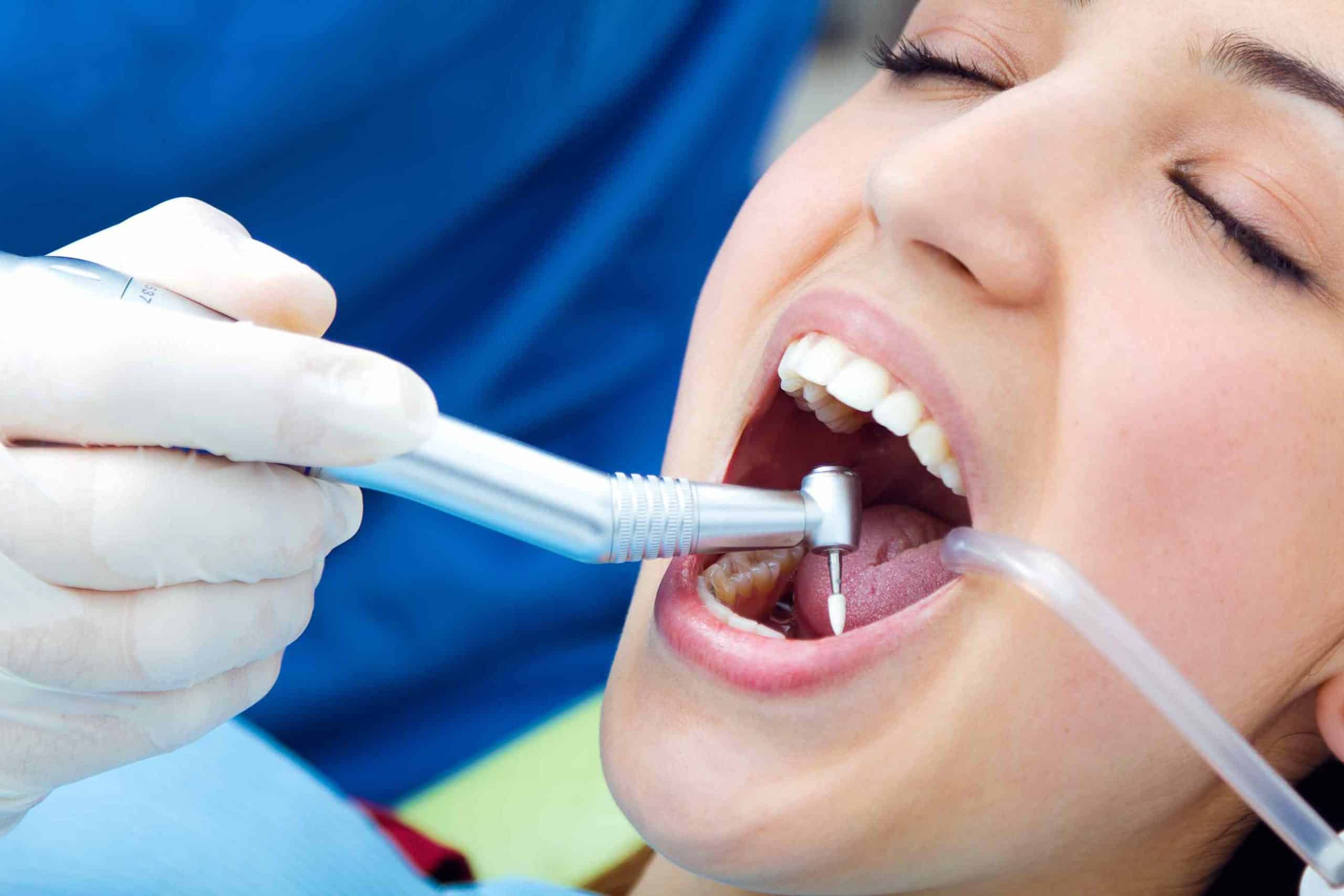
Dental implants are one of the most reliable and long‑lasting solutions for replacing missing teeth. Unlike bridges or dentures, they replace both the tooth and its root, preserving jawbone health and restoring natural chewing ability.
The implant process involves several carefully planned stages. Each step is essential to achieving a stable, natural‑looking result, from initial evaluation to the final custom crown.
At Central Park Oral Surgery in New York City, we take a precise, patient‑centered approach to safety, comfort, and long‑term success. Led by Dr. Andrei Mark, an experienced oral surgeon, our practice uses advanced 3‑D imaging, computer‑guided surgery, and modern sedation techniques to ensure a smooth, predictable experience.
This step‑by‑step guide walks you through the entire dental implant journey, so you know exactly what to expect and can move forward with confidence.
Initial Consultation and Evaluation
The journey to dental implants begins with a comprehensive consultation. During this visit, your oral surgeon evaluates your overall oral health and determines whether you are a suitable candidate for implant treatment. This appointment is also an opportunity for you to ask questions and gain a clear understanding of what lies ahead.
Key components of this evaluation include:
-
Medical history review: Your surgeon will review your complete medical history, including any existing conditions such as diabetes, heart disease, or autoimmune disorders, as well as current medications and previous surgeries. This step is essential for identifying factors that may influence healing or implant success and ensures that your treatment plan is tailored to your overall health.
-
Oral health assessment: A thorough clinical examination of your teeth, gums, and remaining bone structure is performed. Your surgeon will check for signs of gum disease, tooth decay, or other oral health issues that must be addressed before implant placement. Healthy gums and adequate bone are critical to long‑term implant stability.
-
Imaging studies: Advanced 3‑D imaging, such as a cone beam CT (CBCT) scan, provides highly detailed information about bone density, volume, and the precise location of vital structures like nerves and sinuses. These images allow your surgeon to map out the ideal implant position with exceptional accuracy, reducing surgical risks and improving outcomes.
This initial evaluation is the foundation of a customized treatment plan tailored to your unique anatomy and goals. It also gives you a clear understanding of the timeline, costs, and any preparatory procedures, such as bone grafting or extractions, that may be necessary. By the end of your consultation, you will have a complete roadmap for your implant journey.
Advanced Imaging and Treatment Planning
Once you are deemed a candidate for dental implants, advanced imaging and digital planning tools are used to map out the surgical site with exceptional accuracy. At Central Park Oral Surgery, we use 3‑D cone beam CT (CBCT) scans and computer‑guided surgery software to create a virtual blueprint of your implant placement. This technology allows us to plan every detail before the first incision is made.
CBCT imaging captures a complete three‑dimensional view of your jaw, teeth, nerves, and sinuses. Unlike traditional X‑rays, which provide only flat, two‑dimensional images, CBCT gives your oral surgeon a detailed view of bone quality, thickness, and density. This level of detail is essential for determining whether your jaw can safely support an implant and for identifying the optimal location for placement.
Computer‑guided surgery software takes the CBCT data and translates it into a precise surgical plan. This process allows your oral surgeon to:
-
Determine the ideal position, angle, and depth for each implant to ensure optimal support and long‑term stability.
-
Avoid critical structures such as nerves, blood vessels, and sinus cavities, significantly reducing the risk of complications.
-
Select the appropriate implant size and type for your unique bone structure, ensuring a perfect fit.
-
Simulate the final restoration in advance, allowing us to design the crown or bridge for ideal aesthetics and function before surgery even begins.
In many cases, we also create a 3‑D printed surgical guide based on the digital plan. This guide fits over your teeth or gums and directs the drill precisely to the predetermined location, angle, and depth. The result is a minimally invasive procedure with faster healing and more predictable outcomes.
The treatment plan is then finalized, and you will receive a clear outline of the entire process, including the number of appointments, expected recovery time, and any additional procedures (such as bone grafting or extractions) that may be required. You’ll also have the opportunity to review the digital plan with your surgeon, so you understand exactly how your implant will be placed and how the final restoration will look.
This level of precision planning not only improves surgical accuracy but also gives you peace of mind, knowing that your implant is being placed with the highest standard of care.
Tooth Extraction (If Necessary)
If the tooth being replaced is still present, extraction is often performed either immediately before implant placement or during the same surgical visit. This step is necessary when the tooth is:
-
Severely damaged or decayed beyond repair: Extensive decay or structural damage that cannot be restored with a filling, crown, or root canal therapy.
-
Infected and non‑restorable: Persistent infection that has compromised the tooth’s root or surrounding bone, making it a risk to adjacent teeth and the future implant site.
-
Fractured or compromised: A tooth that has cracked vertically or horizontally, often below the gum line, where saving it is no longer possible.
Whenever possible, we perform a minimally invasive extraction to preserve as much healthy bone and soft tissue as possible. Using specialized instruments and techniques, our oral surgeon gently loosens the tooth from its socket while carefully protecting the surrounding bone and gum tissue. This approach is essential because the volume and quality of remaining bone directly influence the success of the subsequent implant.
Immediate vs. Delayed Implant Placement
In some cases, the implant can be placed immediately after extraction, a technique known as immediate implant placement. This approach offers several benefits, including reducing the total treatment time, preserving bone structure, and requiring only one surgical procedure for both extraction and implant placement. Candidates for immediate placement typically have:
-
Adequate bone volume and quality at the extraction site
-
No active infection or inflammation
-
Sufficient gum tissue for proper healing
In other situations, a healing period of several weeks or months is recommended to allow the extraction site to stabilize before implant surgery. This delayed approach is often chosen when:
-
There is significant infection or bone loss
-
The extraction was complex, requiring bone grafting
-
The gum tissue needs time to heal and reshape
During the healing period, a socket preservation graft may be placed at the time of extraction to maintain bone volume and prepare the site for future implant placement. This ensures that when you return for the implant surgery, the foundation is as strong and predictable as possible.
Your oral surgeon will evaluate your specific case and recommend the timing that offers the best chance for long‑term implant success. Whether immediate or delayed, the goal remains the same: to create a stable, healthy foundation for your new tooth.
Bone Grafting or Sinus Lift
For patients with insufficient jawbone density or volume, preparatory procedures such as bone grafting or sinus lifts are often required to create a strong, stable foundation for dental implants. These procedures are common, highly predictable, and significantly expand the number of patients who can benefit from implant treatment.
Bone Grafting: Restoring Lost Bone Structure
When a tooth is lost or extracted, the surrounding jawbone naturally begins to resorb (shrink) over time. This bone loss can compromise the stability of a future implant. Bone grafting rebuilds the bone to a volume and density capable of securely supporting an implant.
-
Types of graft materials: Several options are available, and your oral surgeon will select the most appropriate one based on your needs:
-
Autograft: Bone taken from another area of your own body, often the chin or back of the jaw. This option offers excellent healing potential but requires an additional surgical site.
-
Allograft: Donor bone sourced from a tissue bank, processed to ensure safety and sterility.
-
Xenograft: Bone derived from animal sources (typically bovine) that acts as a scaffold for your body’s own bone cells.
-
Synthetic graft: Lab‑made materials that mimic natural bone and stimulate regeneration.
-
Healing timeline: After bone grafting, a healing period of 4 to 9 months is typically required before the implant can be placed. During this time, the graft material fuses with your natural bone through a process similar to osseointegration. Follow‑up imaging ensures adequate bone formation before moving forward.
-
When is bone grafting necessary?: Bone grafting is most commonly recommended when:
– Bone loss has occurred due to tooth extraction, periodontal disease, or trauma.
– The remaining bone is too thin or soft to support an implant.
– The sinus cavity is too close to the upper jaw implant site (in which case a sinus lift is often combined with grafting).
Sinus Lift (Sinus Augmentation): Creating Height in the Upper Jaw
For implants placed in the upper back jaw (premolar and molar regions), the maxillary sinuses can sometimes be positioned too close to the bone. A sinus lift, also called sinus augmentation, adds bone height beneath the sinus membrane to safely accommodate an implant.
-
How it works: During the procedure, your oral surgeon makes a small incision in the gum tissue to access the sinus area. The sinus membrane is gently lifted upward, and bone graft material is placed into the space created. Over time, this graft material matures into solid bone, increasing the vertical height available for implant placement.
-
Recovery and integration: Like bone grafting, a sinus lift requires a healing period of 4 to 9 months before implant placement. The procedure is performed with the same advanced 3‑D imaging and precision techniques used for implant surgery, ensuring minimal discomfort and high success rates.
Combining Procedures with Implant Surgery
In many cases, bone grafting or a sinus lift can be performed at the same time as implant placement if bone volume is only moderately deficient. This approach reduces overall treatment time. For more extensive bone loss, a staged approach, grafting first, followed by implant placement after healing, provides the most predictable results.
Regardless of timing, these preparatory procedures are performed with:
-
Advanced 3‑D imaging to precisely map the surgical site.
-
Guided surgery techniques to ensure accurate placement.
-
Local anesthesia and sedation options to keep you comfortable throughout.
By investing the necessary time to build a strong foundation, we significantly enhance the long‑term stability and success of your dental implant. Patients who once were told they were not candidates for implants due to bone loss can now enjoy the benefits of permanent tooth replacement with the help of these modern surgical techniques.
Dental Implant Surgery
The implant surgery itself is the core of the treatment. During this procedure, a titanium implant post, which will serve as the artificial tooth root, is placed into the jawbone. The surgery is typically performed under local anesthesia, and sedation options (oral, IV, or general) are available to ensure your comfort throughout.
The surgical process includes:
-
Incision: A small incision is made in the gum tissue to expose the underlying bone.
-
Osteotomy (bone preparation): A series of progressively larger drills are used to create a precise channel in the bone, matching the size and shape of the implant.
-
Implant placement: The titanium implant is gently threaded or tapped into the prepared site, seated at the correct depth and orientation.
-
Closure: The gum tissue is repositioned and sutured around the implant, often with a healing abutment placed to shape the gum tissue for the final crown.
Most single‑implant surgeries take between 30 and 90 minutes. For multiple implants or full‑arch cases, the procedure may be longer, but you remain comfortable throughout.
Healing and Osseointegration Phase
After the implant is placed, a critical healing phase begins: osseointegration. During this period, the jawbone grows and fuses with the titanium implant surface, creating a solid, permanent anchor. This process typically takes 3 to 6 months, depending on factors such as bone quality, the location of the implant, and your overall health.
Throughout osseointegration, it is essential to:
-
Follow post‑operative instructions carefully (diet, oral hygiene, activity restrictions)
-
Attend scheduled follow‑up appointments to monitor healing
-
Avoid placing excessive pressure on the implant site
Once osseointegration is confirmed, usually through a clinical examination and imaging, you are ready for the next phase.
Placement of the Abutment and Crown
When the implant is fully integrated, the final restoration can be completed. This involves two steps:
-
Abutment placement: A small metal connector called an abutment is attached to the implant post. This component protrudes through the gum and serves as the attachment point for the crown. In some cases, a healing abutment is placed during surgery; in others, a second minor procedure is performed to uncover the implant and place the abutment.
-
Crown placement: A custom‑made crown, designed to match the color, shape, and size of your natural teeth, is secured to the abutment. Impressions or digital scans are taken to ensure a precise fit, and the crown is cemented or screwed into place.
The result is a restoration that looks, feels, and functions like a natural tooth.
Final Results and Long‑Term Care
With the crown in place, your dental implant treatment is complete. You can now eat, speak, and smile with confidence. However, long‑term success depends on consistent care:
-
Oral hygiene: Brush twice daily and floss around the implant just as you would natural teeth. Special floss or a water flosser can help clean hard‑to‑reach areas.
-
Regular check‑ups: Visit your dentist or oral surgeon every six months for professional cleanings and implant evaluations.
-
Protective habits: Avoid chewing ice, hard candies, or using your teeth as tools. If you grind your teeth, a custom nightguard can protect your restoration.
With proper maintenance, dental implants are one of the most durable tooth replacement options available, often lasting decades or even a lifetime.
Dental Implant Treatment in New York City
Patients searching for dental implants in New York City often look for experienced specialists and advanced surgical technology. At Central Park Oral Surgery, Dr. Andrei Mark provides comprehensive implant care using state‑of‑the‑art 3‑D imaging, computer‑guided surgery, and precision‑driven treatment planning. Our practice is conveniently located in Midtown Manhattan, serving patients throughout the city with a focus on safety, comfort, and predictable outcomes.
To learn more about the full implant process, visit our Dental Implants NYC page.
What to Expect with Dental Implants
Treatment Timeline
From your initial consultation to the placement of your final crown, the dental implant process typically spans 3 to 9 months. The timeline depends on whether preparatory procedures, such as bone grafting or sinus lifts, are needed. The longest phase, osseointegration, requires 3 to 6 months to allow the implant to fully fuse with your jawbone.
Pain and Comfort
Most patients report minimal discomfort during implant surgery. The procedure is performed under local anesthesia or sedation, so you feel no pain. Afterward, any soreness is usually mild and easily managed with over‑the‑counter medication. For a more detailed look, visit our page on Are Dental Implants Painful?.
Success Rates
Dental implants have a success rate of approximately 95% or higher when placed by an experienced oral surgeon and properly maintained. Factors such as bone quality, oral hygiene, and smoking can influence outcomes, which is why we emphasize careful planning and personalized aftercare.
Bone Health and Preparatory Procedures
Not everyone needs a bone graft before implants. If you have sufficient jawbone density, the implant can be placed directly. When bone loss has occurred, grafting can rebuild the foundation and ensure long‑term stability. Learn more about Dental Implants With Bone Loss.
Aftercare and Recovery
Following your oral surgeon’s instructions is key to a smooth recovery. This includes using ice packs to reduce swelling, eating soft foods, avoiding smoking, and gently rinsing with salt water. Once healed, daily brushing and flossing, along with regular check‑ups, will protect your investment. For a detailed healing timeline, visit our Dental Implant Recovery Time page.
Same‑Day Implants
In certain cases, same‑day implants, immediate placement after tooth extraction, may be possible. However, full restoration still requires a healing period. Our surgeons evaluate candidacy during your consultation to determine if this approach is right for you.
In addition to dental implants, Central Park Oral Surgery offers a full range of surgical procedures, including wisdom teeth removal, bone grafting, and jaw surgery. Learn more about our comprehensive oral surgery services in NYC.
Schedule Your Implant Consultation
If you are ready to replace missing teeth with a permanent, natural‑looking solution, Central Park Oral Surgery is here to help. Our team provides expert implant care in a supportive, patient‑centered environment.
📍 Location: 515 Madison Avenue, New York, NY
📞 Call: 212.813.0707
🔗 Request an Appointment – Contact Us