Dental Implants With Bone Loss NYC: Treatment Options Explained
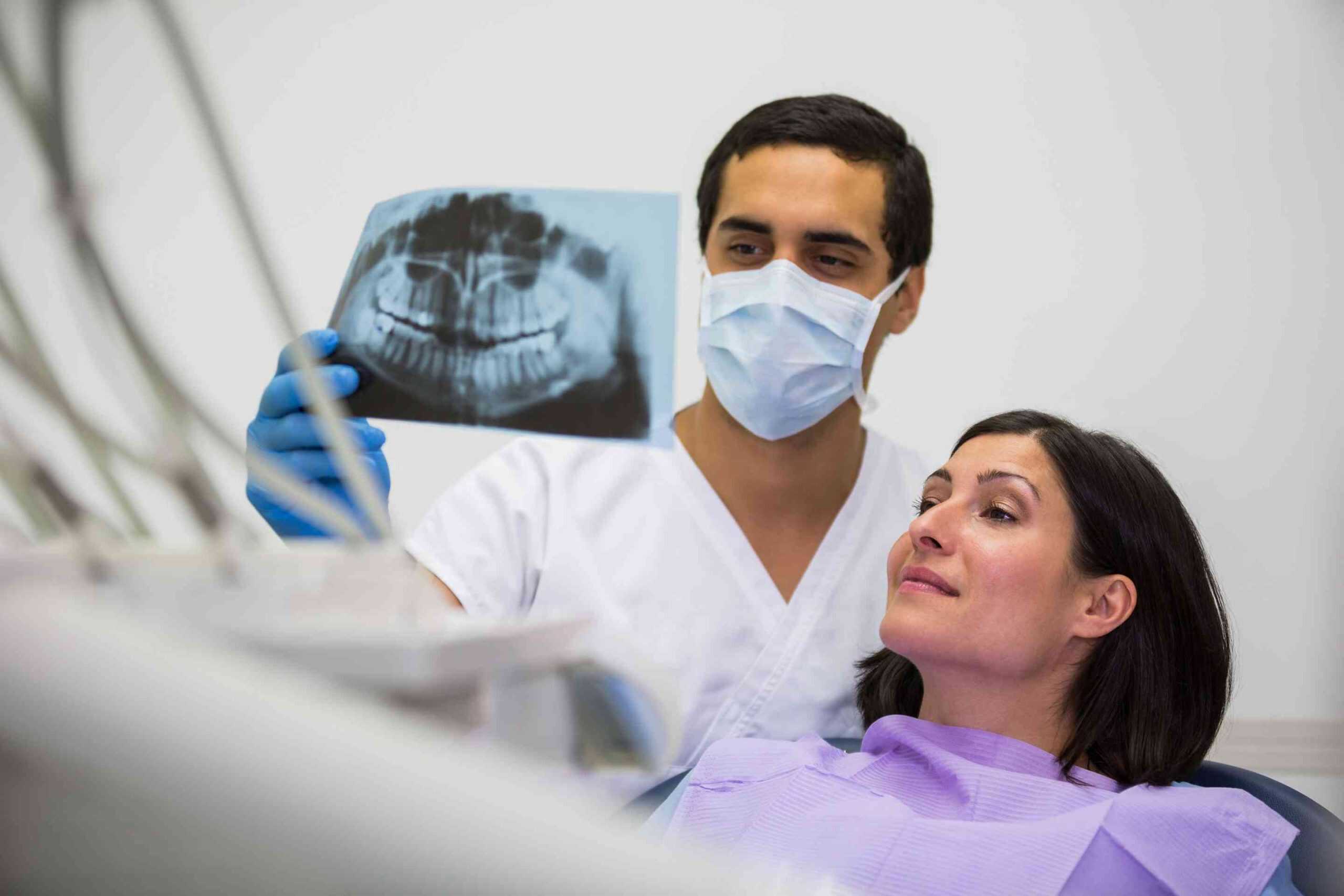
Many patients are told they cannot get dental implants due to bone loss, but that is no longer true. Bone loss in the jaw commonly occurs after tooth extraction, periodontal disease, or long‑term tooth loss, and it has traditionally been a barrier to implant placement. Without enough bone, implants lack the foundation they need to fuse securely and last.
For years, that meant patients with bone loss were left with limited options: dentures, bridges, or simply living with missing teeth. But modern implant dentistry has changed that reality.
How Technology Changed the Game
Advances in oral surgery and implant dentistry now allow patients with reduced bone density to successfully receive implants. Key innovations include:
-
3‑D cone beam CT (CBCT) imaging: Provides a detailed, three‑dimensional view of your jawbone, sinuses, and nerves. This level of precision was not available a decade ago.
-
Computer‑guided surgery: Allows us to plan implant placement virtually and transfer that plan to the operating room with sub‑millimeter accuracy.
-
Specialized implant techniques: Shorter implants, angled implants, and narrow‑diameter implants are designed specifically for cases where bone volume is limited.
These technologies and techniques have made implant placement possible even in cases that were once considered too complex.
How We Evaluate Bone Loss at Central Park Oral Surgery
At Central Park Oral Surgery, we begin with a thorough, technology‑driven evaluation.
-
Advanced 3‑D imaging: We use CBCT scans to capture precise images of your jawbone, sinuses, and surrounding structures.
-
Bone volume and density analysis: This allows us to measure exactly how much bone is available and identify the safest, most effective placement sites.
-
Personalized planning; Every treatment plan is tailored to your unique anatomy and goals. No two cases are the same.
Led by Dr. Andrei Mark, an experienced oral surgeon with decades of expertise, we use this data to develop a roadmap for your implant treatment, whether that involves a simple implant placement or a combination of preparatory procedures.
Modern Techniques That Make Implants Possible
Depending on your specific situation, we may use one or more of the following approaches:
-
Bone grafting: Rebuilds lost bone using your own bone, donor material, or synthetic grafts. After a healing period, the implant can be placed in a strong, healthy foundation.
-
Sinus lifts: For upper jaw implants, we gently lift the sinus membrane and add bone graft material to increase vertical height.
-
Shorter or angled implants: Designed specifically for limited bone volume, these implants can often avoid the need for grafting altogether.
-
Guided implant placement: Using computer‑guided surgery, we place implants with exceptional precision, maximizing contact with available bone and minimizing trauma.
Each of these techniques is performed with advanced imaging and careful planning to ensure predictability and long‑term success.
Why Bone Loss No Longer Means “No Implants”
Our goal is simple: to help you achieve a stable, long‑lasting dental implant even when bone loss once seemed like an insurmountable barrier. With modern surgical techniques, careful planning, and a commitment to patient‑centered care, we turn what was once a “no” into a confident “yes.”
Whether you have been living with missing teeth for years or were recently told you are not a candidate for implants, we invite you to experience the difference that advanced implant dentistry can make. A comprehensive evaluation is the first step toward a permanent, natural‑looking restoration, regardless of your bone health history.
Why Bone Loss Occurs After Tooth Loss
Bone loss in the jaw begins soon after a tooth is lost. The jawbone relies on the natural stimulation provided by tooth roots during chewing to maintain its density and shape. When a tooth is removed or lost, that stimulation stops, and the body begins to resorb (break down) the bone in that area. This process, known as bone resorption, can progress quickly, often within the first year after extraction, and continues over time without intervention.
Common Causes of Bone Loss
-
Missing teeth for long periods: The longer a tooth is absent, the more bone volume is lost. Multiple missing teeth accelerate the process.
-
Gum disease (periodontitis): Chronic inflammation destroys the supporting bone around teeth, often leading to tooth loss and significant bone deficiency.
-
Trauma or injury: Facial injuries can fracture the jawbone or disrupt blood supply, causing localized bone loss.
-
Long‑term denture use: Dentures rest on the gums without providing the bone‑stimulating forces of natural tooth roots. Over time, this can lead to gradual, widespread bone loss.
How Bone Loss Affects Your Smile and Health
When bone loss occurs, the jaw becomes weaker and may not initially support a dental implant without additional treatment. But the effects go beyond implant candidacy:
-
Changes in facial structure: Bone loss can lead to a sunken appearance in the cheeks and lips, prematurely aging the face.
-
Shifting of remaining teeth: Adjacent teeth may drift into the empty space, causing bite problems, crowding, and difficulty cleaning.
-
Difficulty with traditional restorations: Dentures may become loose and uncomfortable as the underlying bone shrinks.
Why Bone Loss Matters for Dental Implants
For an implant to be successful, it requires a stable foundation of healthy bone. The implant post must be surrounded by sufficient bone volume to fuse securely, a process called osseointegration. When significant bone loss has occurred, the implant cannot be placed safely without first rebuilding the bone.
Fortunately, bone loss no longer disqualifies patients from implant treatment. At Central Park Oral Surgery, we use advanced 3‑D imaging to precisely measure your bone volume and determine the best approach. Whether through bone grafting, sinus lifts, or specialized implant designs, we can restore the necessary foundation and help you achieve a permanent, stable tooth replacement.
How Bone Loss Affects Dental Implant Placement
Dental implants require a strong and stable jawbone for successful placement. The implant post must be surrounded by sufficient bone volume and density to fuse securely, a process called osseointegration. When bone quality is compromised, the foundation for the implant is weakened.
What Happens When Bone Density Is Reduced?
-
Insufficient bone height or width: Without enough bone, the implant cannot be placed at the correct depth or diameter, which compromises its stability.
-
Lack of primary stability: The implant may not be securely anchored at the time of placement, increasing the risk of movement during healing.
-
Higher risk of implant failure: Poor bone support can prevent proper osseointegration, leading to implant loosening or loss over time.
Why Proper Evaluation Is Critical
This is why a thorough evaluation before implant surgery is essential. At Central Park Oral Surgery, we use 3‑D cone beam CT (CBCT) imaging to assess:
-
Bone height, width, and density
-
Location of nerves, sinuses, and adjacent teeth
-
Overall jawbone health
This detailed information allows us to determine whether bone grafting or other preparatory procedures are needed to create a stable foundation.
Modern Solutions for Bone Loss
Even in cases of significant bone loss, modern techniques allow most patients to still qualify for implants. Options include:
-
Bone grafting to rebuild lost bone
-
Sinus lifts to increase bone height in the upper jaw
-
Shorter or angled implants that work with existing bone
With careful planning and advanced surgical techniques, we can overcome bone loss and deliver a durable, long‑lasting implant.
For a complete overview of how dental implants are placed, including the role of bone grafting and sinus lifts, visit our step-by-step guide on the dental implant procedure.
Bone Grafting Procedures for Implant Patients
Bone grafting is one of the most common and effective solutions for patients with bone loss. This procedure involves adding bone material to rebuild the jaw, restoring the volume and density needed to support dental implants safely and predictably.
Why Bone Grafting Is Necessary
When a tooth is lost, the surrounding jawbone begins to resorb (shrink) over time. If too much bone is lost, there may not be enough height or width to place an implant. Bone grafting reverses this process by providing a scaffold that stimulates the body to regenerate new, healthy bone.
Without adequate bone, an implant may lack stability, increasing the risk of failure. Bone grafting ensures that the foundation is strong enough for successful osseointegration, the fusion of the implant with the jawbone.
Types of Bone Grafting
Depending on the extent of bone loss and the location of the missing tooth, your oral surgeon may recommend one of the following:
-
Minor grafts: Used for small areas of bone loss, often performed at the same time as implant placement. These grafts add just enough volume to secure the implant.
-
Advanced grafting; For larger defects, such as after multiple tooth extractions or significant bone loss due to periodontal disease. These procedures may require a separate healing phase before implants can be placed.
-
Socket preservation: Performed immediately after a tooth extraction to fill the empty socket with graft material. This prevents the bone from collapsing and preserves the ridge for future implant placement.
-
Ridge augmentation: Used when the jawbone has become too narrow or flat to support an implant. The graft rebuilds the bone contour to the ideal shape and width.
Types of Graft Materials
Several types of graft materials are available, and your surgeon will select the one best suited to your case:
-
Autograft: Bone taken from another area of your own body, such as the chin or back of the jaw. This option provides excellent healing potential but requires an additional surgical site.
-
Allograft: Donor bone sourced from a tissue bank, processed for safety and sterility.
-
Xenograft: Bone derived from animal sources (typically bovine) that acts as a scaffold for your body’s own bone cells.
-
Synthetic graft: Lab‑made materials that mimic natural bone and stimulate regeneration.
Healing Timeline
After bone grafting, a healing period is required to allow the graft to integrate with your natural bone. The timeline varies based on the type and extent of the graft:
-
Minor grafts with immediate implant placement: Implant can often be placed during the same surgery.
-
Socket preservation or minor ridge grafts: Typically 4–6 months of healing before implant placement.
-
Advanced grafting or sinus lifts: Usually requires 6–9 months of healing to ensure adequate bone formation.
During this time, the graft material fuses with your existing bone, creating a dense, vascularized foundation capable of supporting an implant for decades.
Bone Grafting and Long‑Term Implant Success
Bone grafting does more than just enable implant placement, it also improves long‑term outcomes. A well‑structured graft ensures:
-
Optimal implant positioning for aesthetics and function
-
Increased primary stability at the time of surgery
-
Reduced risk of complications such as implant mobility or peri‑implantitis
At Central Park Oral Surgery, we use advanced 3‑D imaging and guided surgery techniques to plan and execute bone grafting with precision. Whether you need a simple socket preservation or a complex ridge augmentation, we tailor the approach to your unique anatomy and goals.
For detailed information on what to expect during the healing process, see our guide on dental implant recovery time.
Sinus Lift Procedures
In the upper jaw, bone loss often occurs near the sinus cavity. The maxillary sinuses are air‑filled spaces located above the upper back teeth. When teeth are missing in this area, the bone that once surrounded them can shrink, leaving insufficient vertical height to safely place a dental implant. In these cases, a sinus lift procedure, also called sinus augmentation, may be required.
What Is a Sinus Lift?
A sinus lift is a specialized bone grafting procedure that increases bone height in the upper jaw. It involves:
-
Gently lifting the sinus membrane; The thin membrane lining the sinus is carefully elevated away from the bone.
-
Adding bone graft material: The space created beneath the membrane is filled with bone graft material.
-
Creating sufficient height for implant placement: Over time, the graft fuses with the existing bone, creating enough vertical dimension to support a dental implant.
This procedure is commonly performed for implants replacing the premolars and molars, the back teeth where the sinus cavity is closest to the jawbone.
Why a Sinus Lift May Be Necessary
Without adequate bone height, an implant placed in the upper back jaw could protrude into the sinus cavity, leading to complications such as infection or implant failure. A sinus lift addresses this by building up the bone foundation, allowing the implant to be placed safely and securely.
Sinus lifts are often recommended when:
-
Bone height is less than 5–6 millimeters: Insufficient bone to support a standard implant.
-
Pneumatization has occurred: The sinus cavity has expanded downward after tooth loss, reducing bone volume.
-
Multiple implants are needed: For cases involving several upper back teeth or a full‑arch restoration.
Types of Sinus Lift Procedures
There are two main approaches to sinus augmentation, depending on the amount of bone available at the time of surgery.
Lateral Window Sinus Lift
This approach is used when bone height is severely limited. A small opening is made in the side of the sinus wall, the membrane is lifted, and graft material is placed. This technique typically requires a healing period of 6 to 9 months before implants can be placed.
Osteotome (Internal) Sinus Lift
When moderate bone height remains, this less invasive approach can be performed at the same time as implant placement. The sinus membrane is gently elevated through the implant site, graft material is added, and the implant is placed immediately. This option reduces overall treatment time.
The Procedure and Recovery
Sinus lift surgery is performed using local anesthesia, with sedation options available for patient comfort. Your oral surgeon will use advanced 3‑D imaging (CBCT) to plan the procedure with precision, ensuring the sinus membrane is handled safely and the graft material is placed accurately.
Healing Timeline
-
Healing period: 4 to 9 months, depending on the type of lift and the extent of grafting.
-
Graft maturation: During this time, the bone graft fuses with your natural bone, creating a solid foundation.
-
Implant placement: Once healing is complete, the implant can be placed in a second procedure, or, in the case of an internal sinus lift, implants may be placed during the same surgery.
Success Rates and Long‑Term Outcomes
Sinus lifts are highly predictable when performed by experienced oral surgeons. Success rates for sinus augmentation are consistently high, with studies showing 95% or greater implant survival when proper protocols are followed.
At Central Park Oral Surgery, we combine advanced 3‑D imaging, computer‑guided planning, and decades of surgical experience to perform sinus lifts safely and effectively. Our goal is to ensure that even patients with significant bone loss in the upper jaw can enjoy the benefits of permanent, stable dental implants.
For more information on what to expect during healing and how to care for your implants after surgery, read our full guide on dental implant recovery time.
Alternative Implant Techniques for Patients With Bone Loss
For patients who want to avoid grafting or need faster solutions, alternative implant methods may be considered. These techniques allow implants to be placed using available bone without extensive reconstruction, significantly reducing treatment time and often eliminating the need for separate grafting procedures.
At Central Park Oral Surgery, we evaluate each patient’s anatomy and goals to determine whether one of these advanced approaches is the right fit.
Angled Implants (All‑on‑4® and All‑on‑X)
The All‑on‑4® concept uses strategically placed implants, often angled, to maximize contact with existing bone. This technique is designed for patients who need to replace an entire arch of teeth but have limited bone volume, especially in the upper jaw.
-
How it works: Two implants are placed in the front of the jaw where bone is typically denser, and two are placed at an angle toward the back, allowing the use of longer implants that avoid the sinus cavities or nerve canals.
-
Benefits: Avoids bone grafting in many cases; a fixed temporary restoration can often be attached the same day, providing immediate function and aesthetics.
-
Who it’s for: Patients missing most or all teeth in one arch who have moderate bone loss but want a predictable, graft‑free solution.
Zygomatic Implants
For patients with severe bone loss in the upper jaw, where even sinus lifts and bone grafting are not feasible, zygomatic implants offer a powerful alternative.
-
How it works: Instead of anchoring into the maxillary (upper jaw) bone, these longer implants are anchored into the zygomatic bone (cheekbone), which provides exceptional stability even when the upper jaw has resorbed significantly.
-
Benefits: Eliminates the need for extensive bone grafting; often allows for immediate loading (placement of a fixed restoration on the same day).
-
Who it’s for: Patients with advanced bone loss in the upper jaw who have been told they are not candidates for conventional implants or grafting.
Zygomatic implants are a highly specialized procedure requiring advanced training and surgical expertise. At Central Park Oral Surgery, Dr. Andrei Mark has extensive experience with these complex cases, providing a permanent solution where other options may have failed.
Mini Implants
Mini implants (narrow‑diameter implants) are smaller than traditional implants and can sometimes be placed in areas with limited bone width.
-
How it works: Mini implants are placed through a less invasive approach, often in a single procedure without the need for grafting.
-
Benefits: Faster placement, lower cost, and immediate loading may be possible for stabilizing dentures.
-
Who it’s for: Patients with minimal bone loss who need to stabilize a removable denture or replace a small single tooth. They are generally not recommended for larger spans or where full chewing force is required, as they are less robust than standard‑diameter implants.
Choosing the Right Approach
Each of these alternative techniques offers a pathway to implant‑supported teeth for patients who might otherwise be told they are not candidates. The decision depends on:
-
The location and severity of bone loss
-
The number of teeth being replaced
-
Your overall health and healing capacity
-
Your goals for treatment timeline and outcome
At Central Park Oral Surgery, we use advanced 3‑D imaging and computer‑guided planning to evaluate your bone structure and determine which method will deliver the safest, most predictable result.
For patients seeking a faster path to tooth replacement, explore our overview of same day dental implants in NYC.
How Oral Surgeons Evaluate Bone Density
Before recommending treatment, oral surgeons use advanced diagnostics to evaluate bone structure.
At Central Park Oral Surgery, this includes:
- CBCT (3D imaging) for precise bone mapping
- Assessment of bone height, width, and density
- Identification of nerves and sinus position
This evaluation determines whether you need:
- Direct implant placement
- Bone grafting
- Sinus lift
- Alternative implant techniques
Accurate planning is key to long-term implant success.
Treatment Planning for Complex Implant Cases
Every case of bone loss is different. That’s why treatment planning is fully customized.
Your plan may include:
- Staged treatment (grafting → healing → implants)
- Immediate implant placement (if conditions allow)
- Combination of grafting and implants
The goal is always the same:
✔ Stable implant placement
✔ Long-term function
✔ Natural-looking results
Dental Implant Treatment in New York City
Patients looking for dental implants in New York City usually want two things: an experienced specialist and the latest surgical technology.
At Central Park Oral Surgery, Dr. Andrei Mark brings both. He performs dental implant and oral surgery procedures for patients throughout Manhattan and the surrounding area. Our practice relies on advanced imaging and surgical planning to make sure every implant is placed safely and predictably.
If you’re curious about how we approach implant treatment, you can learn more here:
Dental Implants in NYC at Central Park Oral Surgery
Consultation With an Oral Surgeon
If you’ve been told you don’t have enough bone for dental implants, a consultation can give you a clearer picture of your options.
At Central Park Oral Surgery, we provide:
Let’s explore what’s possible for your smile.
📍 Location: 515 Madison Avenue, New York, NY
📞 Call: 212.813.0707


