Dental Implants vs Dentures NYC: Which Is the Better Tooth Replacement
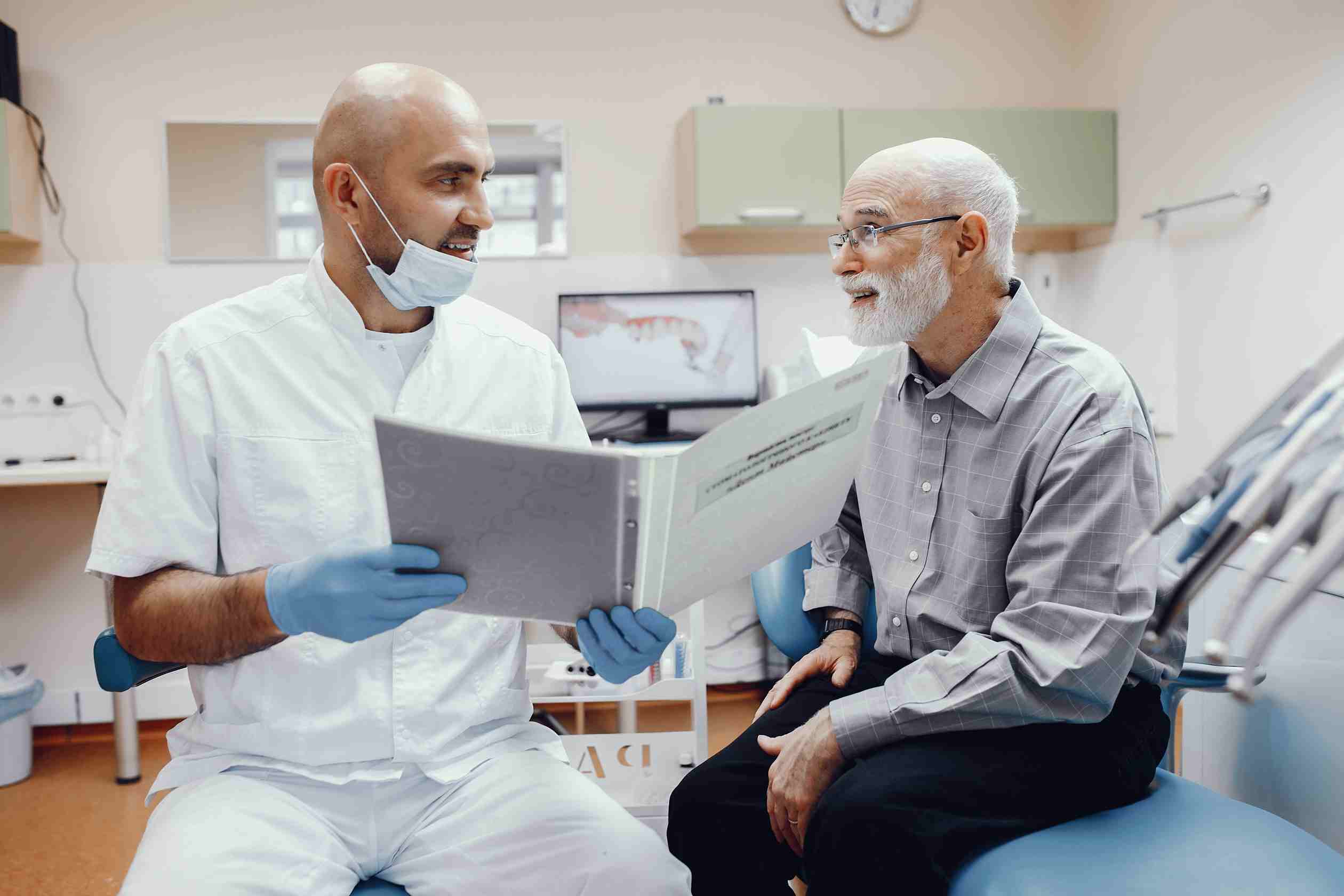
When it comes to replacing missing teeth, patients often find themselves choosing between dental implants and dentures. Both options have helped millions restore their ability to eat, speak, and smile with confidence. However, they are fundamentally different in how they function, how they feel, and how they impact your long‑term oral health.
The Two Main Options
Dentures have long been a common solution. They offer a removable, non‑surgical way to replace multiple or all missing teeth. Dentures are accessible and can be fabricated relatively quickly.
But many patients find that dentures come with challenges:
-
Slippage during eating and speaking
-
The need for adhesives to stay in place
-
Gradual loss of jawbone because natural tooth roots are missing
Dental implants provide a permanent, surgically placed replacement for the tooth root. They are designed to fuse with your jawbone through a process called osseointegration.
Implants offer:
-
Stability that feels and functions like natural teeth
-
Preservation of bone structure and facial contours
-
A restoration that can last a lifetime with proper care
Making the Right Choice
Choosing between implants and dentures is not simply a matter of cost or convenience. It’s about your lifestyle, oral health, and long‑term goals.
At Central Park Oral Surgery, we take the time to understand your unique situation and help you make an informed decision. Whether you are missing one tooth or considering a full‑arch restoration, we provide clear guidance and expert care to restore your smile with confidence.
For a complete overview of how dental implants work from start to finish, explore our detailed guide on dental implants in NYC.
Understanding Traditional Dentures
Traditional dentures are removable appliances that replace missing teeth. They are custom‑designed to fit your mouth and mimic the look of natural teeth. Dentures are typically made from acrylic resin, sometimes combined with metal components for added support and reinforcement.
Dentures can be used to replace a few missing teeth (partial dentures) or an entire arch of teeth (complete dentures). They rest on the gums and rely on suction, adhesive, or natural contours of the mouth to stay in place.
Pros of Dentures
-
Non‑invasive: Dentures do not require surgery to be fitted. For patients who are not candidates for surgery or prefer to avoid it, dentures offer a straightforward alternative.
-
Affordable upfront: The initial cost of dentures is generally lower than dental implants, making them a more accessible option for many patients.
-
Easy to remove and clean: Because dentures are removable, they can be taken out for thorough cleaning, which simplifies oral hygiene.
-
Quick fabrication: In many cases, dentures can be created and placed within a few weeks, allowing for faster restoration of your smile.
Cons of Dentures
-
Slipping and shifting: Dentures can move or shift during eating, speaking, or laughing, which can cause discomfort or embarrassment. Adhesives are often needed to improve stability.
-
Frequent adjustments: Over time, the underlying bone and gums can shrink, causing dentures to become loose. This often requires relining, rebasing, or replacement every few years.
-
Dietary limitations: Hard, sticky, or crunchy foods can be difficult to eat with dentures. Many patients find they must avoid certain foods to prevent discomfort or damage to the appliance.
-
Bone loss: Because dentures do not stimulate the jawbone, they do not prevent the natural bone resorption that occurs after tooth loss. Over time, this can lead to a sunken facial appearance and further looseness.
-
Potential for sore spots: Pressure points from dentures can cause irritation, sores, or inflammation on the gums, especially if the fit is not precise.
While dentures are a practical solution for many, particularly those seeking a non‑surgical, lower‑cost option, they do not provide the stability, bone preservation, or long‑term permanence that dental implants offer. For patients who value comfort, function, and lasting results, implants may be the more suitable choice.
How Dental Implants Work
Dental implants are a more permanent solution for tooth replacement. They consist of a titanium post that is surgically placed into the jawbone, acting as a replacement tooth root. Over time, the post fuses with the bone in a process called osseointegration, providing a stable foundation for a crown, bridge, or even a denture.
This root‑like structure sets implants apart from traditional restorations. By mimicking the natural tooth root, implants preserve jawbone density and maintain facial structure, preventing the sunken appearance that can occur with long‑term denture use.
Advantages of Dental Implants
-
Stable and secure: Implants are anchored directly into the jawbone, so they do not shift, slip, or click when you eat, speak, or laugh. You can enjoy your favorite foods without worry.
-
Natural look and feel: The crown is custom‑designed to match the color, shape, and size of your natural teeth. Because implants are fixed in place, they feel and function like real teeth.
-
Long‑lasting: With proper care, the titanium implant post can last a lifetime. The crown may eventually need replacement after many years of normal wear, but the foundation remains intact.
-
Preserves bone health: The stimulation provided by the implant post prevents the jawbone from resorbing (shrinking), which helps maintain facial contours and the health of adjacent teeth.
-
No impact on adjacent teeth: Unlike traditional bridges, implants do not require grinding down healthy neighboring teeth. Your natural teeth remain untouched.
With proper care, the implant post can last a lifetime. To learn more about what affects implant durability and how to protect your investment, read our article on how long dental implants last.
The Implant Process
The implant procedure typically requires several stages, each carefully planned for success:
-
Consultation and imaging: Advanced 3‑D CBCT scans are used to evaluate bone density and map out the ideal implant position.
-
Implant placement: The titanium post is surgically placed into the jawbone under local anesthesia or sedation.
-
Healing and osseointegration: A healing period of 3 to 6 months allows the implant to bond with the bone.
-
Abutment and crown placement: Once healed, an abutment is attached, and a custom‑made crown is placed, completing the restoration.
While the process takes longer than getting dentures, the long‑term benefits are often well worth the wait. Many patients find that the stability, comfort, and durability of implants make them a superior investment in their oral health.
For a detailed walkthrough of the implant journey, visit our page on the dental implant procedure.
Comparing Stability and Comfort
One of the key differences between dental implants and dentures is how they feel and function in your mouth. Dental implants provide a fixed, permanent solution that is securely anchored into the jawbone. Because the implant post fuses with the bone through osseointegration, it becomes a stable foundation that does not move or shift.
With implants, you can eat, speak, and smile with complete confidence. There is no need to worry about slippage, clicking sounds, or the embarrassment that can sometimes come with removable dentures. Implants allow you to bite into an apple or enjoy a steak without hesitation, just as you would with natural teeth.
How Dentures Compare
Dentures, on the other hand, rest on the gums and rely on suction, adhesives, or the natural contours of the mouth to stay in place. While modern dentures are custom‑made for a comfortable fit, they can still slip or shift, especially if:
-
The dentures are not fitted properly
-
Your jawbone and gums have changed shape over time due to bone resorption
-
You are eating sticky, tough, or hard foods
-
You laugh, cough, or speak with sudden movements
These movements can cause sore spots, irritation, and difficulty eating certain foods. Many denture wearers rely on adhesives to improve stability, but even then, some foods remain challenging.
Impact on Daily Life
Implants
-
Allow you to eat a full range of foods without restrictions
-
Provide a natural biting force similar to natural teeth
-
Eliminate the need for adhesives or daily removal
-
Feel like part of your mouth, no second thought during conversation or laughter
Dentures
-
May require dietary adjustments (avoiding tough meats, sticky candies, crunchy vegetables)
-
Often require adhesive to stay secure
-
Need to be removed nightly for cleaning and to give gums a rest
-
May require periodic relining or replacement as the mouth changes shape
Long‑Term Comfort
Because implants are fixed and stimulate the jawbone, they also help preserve the bone structure that supports facial contours. This prevents the gradual sinking of facial features that can occur with long‑term denture use. Denture wearers may experience changes in fit over time as bone resorption alters the shape of the jaw, leading to a cycle of adjustments and, sometimes, reduced comfort.
For patients who prioritize stability, freedom from adhesives, and a natural feel, implants offer a clear advantage. However, for those who prefer a non‑surgical, more budget‑friendly option, modern dentures remain a practical choice. Understanding these differences helps you make an informed decision based on your lifestyle and long‑term goals.
Comparing Long-Term Costs
When comparing dental implants to dentures, the initial investment for implants is often higher. However, it’s important to look beyond the upfront price and consider the long‑term value. Implants are designed as a permanent solution, while dentures typically require ongoing adjustments, replacements, and additional maintenance over time.
Dentures: A Cycle of Maintenance and Replacement
Dentures, though more affordable initially, are not a one‑time expense. Over the years, they often require:
-
Relining or rebasing: As the jawbone and gums change shape due to natural bone resorption, dentures can become loose. Relining adjusts the fit, but this needs to be repeated periodically.
-
Replacement: Even with careful use, dentures typically need to be replaced every 5 to 10 years, as the materials wear down or the fit becomes too compromised.
-
Adhesives and special cleaners: Many denture wearers rely on creams, powders, or adhesive strips to improve stability and comfort. These ongoing purchases add to the total cost of ownership.
-
Potential for repairs: Dentures can break, chip, or crack, requiring professional repairs.
Each of these adds both financial and time commitments over the life of the restoration.
Implants: Built for Permanence
Dental implants, in contrast, are designed to be a one‑time solution. The titanium implant post fuses with the jawbone and, with proper care, can last a lifetime. The crown attached to the implant may eventually need replacement after many years of normal wear, but this is a single restoration rather than a recurring cycle.
Because implants preserve the jawbone, they do not loosen over time. There are no adhesives, no nightly removal, and no special cleaning products beyond standard brushing and flossing. Routine dental check‑ups are the primary maintenance required, similar to caring for natural teeth.
The Value of Predictability
For many patients, the value of implants lies in their predictability and freedom. You can eat, speak, and smile without worrying about shifting, clicking, or the need for adhesives. There is no downtime for adjustments or the inconvenience of being without teeth while dentures are relined or replaced.
Dentures offer a valid solution, particularly for those who prefer a non‑surgical approach or have health considerations that make surgery less desirable. However, for patients seeking a long‑term, worry‑free restoration, the durability and stability of implants often make them the more economical and satisfying choice over a lifetime.
If you are weighing the long‑term benefits of implants versus dentures, we invite you to schedule a consultation. Our team will help you understand which option aligns best with your oral health goals and lifestyle.
If you’re weighing the upfront investment against long‑term value, we provide a detailed breakdown of typical pricing on our dental implant cost in NYC page.
Impact on Jawbone Health
One of the most significant advantages of dental implants over dentures is their effect on jawbone health. When a tooth is lost, the jawbone in that area begins to deteriorate because it no longer receives the stimulation normally provided by the tooth root. This process, known as bone resorption, can occur rapidly in the first year after tooth loss and continue gradually over time.
Dental implants prevent this bone loss by integrating with the jawbone and stimulating it just like a natural tooth. The titanium implant post mimics the function of a natural root, signaling the body to maintain bone density and structure. This not only keeps the jaw strong but also helps preserve facial contours, preventing the sunken appearance that can develop over time with missing teeth.
In contrast, dentures do not stimulate the bone. They rest on the gums and provide no active support to the underlying jaw. As bone loss progresses, dentures may become loose, requiring frequent relining or replacement. Over many years, significant bone loss can alter facial shape, affect the fit of dentures, and even make it more difficult to transition to implants later on if desired.
By preserving the jawbone, dental implants offer a long‑term solution that supports both oral health and overall facial structure.
Which Option Is Best for Different Patients
Choosing between dental implants and dentures is a personal decision that depends on your oral health, lifestyle, and long‑term goals. There is no one‑size‑fits‑all answer, what works best for one patient may not be the ideal choice for another.
Dental Implants May Be Best If:
-
You are looking for a permanent, long‑term solution that feels and functions like natural teeth.
-
You have sufficient jawbone density to support an implant, or are willing to undergo bone grafting to build it.
-
You want to preserve bone structure and prevent the facial changes that can occur with bone loss.
-
You prefer a fixed restoration that does not require adhesives, nightly removal, or frequent adjustments.
-
You are in good overall health and are a candidate for oral surgery.
Implants are ideal for patients who value stability, durability, and a restoration that integrates with their natural anatomy.
Dentures May Be a Better Option If:
-
You are seeking a non‑surgical, more affordable solution for replacing multiple or all missing teeth.
-
You have significant bone loss and prefer not to undergo bone grafting or other preparatory procedures.
-
You have medical conditions that make surgery higher risk.
-
You are comfortable with a removable restoration and are willing to manage the maintenance and adjustments that come with it.
Modern dentures have improved significantly in fit and appearance, and for many patients, they offer a practical and satisfying solution.
How We Help You Decide
At Central Park Oral Surgery, we believe that an informed decision is the best decision. During your consultation, our team will:
-
Review your medical and dental history
-
Perform a thorough oral examination
-
Use advanced 3‑D imaging to assess bone structure and oral anatomy
-
Discuss your goals, lifestyle, and budget
Based on this information, we will help you understand which option aligns best with your specific needs. If implants are recommended but bone loss is a concern, we can explain how grafting or alternative implant techniques may make implants possible. If dentures are the better fit, we will guide you toward the most comfortable, well‑fitting restoration available.
Your smile is unique, and your treatment plan should be too. We are here to provide the clarity, expertise, and support you need to move forward with confidence.
Consultation With an Oral Surgeon
To determine the best tooth replacement option for you, it’s essential to consult with a qualified oral surgeon. At Central Park Oral Surgery, Dr. Andrei Mark and his team will assess your oral health, listen to your goals, and create a personalized treatment plan designed for your unique needs.
If you’re considering dental implants or dentures in NYC, we provide comprehensive consultations to guide you through every step of the decision‑making process.
Book a Consultation with Dr. Andrei Mark
If you’re looking for expert care from a highly experienced oral surgeon in Midtown Manhattan, Dr. Andrei Mark is now accepting new patients. To schedule your personal consultation:
📍 Location: 515 Madison Avenue, New York, NY
📞 Call: 212.813.0707
Whether you need a second opinion or are ready to move forward with treatment, Dr. Andrei Mark is here to provide expert care and exceptional results in a professional, patient‑focused environment.


