Wisdom Teeth Removal Recovery NYC: Healing Timeline
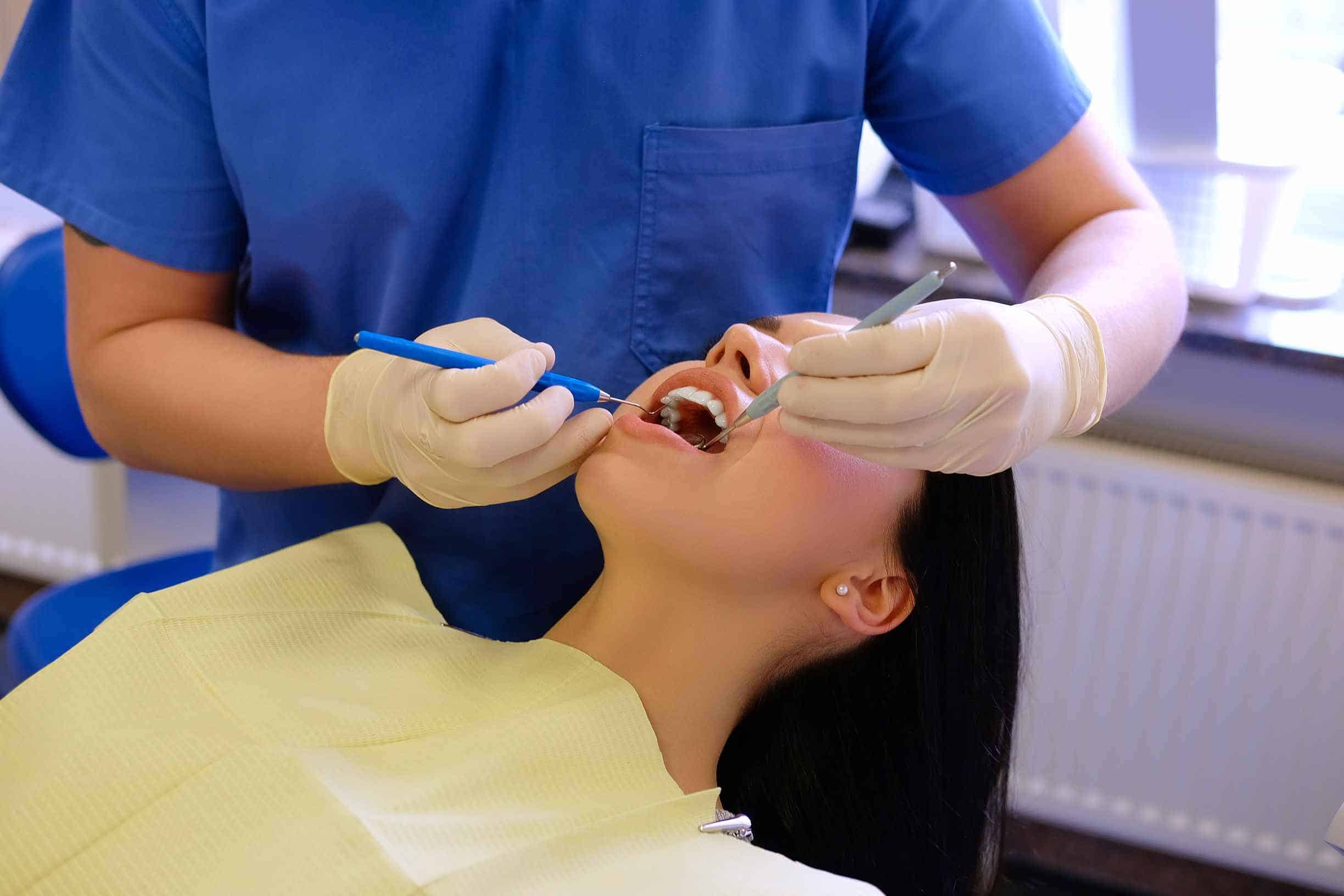
Recovering from wisdom teeth removal is a crucial part of the process, and understanding wisdom teeth removal recovery NYC can help ensure a smooth and effective healing experience. Proper aftercare not only reduces discomfort but also lowers the risk of complications such as dry socket, infection, or delayed healing. At Central Park Oral Surgery, we prioritize your comfort and recovery, providing clear guidance so you know exactly how to care for yourself after surgery.
This guide walks you through the complete healing timeline for wisdom teeth removal recovery, from the first 24 hours through the first week and beyond. You’ll learn how to manage swelling and pain, what foods are safe to eat, when you can return to normal activities, and which symptoms should prompt a call to your oral surgeon. Our goal is to help you feel prepared and confident as you heal, with the support of a dedicated team that’s here for you every step of the way.
First 24 Hours After Surgery: The Foundation of Wisdom Teeth Removal Recovery
The first 24 hours after wisdom teeth removal are critical for proper healing. During this period, your body begins forming a protective blood clot in the extraction sockets, which is essential for tissue regeneration and preventing dry socket. You may experience some discomfort, swelling, and minor bleeding as part of the normal healing process. Following these guidelines will help manage symptoms effectively and set the stage for a smooth wisdom teeth removal recovery.
Rest and Activity
-
Prioritize rest: Give your body time to focus its energy on healing. Avoid any strenuous activity, heavy lifting, or bending over, as these can increase blood pressure and lead to renewed bleeding or swelling.
-
Keep your head elevated: When resting or sleeping, prop your head up with an extra pillow. This helps reduce swelling and minimizes the risk of excessive bleeding.
Cold Compress for Swelling
-
Apply ice packs: Place a cold compress or ice pack wrapped in a cloth on the outside of your face near the extraction sites. Use it for 20 minutes on, then 20 minutes off during the first 24 hours. This constricts blood vessels, reduces swelling, and provides natural pain relief.
-
Continue as needed: After the first day, you may switch to warm compresses if swelling persists, but cold therapy is most effective in the immediate post‑operative period.
Bleeding and Blood Clot Protection
-
Gauze placement: Your oral surgeon will place gauze over the extraction sites. Bite down gently but firmly to apply pressure and control bleeding. Change the gauze as instructed, typically every 30–45 minutes until bleeding subsides.
-
Do not rinse, spit, or use straws: Avoid vigorous rinsing, spitting, or using straws during the first 24 hours. The suction and pressure can dislodge the critical blood clot that forms in the socket, leading to dry socket, a painful condition that delays healing.
-
Swallow saliva: If you notice slight oozing, swallow your saliva rather than spitting it out. This helps maintain clot stability.
Pain Management
-
Take medications as directed: Your oral surgeon may prescribe pain medication or recommend over‑the‑counter options like ibuprofen or acetaminophen. Start taking them before the local anesthesia wears off to stay ahead of discomfort.
-
Follow dosage instructions: Stick to the prescribed dosage and timing. Do not take additional medication without consulting your surgeon.
Eating and Drinking
-
Stick to cold, soft foods: For the first day, consume only cold liquids and soft foods such as yogurt, smoothies, apple sauce, or broth. Cold foods help soothe the surgical sites and reduce swelling.
-
Avoid hot foods and beverages: Heat can increase blood flow to the area and worsen swelling. Avoid hot foods, coffee, and tea for the first 24 hours.
-
Stay hydrated: Drink plenty of water, but sip slowly and avoid straws.
Oral Hygiene
-
Do not brush near the surgical sites: For the first 24 hours, avoid brushing the areas where teeth were removed. You may gently brush your other teeth, taking care not to disturb the extraction sites.
-
No vigorous rinsing: Do not rinse your mouth with anything during this period. Your surgeon will instruct you when to begin gentle saltwater rinses, typically after the first day.
Following these instructions will help minimize swelling, control discomfort, and prevent complications in the early stages of your wisdom teeth removal recovery. If you experience excessive bleeding, severe pain not relieved by medication, or any signs of an allergic reaction, contact your oral surgeon immediately.
For more detailed recovery guidance beyond the first day, continue reading the next sections on the first week and beyond.
Swelling and Pain During the First Week of Wisdom Teeth Removal Recovery
Swelling and mild discomfort are normal during the first week of recovery. Understanding the typical timeline and how to manage these symptoms can help you feel more prepared and reduce unnecessary worry. While every patient heals at a slightly different pace, the following patterns are common.
Swelling: What to Expect and How to Manage
-
Peak swelling at 48–72 hours: Swelling typically increases during the first two days after surgery, reaching its peak between 48 and 72 hours. This is a normal inflammatory response as your body sends blood flow and healing cells to the surgical sites.
-
Gradual improvement after day three: By day three or four, swelling begins to subside. Most patients notice significant improvement by day five or six, with residual swelling usually resolved within 7 to 10 days.
-
Ice for the first 48 hours: Apply ice packs to the outside of your face in 20‑minute intervals during the first 48 hours. This helps minimize the peak of swelling and provides natural pain relief.
-
Switch to warm compresses after 48 hours: After the initial two days, switching to warm, moist compresses can help increase blood flow to the area, promoting healing and reducing lingering stiffness.
Pain Management
-
Peak discomfort in the first 3–4 days: Most patients experience the most noticeable discomfort during the first three to four days after surgery. This is when the anesthetic has fully worn off and the body is actively healing.
-
Medication options: Your oral surgeon will prescribe or recommend appropriate pain relief. This may include prescription pain medication for the first few days, followed by over‑the‑counter options such as ibuprofen or acetaminophen.
-
Stay ahead of the pain; Take pain medication as directed, especially during the first 24–48 hours. Staying on schedule helps prevent discomfort from escalating and allows you to rest more comfortably.
-
Pain should steadily decrease: By day five, most patients report that pain is mild and can be managed with over‑the‑counter medication. If pain worsens after the third or fourth day, or if it becomes severe and unresponsive to medication, contact your oral surgeon, as this may indicate a complication such as dry socket.
Bruising
-
Common around the jaw: Some patients develop bruising on the skin of the jaw, chin, or neck following wisdom teeth removal. This is caused by minor bleeding under the skin during surgery and is usually harmless.
-
Timing: Bruising may not appear immediately; it can take a day or two to develop. It often fades through shades of purple, green, and yellow before resolving.
-
Healing time: Bruising typically resolves on its own within 7 to 10 days. Warm compresses after the first 48 hours can help speed up the process.
General Tips for a Smooth First Week
-
Follow dietary guidelines: Continue eating soft, cool foods for the first several days. Avoid hot, spicy, crunchy, or hard foods that could irritate the surgical sites.
-
Maintain gentle oral hygiene: After the first 24 hours, begin gentle saltwater rinses (one teaspoon of salt in a cup of warm water) two to three times a day, especially after meals. Do not swish vigorously; simply let the water move gently over the area.
-
Avoid smoking and tobacco: Smoking significantly delays healing and increases the risk of dry socket and infection. Refrain from tobacco use for at least the first week, and ideally throughout the entire healing period.
-
Rest and take it easy: Even if you feel better by day three or four, avoid strenuous physical activity for the first week to prevent bleeding or swelling from recurring.
When to Contact Your Oral Surgeon
While swelling and mild discomfort are expected, you should contact your surgeon if you experience:
-
Severe pain that does not improve with medication
-
Swelling that worsens after three days or spreads to the neck or eyes
-
Fever over 101°F (38.3°C)
-
Bleeding that continues or returns after the first 24 hours
-
Signs of infection such as pus, foul taste, or persistent bad breath
By following your post‑operative instructions carefully and understanding the normal progression of healing, you can manage swelling and pain effectively and focus on a smooth, uneventful wisdom teeth removal recovery.
Foods to Eat After Wisdom Teeth Removal: Essential for Recovery
The foods you eat during recovery play a significant role in the healing process. A proper diet helps reduce irritation, supports tissue repair, and minimizes the risk of complications such as dry socket or infection. For the first few days after wisdom teeth removal, stick to soft, cool, and nutrient‑dense foods that require minimal chewing.
Recommended Soft Foods
-
Mashed potatoes: Smooth, easy to swallow, and can be enriched with butter or broth for added calories.
-
Yogurt: Provides protein and probiotics; choose plain or smooth varieties without seeds or fruit chunks.
-
Smoothies: Blend fruits with milk, yogurt, or protein powder. Avoid using straws and skip seeds or nuts that could lodge in the sockets.
-
Applesauce: A gentle, easily digestible option that offers natural sweetness and vitamins.
-
Soup (cooled down): Broth‑based or creamy soups (like tomato or butternut squash) are nutritious and soothing. Avoid soups with large chunks or hot temperatures.
-
Scrambled eggs: Soft, high in protein, and easy to prepare.
-
Cottage cheese: Soft and protein‑rich; choose smooth varieties without large curds if sensitive.
-
Oatmeal or cream of wheat: Warm, soft cereals that are filling and easy to eat once cooled.
-
Pudding or custard; Smooth desserts that provide calories and comfort without chewing.
-
Jell‑O: Easy to swallow and soothing on the surgical sites.
-
Protein shakes: A convenient way to maintain nutrition when appetite is low.
Foods to Avoid
Certain foods can irritate the surgical sites, dislodge blood clots, or get trapped in the sockets, leading to infection or dry socket. Avoid the following during the early stages of recovery:
-
Hot foods and beverages: Heat can increase swelling and bleeding. Allow soups, coffee, or tea to cool to room temperature before consuming.
-
Crunchy or hard foods: Chips, nuts, crackers, popcorn, and hard bread can irritate or injure the healing tissue.
-
Spicy foods: Spices can cause irritation and increase discomfort.
-
Seeds and nuts: Small particles can become lodged in the extraction sockets and lead to infection.
-
Sticky foods: Caramels, gummy candies, or tough breads can pull on stitches or dislodge clots.
-
Alcohol: Alcohol can interfere with medications, increase bleeding, and delay healing.
-
Carbonated beverages: Sodas and sparkling water can cause discomfort and may increase the risk of dry socket.
Transitioning Back to a Regular Diet
As you begin to heal, typically after the first week, you can gradually reintroduce firmer foods. Start with soft, easy‑to‑chew options such as:
-
Well‑cooked pasta or rice
-
Soft bread or toast (without crusts)
-
Tender, shredded meats
-
Soft fruits like bananas or ripe melon
-
Steamed vegetables
Listen to your body. If chewing causes pain or if food becomes trapped in the sockets, return to soft foods for a few more days. Continue to avoid extremely hard, sticky, or crunchy items until your oral surgeon confirms that healing is complete.
Staying Hydrated
Proper hydration is just as important as nutrition. Drink plenty of water throughout the day to support tissue repair and overall recovery. Remember to avoid straws for at least one week, as the suction can dislodge the protective blood clot.
Why Nutrition Matters
A well‑planned diet not only keeps you comfortable but also provides the protein, vitamins, and minerals your body needs to heal efficiently. By choosing the right foods and avoiding those that can cause complications, you support a faster, smoother recovery and reduce the risk of setbacks.
If you have questions about specific foods or dietary restrictions during your wisdom teeth removal recovery, your oral surgeon’s office is happy to provide guidance tailored to your situation.
How Long Until Normal Activities Resume During Wisdom Teeth Removal Recovery
Most patients can return to normal activities within 3 to 7 days after wisdom teeth removal, depending on the complexity of the procedure and how well you follow your recovery instructions. However, the timeline varies based on factors such as the number of teeth removed, whether they were impacted, and your body’s natural healing response.
Returning to Work or School
-
Simple extractions: Patients who had fully erupted, non‑impacted wisdom teeth removed often feel well enough to return to work or school within 2 to 3 days, especially if only one or two teeth were extracted.
-
Surgical extractions (impacted teeth): For more complex cases involving impacted teeth, bone removal, or the removal of all four wisdom teeth, a recovery period of 5 to 7 days is more typical.
-
Listen to your body: Even if you feel ready to return earlier, it’s important to prioritize rest during the first few days. Returning too soon can prolong swelling and discomfort.
Physical Activity and Exercise
Strenuous activities should be avoided for an extended period to prevent complications such as bleeding, swelling, or disruption of the blood clot.
-
First 48 hours: Complete rest is recommended. Avoid any physical exertion, including bending over, heavy lifting, or cardiovascular exercise.
-
First week: Light activities such as walking are acceptable, but avoid anything that raises your heart rate significantly or causes straining.
-
2 to 3 weeks: More vigorous activities, such as heavy lifting, running, contact sports, or swimming, should be avoided for 2 to 3 weeks after surgery. These activities can increase blood pressure, dislodge the protective blood clot, and delay healing.
Why Activity Restrictions Matter
Engaging in strenuous activity too soon can:
-
Increase swelling: Elevated blood flow and heart rate can cause swelling to worsen rather than improve.
-
Cause bleeding: Physical exertion can dislodge the forming blood clot, leading to renewed bleeding or dry socket.
-
Delay healing: Rest allows your body to direct energy toward tissue repair. Pushing yourself too early can prolong recovery.
Returning to Sports or Contact Activities
For patients involved in sports, especially contact sports, extra caution is required. Even after the initial healing period, the surgical sites remain vulnerable for several weeks. Most oral surgeons recommend:
Your surgeon may also advise wearing a protective mouthguard if you are returning to contact activities.
Signs You May Be Pushing Too Hard
If you experience any of the following after resuming activity, you may need to scale back:
-
Renewed bleeding from the extraction sites
-
Increased pain or throbbing
-
Swelling that worsens after improving
-
A feeling of pressure or fullness in the surgical area
Follow Your Surgeon’s Guidance
Every patient heals differently, and your oral surgeon will provide personalized advice based on your procedure and overall health. Be sure to ask during your follow‑up appointment when it is safe to return to specific activities.
By respecting the healing timeline and limiting physical exertion as recommended, you can ensure a smooth wisdom teeth removal recovery and reduce the risk of complications.
Managing Pain and Swelling: Key to a Comfortable Recovery
Managing pain and swelling is key to a comfortable recovery. By following a few simple but effective strategies, you can reduce discomfort, minimize swelling, and support your body’s natural healing process.
Pain Relief
-
Over‑the‑counter options: Ibuprofen (Advil, Motrin) and acetaminophen (Tylenol) are commonly recommended for post‑surgical pain. Ibuprofen also helps reduce inflammation, making it particularly effective for swelling. Follow the dosage instructions provided by your oral surgeon or as listed on the package.
-
Prescription medications: If your oral surgeon prescribes a stronger pain reliever, take it exactly as directed. It is often best to take the first dose before the local anesthesia wears off to stay ahead of discomfort. Never exceed the recommended dose, and avoid alcohol while taking prescription pain medication.
-
Timing matters: For the first few days, take pain medication on a schedule rather than waiting for pain to become severe. Staying on a consistent schedule helps keep discomfort manageable and allows you to rest more effectively.
-
Transition to over‑the‑counter: As pain subsides, usually by day three or four, you can gradually switch to over‑the‑counter pain relievers as needed.
Ice and Heat Therapy
-
Cold compress (first 48 hours): Apply a cold pack or ice wrapped in a cloth to the outside of your face over the surgical area for 20 minutes on, then 20 minutes off. This helps constrict blood vessels, reducing swelling and providing natural pain relief. Continue this cycle throughout the first two days, especially during waking hours.
-
Warm compress (after 48 hours): After the first 48 hours, you can switch to a warm, moist compress. Heat increases blood flow to the area, which can help reduce stiffness, ease muscle soreness, and promote healing. Apply for 15–20 minutes at a time, several times a day as needed.
-
Never apply ice or heat directly to the skin: Always wrap the compress in a thin towel or cloth to protect your skin from frostbite or burns.
Keeping Your Head Elevated
-
Elevate while resting or sleeping: Prop your head up with two or three pillows to keep it higher than your heart. This position uses gravity to reduce blood flow to the surgical area, which helps minimize swelling and throbbing.
-
Continue for several nights: Even after the first 48 hours, keeping your head elevated while sleeping can be beneficial until swelling has significantly subsided.
Additional Comfort Measures
-
Rest and relax: Your body heals most efficiently when you are at rest. Avoid stress, limit activity, and give yourself permission to take it easy for the first few days.
-
Stay hydrated: Drinking plenty of water helps flush out anesthesia and supports cellular repair. Sip slowly and avoid straws.
-
Eat soft, cool foods: Cold foods like yogurt, smoothies, and applesauce can have a soothing effect on the surgical sites and help reduce swelling naturally.
When to Contact Your Surgeon
While some pain and swelling are expected, you should contact your oral surgeon if:
-
Pain becomes severe and is not relieved by medication
-
Swelling worsens after 48–72 hours or spreads to your neck or eyes
-
You develop a fever over 101°F (38.3°C)
-
You experience prolonged or heavy bleeding
By following these pain and swelling management tips and staying in close communication with your oral surgeon, you can ensure a more comfortable wisdom teeth removal recovery and reduce the risk of complications.
Signs of Complications: When to Reach Out During Wisdom Teeth Removal Recovery
Although most wisdom teeth recoveries go smoothly, it’s important to be aware of potential complications. Recognizing the early signs of a problem allows for prompt treatment, which can prevent more serious issues. If you notice any of the following symptoms during your wisdom teeth removal recovery, contact your oral surgeon immediately:
-
Excessive or prolonged bleeding: Some oozing is normal for the first 24 hours, but if bleeding continues beyond that, does not slow with pressure, or suddenly worsens, your surgeon should be notified.
-
Severe or worsening pain: Mild to moderate discomfort is expected, especially during the first three days. However, if pain intensifies after it had begun to improve, or if it is not relieved by prescribed medication, it may indicate a dry socket or infection.
-
Signs of infection: Fever above 101°F (38.3°C), increasing redness around the surgical site, swelling that worsens after 48 hours, or pus draining from the area are all signs of a possible infection that requires immediate evaluation.
-
Difficulty breathing or swallowing: This is a rare but serious complication that may indicate swelling of the airway or an allergic reaction. Seek emergency medical care right away.
-
Numbness that persists: Some temporary numbness of the lip, chin, or tongue is possible after lower wisdom tooth removal. If numbness lasts beyond 24 hours or feels unusual, your surgeon should be informed.
Recovery after a simple tooth extraction follows a similar but often shorter timeline. Learn more in our guide on tooth extraction healing time.
Why Following Instructions Matters
Most complications can be avoided by closely following your oral surgeon’s aftercare instructions. Avoiding straws, not smoking, eating soft foods, and maintaining gentle oral hygiene all play a role in protecting the surgical sites and supporting proper healing.
For a complete overview of all surgical procedures we offer, including wisdom teeth removal and dental implants, visit our oral surgery in NYC page.
Oral Surgery Care in New York City
Patients in New York City recovering from wisdom teeth removal want expert guidance and compassionate support. At Central Park Oral Surgery, Dr. Andrei Mark provides a full range of oral surgery procedures, including wisdom teeth extraction, dental implants, and complex extractions, for patients throughout Manhattan and the surrounding area. Our practice uses advanced 3‑D imaging and precision surgical planning to ensure safe, predictable outcomes.
Learn more about our comprehensive oral surgery services in NYC.
Need Help? We’re Here for You
If you experience any concerning symptoms or simply have questions during your wisdom teeth removal recovery, don’t hesitate to reach out. Our team at Central Park Oral Surgery is available to provide guidance and support.
📍 Location: 515 Madison Avenue, New York, NY
📞 Call: 212.813.0707
We are committed to your safety and comfort, every step of the way.


