Implant Bridges NYC: Permanent Tooth Replacement Without Damaging Adjacent Teeth
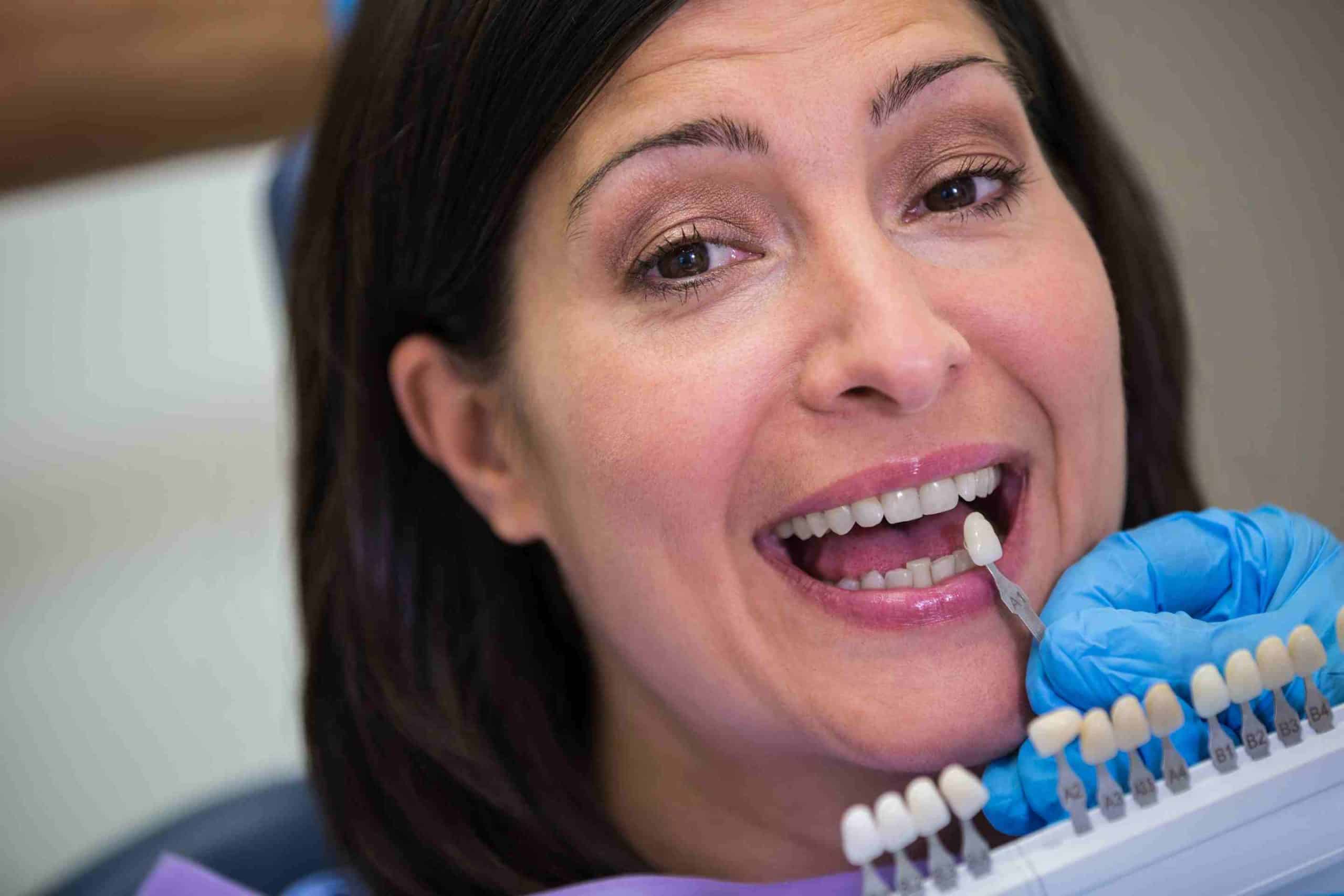
Restore your smile permanently without relying on adjacent teeth.
An implant bridge is an advanced tooth replacement solution designed for patients missing multiple teeth in a row. Unlike a traditional dental bridge, which uses the adjacent natural teeth as anchors, an implant bridge is secured by dental implants surgically placed in the jawbone. The result is a fixed, custom-crafted restoration that replaces several missing teeth at once without relying on or damaging your healthy neighboring teeth.
If you are missing multiple teeth in a row, you don’t have to settle for a removable appliance or a bridge that damages your healthy neighbors. At Central Park Oral Surgery, we offer implant bridges, a premium, permanent solution designed to look, feel, and function like your natural teeth.
Led by board-certified oral surgeon Dr. Andrei Mark, our NYC practice specializes in the precise surgical placement of implant-supported bridges. Unlike traditional fixed bridges that require grinding down healthy adjacent teeth for support, implant bridges are anchored directly into your jawbone. This advanced approach preserves your natural tooth structure, prevents bone loss, and provides superior stability so you can eat, speak, and smile with absolute confidence.
For a complete overview of all implant options, visit our dental implants in NYC page.
Why Choose an Implant Bridge?
-
No Damage to Healthy Teeth: Unlike traditional bridges, we do not need to alter or file down the teeth next to the gap.
-
Superior Stability: Anchored by implants, your restoration stays securely in place without slipping or clicking.
-
Prevents Bone Loss: Implants stimulate the jawbone, preserving your facial structure and preventing the “sunken” appearance associated with missing teeth.
-
Long-Term Durability: With proper care, an implant-supported bridge is designed to be a lifelong investment in your health.
The Central Park Oral Surgery Difference
Using advanced 3D imaging and state-of-the-art surgical technology, Dr. Mark plans every implant placement with pinpoint accuracy. This ensures optimal positioning for maximum support and a natural-looking final result. Whether you are missing two teeth or an entire section, we tailor every aspect of your treatment to your unique anatomy and aesthetic goals.
Ready to restore your smile with a solution that lasts? Schedule a consultation at our NYC office to find out if an implant bridge is right for you.
How Implant Bridges Work
An implant bridge involves the placement of two or more dental implants on either side of the gap, which are used to support a custom bridge that replaces the missing teeth. Unlike traditional bridges, this approach does not require the adjacent teeth to be altered or shaved down. The implants serve as a stable foundation, offering a more secure and permanent solution.
Here is what you can expect from start to finish at Central Park Oral Surgery:
1. Consultation + 3D Imaging
The process begins with a comprehensive exam using advanced 3D imaging technology. This scan allows Dr. Mark to evaluate the health and density of your jawbone, determine the precise implant placement locations, and confirm that you are a good candidate for implant bridges.
2. Tooth Extraction (If Needed)
If any of the remaining teeth in the area are damaged or non-restorable, they will be carefully removed to prepare the site for future implant placement.
3. Bone Graft (If Needed)
For patients with insufficient bone density to support an implant, a bone graft or sinus lift may be performed. This procedure builds a strong foundation to ensure the long-term success of your implants.
4. Dental Implant Surgery
Titanium implant posts are surgically placed into the jawbone where your missing teeth used to be. These posts act as artificial tooth roots. The procedure is performed under local anesthesia or sedation to ensure your comfort throughout. For a step‑by‑step walkthrough, see our dental implant procedure guide.
5. Healing Phase (3–6 months)
Once the implants are placed, a process called osseointegration begins. Over the next several months, the implants will fuse with your jawbone, becoming a permanent part of your mouth and creating a sturdy foundation for your new teeth. For a detailed recovery timeline, visit our dental implant recovery time page.
6. Abutment Placement
After the healing phase is complete, small connector pieces called abutments are attached to each implant. These abutments will hold the final bridge securely in place.
7. Final Bridge Placement
The final step is placing your custom-made bridge onto the abutments. Each bridge is meticulously crafted to match the color, shape, and size of your natural teeth, providing a seamless, natural-looking, and fully functional result.
Benefits of Implant Bridges
1. Improved Stability and Function
Unlike traditional bridges, which depend on the strength and health of neighboring teeth for support, implant bridges are anchored directly into the jawbone using titanium implant posts. This fundamental difference provides exceptional stability that closely mimics the function of natural tooth roots. With an implant bridge, you can bite into an apple, speak clearly, and smile confidently without the slightest worry about your restoration shifting, clicking, or becoming loose.
-
Independent support system: Implant bridges stand on their own, anchored directly to the jawbone rather than relying on adjacent teeth, which remain completely untouched.
-
Superior stability: The titanium posts integrate with your bone to create a foundation that prevents shifting, clicking, or loosening during daily use.
-
Natural function restored: Because implant bridges mimic the function of natural tooth roots, you can chew, speak, and smile with the same confidence you had with your original teeth.
-
Enhanced chewing power: The secure anchorage allows you to enjoy a varied diet, including crunchy fruits, fresh vegetables, and chewy foods, without restriction.
-
Peace of mind: Unlike removable options or traditional bridges that may become loose over time, implant bridges stay firmly in place, allowing you to go about your day without thinking twice about your smile.
2. A Long-Lasting Solution Designed for Durability
When you invest in an implant bridge, you are choosing a restoration built to stand the test of time. With proper oral hygiene and regular dental visits, implant bridges can last for decades—often a lifetime. The implants themselves are crafted from biocompatible titanium that fuses with the jawbone through osseointegration, creating a permanent bond that cannot decay or deteriorate like natural teeth.
-
Exceptional longevity: With proper care, implant bridges can last for decades, often a lifetime, far surpassing the lifespan of traditional alternatives.
-
Permanent integration: The titanium implants fuse directly with your jawbone through osseointegration, creating a stable, permanent foundation that becomes a part of you.
-
Resistance to decay: Unlike natural teeth, the implants themselves cannot develop cavities, and the materials used are highly resistant to deterioration.
-
Superior to traditional bridges: While traditional bridges typically require replacement every 5 to 15 years due to wear or damage to supporting teeth, implant bridges are designed for the long haul.
-
Cost-effective over time: Though the initial investment may be higher, the extended lifespan and reduced need for future replacements make implant bridges a smart financial choice for your oral health. For a detailed cost guide, see our dental implant cost NYC page.
3. Preserved Bone Health and Facial Structure
One of the most significant, and often overlooked, consequences of tooth loss is bone resorption. When teeth are missing, the jawbone no longer receives the stimulation it needs to maintain its density, leading to gradual bone loss over time. This can result in a sunken facial appearance, premature aging, and even difficulty with chewing and speaking. Dental implants are the only tooth replacement option that actively stimulates the jawbone, just like natural tooth roots.
-
Active bone stimulation: The titanium implants embedded in your jawbone mimic natural tooth roots, providing the necessary stimulation to maintain bone density and prevent resorption.
-
Preserved facial contours: By maintaining your underlying bone structure, an implant bridge helps prevent the sunken, prematurely aged appearance commonly associated with missing teeth.
-
Sustained oral function: A healthy, dense jawbone provides the foundation for proper chewing and speaking, ensuring your mouth functions as nature intended.
-
Long-term structural integrity: Preserving your jawbone now helps protect against further tooth loss and more complex dental issues in the future, supporting your overall oral health for years to come.
4. No Impact on Adjacent Healthy Teeth
Traditional fixed bridges come with a significant drawback: they require the dentist to file down or alter the adjacent healthy teeth to serve as anchors for the restoration. This irreversible process removes valuable enamel and can weaken those teeth over time, making them more vulnerable to decay, sensitivity, and even future dental procedures.
-
No alteration of healthy teeth: Because the restoration is anchored directly to implants embedded in the jawbone, it stands completely on its own; no support from neighboring teeth is needed.
-
Preserved natural structure: Your adjacent teeth remain completely untouched, maintaining their original strength and integrity.
-
Reduced risk of future complications: Without any filing or alteration, your healthy teeth are less vulnerable to decay, sensitivity, and future dental issues.
-
Long-term oral health: By choosing implant-supported bridges, you are not only restoring your smile but also safeguarding the long-term health of your remaining natural teeth.
Cost of Implant Bridges in NYC
The cost of implant bridges can vary based on several factors, including the number of teeth being replaced, the complexity of the procedure, and whether additional treatments such as bone grafting are required. Below is a transparent range:
-
Implant Bridge (per tooth): $3,000 to $6,000
-
Full Arch Implant Bridges (All-on-4® or similar): $20,000 to $40,000
-
Bone Grafting or Sinus Lift (if needed): $1,500 to $5,000
Please note: Dental insurance usually only covers a portion of the final restoration, not the surgical implant itself. Consult with us for the exact cost of these services.
Insurance and Payment Options
If you are wondering which dental insurance plans cover implant bridges in NYC, we accept a comprehensive range of plans at Central Park Oral Surgery, including Aetna PPO, Cigna PPO, Delta Dental PPO, Guardian PPO, and MetLife PPO, among many others. Please check with your provider for implant-specific dental insurance coverage in NYC.
At Central Park Oral Surgery, we are committed to helping make the cost of implant bridges more affordable. During your consultation, we will provide a detailed treatment plan and cost estimate. We also offer flexible payment plans for dental implants, including:
-
Major credit cards (Visa, MasterCard, American Express, Discover)
-
Debit cards
-
FSA and HSA accounts
-
Financing through CareCredit
-
In-house payment plans for qualifying applicants
For more details on insurance, visit our dental implant insurance page and accepted plans page.
Why Choose Central Park Oral Surgery for Implant Bridges in NYC?
Experienced, Board-Certified Surgeon
With over 30 years of experience in oral surgery, Dr. Andrei Mark has successfully placed thousands of dental implants and implant bridges. His expertise ensures precision, safety, and predictable results for even the most complex cases.
Advanced Technology for Precision Care
We leverage the latest innovations in dental technology, including 3D imaging, cone-beam CT scans, and computer-guided surgery. These tools allow us to plan and place your implants with exceptional accuracy, minimizing discomfort and optimizing your outcome.
Truly Personalized Treatment
No two smiles are alike, and neither are our treatment plans. We take the time to understand your unique dental needs, goals, and anatomy to create a customized approach that restores both function and aesthetics.
Convenient Midtown Manhattan Location
Our practice is centrally located in Midtown Manhattan, making it easy for patients throughout New York City to access world-class oral surgery care. Whether you’re visiting from the Upper East Side, Brooklyn, or beyond, we’re here to help you smile with confidence.
Timeline and Recovery for Implant Bridges
How Long Does the Process Take?
The timeline for receiving your implant bridge depends on the complexity of your case and whether any preparatory procedures are needed. Here is a realistic estimate:
-
Single implant bridge: 3 to 5 months from implant placement to final restoration
-
Full arch implant bridges (All-on-4® or similar): Often completed with same-day placement of a temporary bridge; final restoration placed after healing
-
Cases requiring bone grafting or sinus lift: 6 to 9 months to allow for proper healing and integration before implant placement
Please note that these are general estimates. During your consultation, Dr. Mark will provide a personalized timeline based on your unique treatment plan.
What About Pain and Recovery?
One of the most common concerns patients have is about discomfort during and after the procedure. The good news is that most patients report minimal discomfort, often less than what they experience with a simple tooth extraction. This is due to modern anesthesia techniques, minimally invasive surgical methods, and the use of advanced 3D planning that reduces trauma to the surrounding tissues.
Comfort during surgery: We offer local anesthesia along with IV sedation options to ensure you remain completely comfortable and relaxed throughout the procedure. For patients with dental anxiety, oral sedation or nitrous oxide (“laughing gas”) is also available. Your vital signs are monitored continuously by trained staff, and you will feel no pain during the placement of the implants. Many patients even fall asleep during the procedure and wake up with no memory of the surgery.
Manageable recovery: Post-operative healing is straightforward and can be managed with standard over‑the‑counter pain relievers such as ibuprofen or acetaminophen. In most cases, prescription medication is rarely needed beyond the first 24 to 48 hours. Swelling is usually mild and peaks around day two, then subsides quickly. Applying ice packs to the outside of your face for 20 minutes on, 20 minutes off during the first 48 hours significantly reduces swelling and discomfort. Most patients describe the sensation as similar to a mild bruise or muscle soreness, not sharp pain.
Quick return to normal activities: Most patients resume their daily routines within a few days, though full healing and osseointegration take several months. You can typically return to work or school within 2 to 3 days, depending on the extent of the surgery. Strenuous exercise and heavy lifting should be avoided for one to two weeks to prevent bleeding or swelling. A soft‑food diet is recommended for the first week, but you can gradually reintroduce solid foods as your comfort improves.
Ongoing support: Our team provides detailed aftercare instructions and is always available to address any questions or concerns during your recovery. You will receive a written guide covering topics such as oral hygiene, diet, medication schedules, and signs of potential complications. We also schedule a follow‑up appointment to check your healing and remove any non‑dissolvable sutures. If you ever feel uncertain about your recovery, you can call our office anytime, and a member of our team will assist you promptly.
By following these guidelines and staying in close communication with us, you can expect a smooth, comfortable recovery and a successful outcome for your implant bridge.
Dental Implant Treatment in New York City
Patients searching for implant bridges in New York City want experienced specialists and advanced technology. At Central Park Oral Surgery, Dr. Andrei Mark provides comprehensive implant solutions for patients throughout Manhattan and surrounding areas. Our practice uses 3D imaging, computer‑guided surgery, and precision planning to ensure safe, predictable outcomes. Learn more about our approach on our dental implants in NYC page.
Take the Next Step Toward Restoring Your Smile
If you are ready to learn more about implant bridges and whether they are the right solution for you, we invite you to schedule a consultation at Central Park Oral Surgery. Dr. Andrei Mark and our experienced team will guide you through every step of the process, from your initial 3D imaging scan to the final placement of your custom bridge.
Contact us today to schedule your appointment. Let us help you rediscover the confidence that comes with a complete, beautiful, and fully functional smile.


