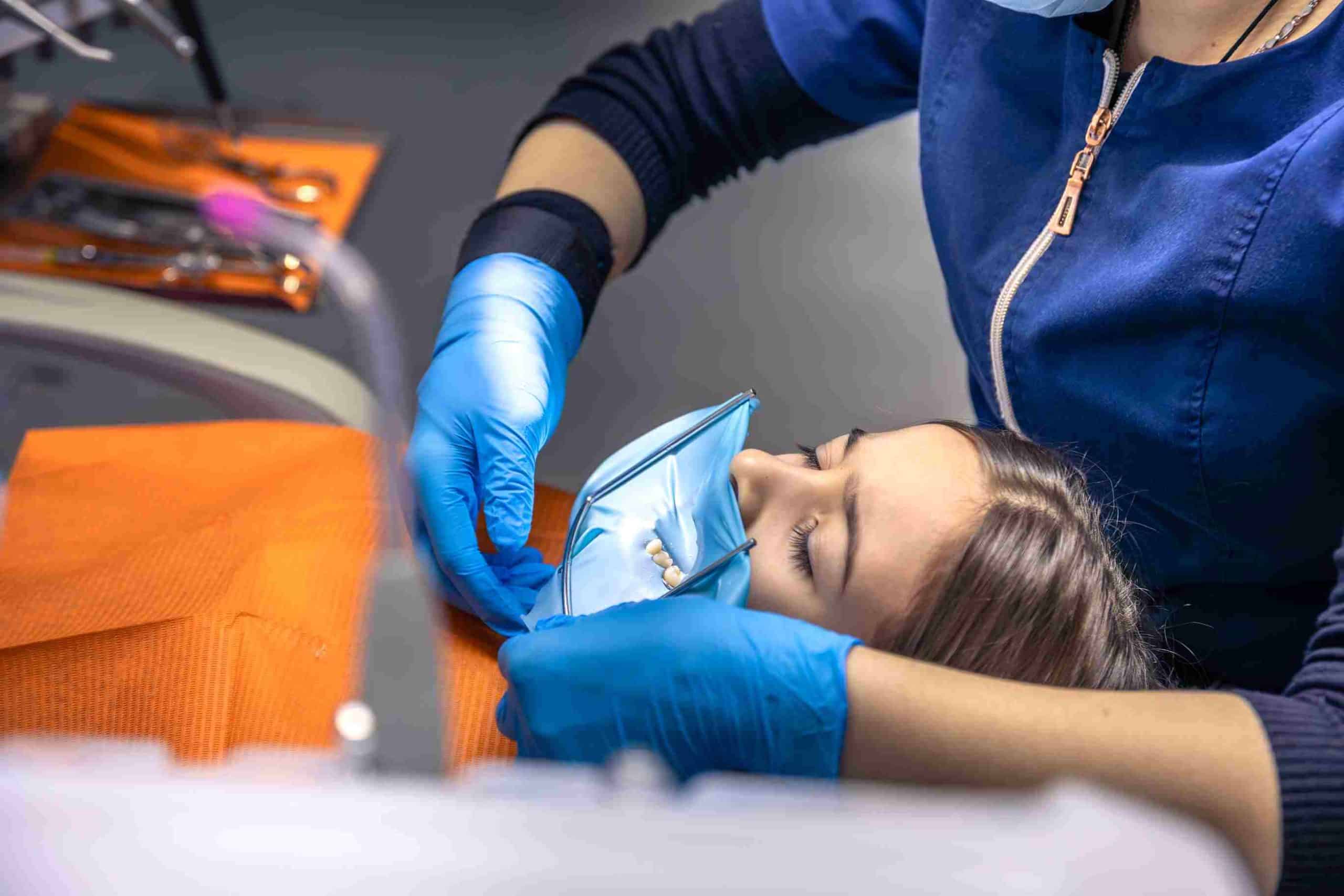
Undergoing oral surgery is a significant step toward achieving optimal oral health, whether it’s for wisdom teeth removal, dental implants, bone grafting, or another specialized procedure. The success of your treatment depends not only on the skill of your oral surgeon but also on how well you care for yourself during the recovery period. A proper recovery plan helps minimize discomfort, reduces the risk of complications, and ensures that your healing stays on track.
At Central Park Oral Surgery, we are committed to supporting our patients through every stage of treatment, from the initial consultation to the final stages of healing. Led by Dr. Andrei Mark, an experienced oral surgeon with decades of practice in New York City, we provide clear, personalized aftercare instructions tailored to your specific procedure and overall health.
What This Guide Covers
Recovery experiences vary depending on the type of surgery, the number of teeth involved, and individual healing factors. In this guide, we’ll walk you through what to expect during the recovery process, including:
-
The typical healing timeline for common oral surgery procedures
-
How to manage pain and swelling effectively
-
When you can safely return to work and normal activities
-
Recommended foods to eat and those to avoid during healing
-
The importance of follow‑up care and signs that may require a call to your surgeon
Whether you are preparing for an upcoming procedure or are already in recovery, this guide provides the information you need to heal comfortably and confidently.
Recovery Timeline After Oral Surgery
The recovery timeline after oral surgery can vary based on the complexity of the procedure and individual healing factors. Whether you’ve had wisdom teeth removed, dental implant placement, bone grafting, or another surgical procedure, understanding the general healing stages helps you know what to expect and how to support your recovery. At Central Park Oral Surgery, we provide clear, personalized aftercare instructions to help you heal comfortably and confidently.
First 24–48 Hours: The Critical Healing Window
During the first two days, the focus is on managing swelling, bleeding, and discomfort while protecting the surgical site.
-
Rest is essential: Plan to take it easy for at least 24 to 48 hours. Avoid any strenuous activity, heavy lifting, or bending over, as these can increase blood pressure and lead to renewed bleeding or swelling.
-
Bleeding control: Your oral surgeon will place gauze over the surgical sites. Bite down gently to apply pressure. Minor oozing is normal, but if bleeding persists beyond the first few hours, replace the gauze as directed.
-
Ice packs for swelling: Apply ice packs to the outside of your face in 20‑minute intervals to reduce swelling and provide natural pain relief. Continue this cycle throughout the first two days.
-
Pain management: Take prescribed or recommended pain medication as directed, starting before the local anesthesia wears off. Staying ahead of discomfort helps you rest more comfortably.
-
Diet: Stick to cold, soft foods and liquids. Avoid hot foods, straws, and vigorous rinsing to protect the blood clot that forms in the surgical site.
First Week: Swelling and Pain Subside
After the first few days, swelling and discomfort typically begin to improve. By the end of the first week, many patients feel significantly better.
-
Swelling peaks and subsides: Swelling usually peaks at 48 to 72 hours and then gradually decreases. If you were using ice packs, you may switch to warm compresses after the first 48 hours to promote circulation and reduce stiffness.
-
Pain decreases: Most patients find that pain is manageable with over‑the‑counter medication by day three or four. If you were prescribed stronger pain relievers, you may transition to ibuprofen or acetaminophen as your surgeon advises.
-
Oral hygiene: Begin gentle saltwater rinses (one teaspoon of salt in a cup of warm water) two to three times a day, especially after meals. Do not swish vigorously; simply tilt your head and let the water move gently over the area. Avoid brushing directly over the surgical site until cleared.
-
Bruising: Some bruising around the jaw or neck may appear during the first week. This is normal and will resolve on its own within 7 to 10 days.
-
Dietary progression: You can gradually incorporate soft, easy‑to‑chew foods such as scrambled eggs, mashed potatoes, and well‑cooked pasta. Continue to avoid hard, crunchy, or sticky items.
3–7 Days Post‑Surgery: Returning to Normal Activities
Many patients can return to normal activities after a week, though full recovery is still ongoing.
-
Work and school: Depending on the complexity of your procedure, you may return to work or school within 3 to 7 days. If your job involves physical labor or speaking extensively, you may need additional time.
-
Physical activity: Light activities such as walking are acceptable, but avoid heavy lifting, high‑impact exercises, and sports for at least one to two weeks. Resuming strenuous activity too soon can cause bleeding, swelling, or delayed healing.
-
Stitches: If non‑dissolvable sutures were placed, they are typically removed around day 7. Dissolvable stitches will begin to loosen and disappear on their own.
Several Weeks: Soft Tissue and Bone Healing
Depending on the type of surgery, full recovery for soft tissue healing may take 3 to 4 weeks, while bone healing, such as after dental implants or bone grafting, may take several months.
-
Soft tissue healing: By the third or fourth week, the gums should be fully closed and appear healthy. You may still notice some sensitivity to pressure, but most normal activities, including chewing on the surgical side, can resume.
-
Bone healing: For procedures involving bone, such as dental implant placement or bone grafting, the underlying bone continues to heal and remodel for several months. This process is usually asymptomatic and monitored through follow‑up imaging.
-
Follow‑up appointments: Your oral surgeon will schedule follow‑up visits to assess healing, remove any remaining sutures, and discuss next steps if further treatment (such as implant placement) is planned.
Factors That Influence Recovery
Recovery times vary based on:
-
Type of procedure: Simple extractions heal faster than surgical extractions or implant placement.
-
Number of teeth or implants: Multiple extractions or complex procedures require more extensive healing.
-
Patient age and health: Younger patients and those with good overall health typically heal faster.
-
Adherence to aftercare: Following post‑operative instructions closely is the most important factor in a smooth recovery.
Your Oral Surgeon Will Guide You
Your oral surgeon will monitor your progress and provide specific instructions based on your surgery type and overall health. If you have any questions or concerns during your recovery, whether about pain, swelling, diet, or activity, don’t hesitate to reach out to our team at Central Park Oral Surgery.
Pain and Swelling Management
Managing pain and swelling is an essential part of the recovery process. Proper management not only keeps you comfortable but also supports your body’s natural healing and reduces the risk of complications. At Central Park Oral Surgery, we provide clear, personalized aftercare instructions to help you navigate this phase with confidence.
Pain Medications
-
Prescription pain relievers: For more complex procedures, such as surgical extractions, bone grafting, or dental implant placement, your oral surgeon may prescribe stronger pain medication to help manage discomfort in the first few days after surgery. Take these exactly as directed, and consider taking the first dose before the local anesthesia wears off to stay ahead of the pain.
-
Over‑the‑counter options: Non‑steroidal anti‑inflammatory drugs (NSAIDs) like ibuprofen (Advil, Motrin) are often effective for managing pain and reducing inflammation. Acetaminophen (Tylenol) is another option for those who cannot take NSAIDs. Your oral surgeon may advise combining these with prescription medication or using them alone once the initial discomfort subsides.
-
Timing matters: For the first few days, take pain medication on a schedule rather than waiting for pain to become severe. Staying consistent helps keep discomfort manageable and allows you to rest more effectively.
-
Transitioning: As pain decreases, usually by day three or four, you can gradually switch to over‑the‑counter pain relievers as needed. Always follow the dosage instructions on the label or provided by your surgeon.
Cold Compress Therapy
-
First 48 hours: Apply a cold compress or ice pack wrapped in a thin cloth to the outside of your face over the surgical area. Use it for 20 minutes on, then 20 minutes off during the first 48 hours. This helps constrict blood vessels, reducing swelling and providing natural pain relief.
-
Consistency is key: Continue this cycle throughout the first two days, especially during waking hours. The more consistent you are with ice therapy in the first 48 hours, the less swelling you are likely to experience.
-
Switch to warm compresses after 48 hours: After the initial two days, you can switch to a warm, moist compress. Heat increases blood flow to the area, which can help reduce stiffness, ease muscle soreness, and promote healing. Apply for 15–20 minutes at a time, several times a day as needed.
-
Never apply ice or heat directly to the skin: Always wrap the compress in a towel or cloth to protect your skin from frostbite or burns.
Head Elevation
-
Keep your head elevated while resting: When resting or sleeping, prop your head up with two or three pillows to keep it higher than your heart. This position uses gravity to reduce blood flow to the surgical area, helping to minimize swelling and throbbing.
-
Continue for several nights: Even after the first 48 hours, keeping your head elevated while sleeping can be beneficial until swelling has significantly subsided. This is especially important after more invasive procedures like dental implant placement or multiple extractions.
Avoid Touching the Surgical Site
-
Do not touch the area with your fingers or tongue: Refrain from touching the surgical site to avoid introducing bacteria and causing infection. Poking or prodding the area can also disrupt the protective blood clot or irritate the healing tissue.
-
Be gentle with oral hygiene: For the first 24 hours, do not rinse or brush near the surgical site. After that, rinse gently with warm salt water as directed, and avoid vigorous swishing. Do not use a straw for at least one week, as suction can dislodge the blood clot.
-
Protect the area while eating: Chew on the opposite side of your mouth for the first several days to avoid placing pressure on the healing site. Stick to soft foods that require minimal chewing.
Additional Comfort Measures
-
Rest and relax: Your body heals most efficiently when you are at rest. Avoid stress, limit activity, and give yourself permission to take it easy for the first few days.
-
Stay hydrated: Drinking plenty of water helps flush out anesthesia and supports cellular repair. Sip slowly and avoid straws.
-
Eat soft, cool foods: Cold foods like yogurt, smoothies, and applesauce can have a soothing effect on the surgical sites and help reduce swelling naturally.
-
Avoid smoking and alcohol: Smoking significantly impairs blood flow and oxygen to the healing tissues, which delays healing and increases the risk of dry socket and infection. Alcohol can interfere with medications, increase bleeding, and slow recovery. Refrain from both for at least the first week, and ideally throughout the entire healing period.
When to Contact Your Oral Surgeon
While some pain and swelling are expected, you should contact Central Park Oral Surgery if:
-
Pain becomes severe and is not relieved by medication
-
Swelling worsens after 48–72 hours or spreads to your neck or eyes
-
You develop a fever over 101°F (38.3°C)
-
You experience prolonged or heavy bleeding
-
You notice signs of infection such as pus, foul taste, or persistent bad breath
Follow Your Surgeon’s Guidance
Be sure to follow the specific pain management and aftercare instructions provided by your oral surgeon to ensure a smooth recovery. Every procedure is unique, and your surgeon’s recommendations are tailored to your specific needs.
When Patients Can Return to Work
The timeline for returning to work depends on the type of surgery performed and the individual’s healing process. While every patient heals differently, the following guidelines can help you plan your time away from work:
-
Simple extractions or minor procedures: Most patients can return to work in 2 to 4 days, especially if their job involves desk work or light duties. Swelling and discomfort are usually minimal by this stage.
-
More complex procedures (e.g., dental implants, jaw surgery): Recovery may take longer, and patients may need 1 to 2 weeks before resuming normal work activities. Jobs that require physical exertion, heavy lifting, or extensive speaking may require additional rest.
If you are unsure about when it’s appropriate to return to work, your oral surgeon can assess your recovery progress and provide personalized advice based on your specific procedure and overall health. Listening to your body and allowing adequate healing time helps prevent complications and supports a smoother recovery.
📞 Need guidance? Contact Central Park Oral Surgery at 212.813.0707 or schedule a follow‑up appointment to discuss your return‑to‑work timeline.
Foods to Eat After Surgery
What you eat during the first few days after surgery plays a significant role in your recovery. Choosing the right foods helps reduce irritation, supports healing, and minimizes the risk of complications.
-
Soft foods: Stick to foods that require minimal chewing, such as mashed potatoes, yogurt, smoothies (without seeds or nuts), scrambled eggs, and well‑cooked pasta. These provide essential nutrients without disturbing the surgical site.
-
Avoid hard, crunchy, or spicy foods: Foods like chips, nuts, popcorn, and spicy dishes can irritate the healing tissues, get lodged in the socket, or cause discomfort. Avoid them until your surgeon advises otherwise.
-
Cold and room‑temperature foods: Very hot foods or drinks can increase swelling and may disrupt the blood clot. Cold foods, such as ice cream, chilled smoothies, or cold applesauce, can offer relief by numbing the area and reducing inflammation.
-
Gradually reintroduce normal foods: Once your surgeon clears you, you can slowly add firmer items back into your diet. Start with soft, easy‑to‑chew options like tender meats, soft bread, and steamed vegetables. Continue to be gentle around the healing area.
Proper nutrition and hydration are essential for recovery. If you have questions about specific foods or dietary restrictions, our team at Central Park Oral Surgery is happy to provide guidance.
Follow-Up Care After Oral Surgery
Follow‑up care is essential to ensure the surgical site is healing as expected and to avoid complications. Your oral surgeon will schedule a follow‑up visit typically within 1 to 2 weeks after your surgery. This appointment allows us to monitor your progress, address any concerns, and provide guidance for the next phase of your recovery.
-
Examine the surgical site: Your surgeon will check for signs of infection, proper healing, and any complications such as dry socket or delayed closure. If you had multiple procedures, like dental implants or bone grafting, we will also evaluate how the underlying structures are healing.
-
Remove sutures (if necessary): Some sutures dissolve on their own over time. If non‑dissolvable stitches were placed, they will be gently removed during this visit. This is typically a quick, painless process.
-
Provide additional instructions: Based on your progress, your surgeon will give you tailored guidance. This may include when to resume eating solid foods, how to care for the area as it continues to heal, and when it is safe to return to physical activities or sports.
-
Monitor long‑term healing: For procedures involving bone, such as dental implant placement or jaw surgery, follow‑up visits may continue over several months to ensure proper integration and to plan the next stages of treatment.
Maintaining regular follow‑up visits ensures the best possible outcome and prevents any issues from going unnoticed. If you have any questions before your scheduled appointment, or if you experience unusual symptoms, don’t hesitate to contact our office.
Oral Surgery Care in New York City
Patients seeking oral surgery in New York City often look for experienced specialists who combine advanced techniques with compassionate care. At Central Park Oral Surgery, Dr. Andrei Mark provides a full range of surgical procedures, from wisdom teeth removal to dental implants and complex extractions, for patients throughout Manhattan and surrounding areas. Our practice uses advanced 3‑D imaging and precision surgical planning to ensure safe, predictable outcomes.
For more information on specific procedures, explore our oral surgery services in NYC, or read our detailed guides on wisdom teeth removal recovery and tooth extraction healing time.
Schedule Your Follow‑Up Visit
At Central Park Oral Surgery, we are committed to supporting you through every stage of your recovery. If you need to schedule your follow‑up appointment or have questions about your healing progress, reach out to our team.
📍 Location: 515 Madison Avenue, New York, NY
📞 Call: 212.813.0707
🔗 Request an Appointment: Contact Us