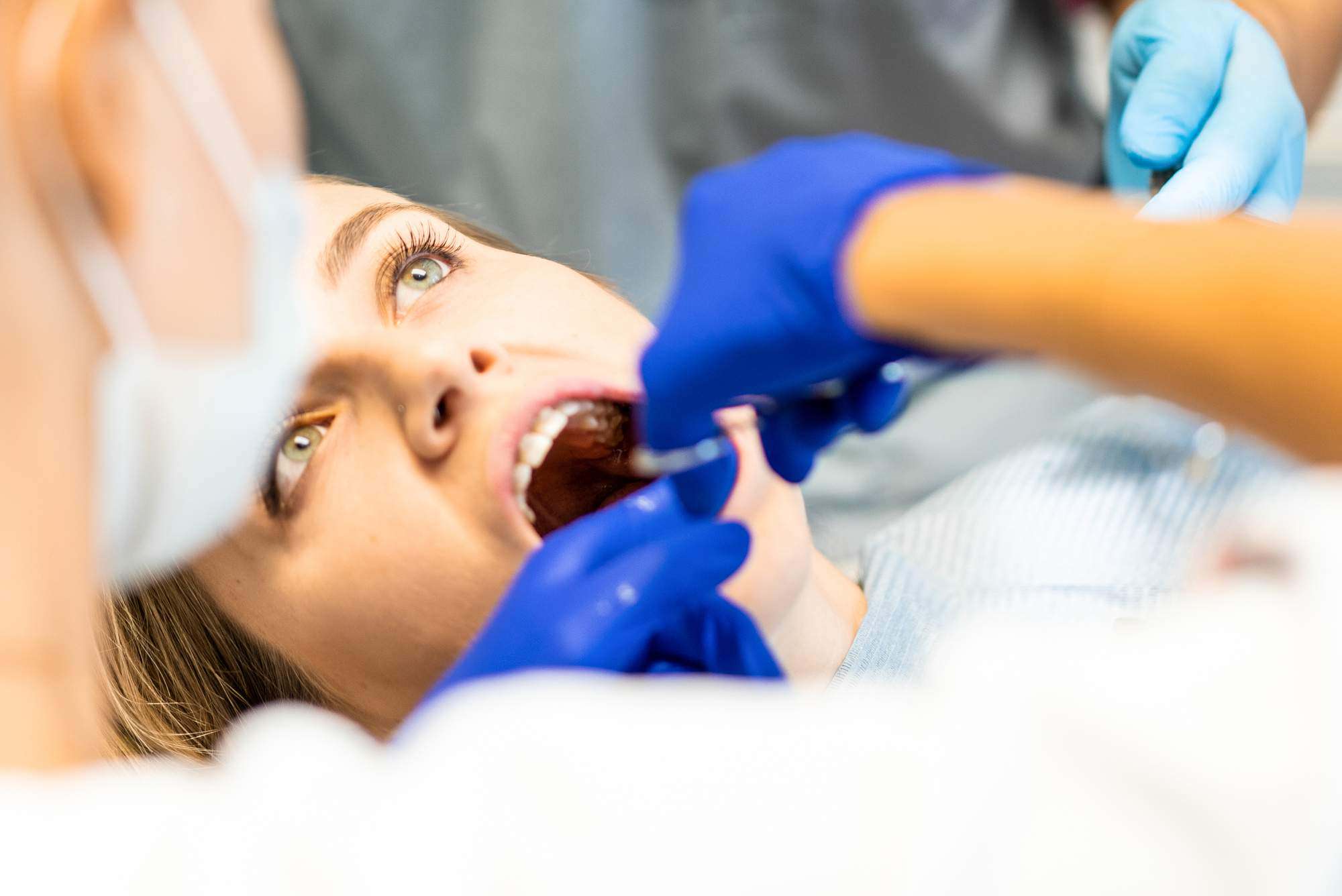
Surgical Tooth Removal NYC | Central Park Oral Surgery
Expert Extraction Care for Complex Dental Cases
While many teeth can be removed in a straightforward manner, some present unique challenges that require a higher level of surgical expertise. Surgical tooth removal is a specialized dental procedure performed when a tooth cannot be easily accessed or removed using a simple, non-surgical extraction. This is often the case when a tooth has not fully erupted, has broken off at the gum line, or is anchored by unusually shaped or brittle roots. In these situations, a standard extraction is not only ineffective but could also increase the risk of complications such as damage to adjacent teeth, fracture of the jawbone, or leaving root fragments behind.
Unlike a standard extraction, which involves loosening a visible tooth with forceps, a surgical removal requires a more advanced approach. This typically involves making a small incision in the gum tissue to access the tooth. In some cases, it may also be necessary to remove a small amount of bone surrounding the tooth or to section the tooth into smaller pieces to allow for a safe and minimally traumatic removal. These techniques are performed with precision to preserve the surrounding healthy tissue and to minimize post‑operative discomfort.
At Central Park Oral Surgery, surgical tooth removal procedures are performed by Dr. Andrei Mark, a highly experienced oral and maxillofacial surgeon who has successfully treated patients across New York City for decades.
Dr. Mark combines his extensive training with a patient‑first philosophy, ensuring that each procedure is tailored to the individual’s anatomy and needs. Utilizing advanced 3D imaging technology (CBCT) and modern, minimally invasive surgical techniques, our team ensures that every procedure is executed with the highest standards of precision, safety, and patient comfort. From the initial consultation through post‑operative follow‑up, we prioritize clear communication and compassionate care.
Surgical extraction is not always the first option, but it becomes the safest and most effective approach in specific situations. Dr. Mark commonly recommends this procedure for:
Impacted teeth: Most frequently associated with wisdom teeth (third molars) that have failed to erupt properly through the gums and are trapped within the jawbone.
Severely damaged or decayed teeth: Teeth that have broken off at or below the gum line leave no visible structure for standard forceps to grip.
Teeth with complex root structures: Some teeth have long, curved, or fragile roots that are prone to breaking during a simple extraction.
Fractured teeth: Teeth that have cracked vertically or have multiple fractures may need to be removed in sections to preserve the surrounding bone.
Preparation for dental implants: Surgical extraction allows for the careful removal of a tooth while preserving as much healthy bone as possible, which is crucial for immediate or future implant placement.
Teeth with severe infection: Extensive decay or abscesses may require surgical removal to ensure all infected tissue is thoroughly cleaned out.
Failed root canal treatments: When retreatment is not feasible, surgical extraction may be the best option to remove the source of persistent pain or infection.
Preparation for orthodontic treatment: Sometimes healthy teeth must be removed to create space for orthodontic realignment.
The Surgical Tooth Removal Procedure: What to Expect
At Central Park Oral Surgery, we believe that knowing what to expect is key to a calm and confident patient experience. From your initial consultation through your recovery, Dr. Mark and his team are committed to providing transparent, compassionate, and expert care at every stage.
Step 1: Comprehensive Evaluation and 3D Imaging
Your care begins with a thorough consultation. Dr. Mark will review your dental and medical history and perform a clinical examination. To fully understand the tooth’s position and its relationship to vital structures like nerves and sinuses, we utilize state‑of‑the‑art 3D cone beam computed tomography (CBCT). This advanced imaging provides a complete picture, allowing for meticulous surgical planning and minimizing surprises during the procedure.
Step 2: Your Comfort Is Our Priority
We understand that the idea of oral surgery can be anxiety-inducing. To ensure your experience is as relaxed and pain‑free as possible, we offer a range of anesthesia options tailored to your specific needs and the complexity of the procedure:
Local anesthesia: numbs the surgical area
Nitrous oxide (laughing gas): helps you relax while remaining awake
IV sedation: provides a deeper state of relaxation where you are comfortably unaware of the procedure
Step 3: The Surgical Procedure
Once you are comfortable, Dr. Mark will begin the procedure with steady precision.
Incision: A small incision is made in the gum tissue to lift a flap and expose the underlying tooth and bone.
Bone removal (if necessary): A small amount of bone surrounding the tooth may be gently removed to allow better access.
Tooth sectioning: In many cases, the tooth is carefully divided into smaller, more manageable sections. This technique minimizes the amount of bone that needs to be removed and reduces trauma to the area.
Extraction and closure: The tooth or tooth sections are gently lifted out. The surgical site is then thoroughly cleaned. If Dr. Mark deems it necessary, a bone grafting material may be placed to preserve the jawbone for future healing. Finally, the gum tissue is sutured closed with dissolvable stitches to promote optimal healing.
Benefits of Choosing Surgical Tooth Removal
While the term “surgery” may sound daunting, opting for a surgical approach when necessary offers significant advantages that extend beyond the procedure itself. By using precise, controlled techniques, surgical extraction prioritizes your long‑term oral health and sets the stage for future restorative work.
Preservation of bone: By using careful techniques, surgical extraction helps maintain the maximum amount of healthy jawbone. This is essential for future restorative options like dental implants or bridges. When a tooth is removed with excessive force or without proper planning, the surrounding bone can fracture or resorb more rapidly. Surgical extraction, in contrast, preserves the natural contours of the jaw, giving you the best possible foundation for any subsequent tooth replacement.
Reduced risk of complications: A controlled, surgical approach minimizes the risk of damaging adjacent teeth, fracturing the jaw, or leaving tooth fragments behind. In a difficult simple extraction, neighboring teeth can be loosened or chipped, and root tips can break off and become embedded. With surgical extraction, Dr. Mark can see the entire surgical field clearly, remove all fragments, and ensure that the area is clean and free of debris. This reduces the chance of post‑operative infection, dry socket, and the need for additional surgeries.
Minimized trauma: Though it involves an incision, the precise nature of the surgery often results in less overall trauma and a smoother recovery than a difficult, forced simple extraction. When a tooth is stubbornly pried or twisted out, the surrounding gum tissue and bone can be crushed or torn. A surgical approach uses a small incision and, if necessary, removes only a minimal amount of bone to gently lift the tooth out. Patients frequently report less swelling and pain compared to a prolonged, physically demanding simple extraction.
Management of infections: It allows Dr. Mark to thoroughly clean the site and remove any infected tissue, promoting better healing. In cases of severe decay or abscess, infection can extend into the bone and surrounding soft tissue. Surgical exposure enables complete debridement of the area, including the removal of any granulomatous tissue or cyst lining. This thorough cleaning reduces the risk of recurrent infection and allows the bone to heal cleanly, which is especially important if you plan to place a dental implant later.
Better preparation for future restorations: When a tooth is removed surgically with care, the socket heals in a more predictable shape, often requiring less additional bone grafting later. If a dental implant is planned, the surgical extraction can be performed with immediate socket preservation (bone grafting at the time of extraction), which significantly shortens the overall treatment timeline and improves implant success rates.
By choosing surgical extraction when indicated, you are investing in a procedure that protects your jawbone, reduces risks, and supports a faster, more comfortable recovery. Dr. Mark will always recommend the approach that is safest and most beneficial for your long‑term oral health.
Recovery After Surgical Tooth Removal
Recovery from surgical tooth removal is generally manageable and similar to other oral surgery procedures. Dr. Mark will provide you with detailed post‑operative instructions tailored to your specific procedure. Understanding what to expect can help you heal more comfortably and avoid complications.
Common Experiences During Recovery
Mild swelling and discomfort: This is normal and typically peaks within 48 to 72 hours. It can be managed with prescribed medication and ice packs applied to the outside of the face in 20‑minute intervals (20 minutes on, 20 minutes off) during the first 48 hours. After the initial two days, switching to warm compresses can help reduce stiffness and promote healing.
Minor bleeding: Some oozing is normal for the first 24 hours. Bite gently on gauze as directed, replacing it every 30 to 45 minutes until bleeding subsides. If bleeding continues beyond 24 hours or becomes heavy, contact our office.
Temporary jaw soreness: You may experience stiffness or soreness in the jaw muscles, especially after procedures involving impacted teeth or extended mouth opening. This usually resolves within a few days. Gentle jaw stretches, as advised by your surgeon, can help.
Sensitivity around the surgical site: The area may feel tender to touch or when eating. This is normal and improves as healing progresses. Most patients notice significant improvement by day five or six.
Activity and Diet Guidelines
First 24–48 hours: Rest is essential. Avoid any strenuous activity, heavy lifting, bending over, or cardiovascular exercise. These activities can increase blood pressure and lead to renewed bleeding or swelling. Keep your head elevated with an extra pillow while resting or sleeping to minimize swelling.
Diet recommendations:
Days 1–3: Stick to cold, soft, and liquid foods such as yogurt, smoothies (without straws), applesauce, pudding, chilled soup, and protein shakes. Cold foods help soothe the surgical site and reduce swelling. Avoid hot foods and beverages, as heat can increase bleeding and swelling.
Days 4–7: Gradually introduce warm, soft foods like scrambled eggs, mashed potatoes, well‑cooked pasta, oatmeal, and soft bread. Avoid crunchy, hard, sticky, or spicy foods that could irritate the site.
After week 1: You can slowly return to a normal diet, but continue to avoid very hard or chewy items (e.g., nuts, chips, tough meats) until your surgeon confirms healing is complete.
Foods to avoid for at least one week:
Hot foods and drinks
Crunchy or hard items (chips, nuts, popcorn, hard candy)
Sticky foods (caramels, gummy candies)
Spicy foods (can irritate the surgical site)
Alcohol (can interfere with medications and delay healing)
Carbonated beverages (may cause discomfort)
Hydration: Drink plenty of water, but sip slowly and avoid using straws for at least one week. The suction from a straw can dislodge the protective blood clot, leading to dry socket.
Oral Hygiene Instructions
First 24 hours: Do not rinse, spit, or brush near the surgical site. You may gently brush your other teeth, taking care to avoid the extraction area.
After 24 hours: Begin gentle saltwater rinses (one teaspoon of salt in a cup of warm water) two to three times a day, especially after meals. Do not swish vigorously; simply tilt your head and let the water move gently over the area. Avoid commercial mouthwashes containing alcohol until cleared by your surgeon.
Resume normal brushing: After a few days, you can carefully brush the surgical area with a soft‑bristled toothbrush, but be very gentle to avoid disrupting healing tissues.
Return to Normal Activities
Most patients return to work and light activities within 3 to 7 days, depending on the complexity of the extraction and the type of sedation used.
Desk jobs: Many patients return within 2 to 4 days.
Physical labor or speaking‑intensive jobs: May require 5 to 7 days or longer.
Exercise and sports: Avoid vigorous exercise, heavy lifting, and contact sports for at least 1 to 2 weeks. Resuming too soon can cause bleeding, swelling, or dry socket.
Complete healing of the surgical site (including bone and soft tissue) typically occurs within several weeks to a few months. If you are planning a dental implant, the bone may need 3 to 6 months to fully heal before placement.
When to Contact Your Oral Surgeon
Contact Central Park Oral Surgery immediately if you experience any of the following:
Severe or worsening pain that is not relieved by prescribed or over‑the‑counter medication
Excessive bleeding that does not stop with gentle pressure after 30 minutes
Swelling that worsens after 72 hours or spreads to the neck, eye area, or opposite side of the face
Fever over 101°F (38.3°C), especially with chills or sweating
Signs of infection such as pus drainage, foul taste, or persistent bad breath that does not improve with saltwater rinses
Difficulty breathing or swallowing (rare, but seek emergency care immediately)
Numbness that lasts beyond 24 hours or seems unusual
By following your post‑operative instructions carefully and attending any scheduled follow‑up appointments, you can ensure a smooth, predictable recovery and minimize the risk of complications.
Cost of Surgical Tooth Removal in NYC
The cost of surgical tooth removal in New York City depends on the complexity of the extraction, the position of the tooth, and whether additional services such as sedation or advanced imaging are required. Factors that influence pricing include impaction level, bone removal, tooth sectioning, and the need for bone grafting.
Because every patient’s case is unique, the best way to receive an accurate cost estimate is through a personalized consultation. During your visit, Dr. Andrei Mark will evaluate your specific situation using 3D imaging, discuss sedation options, and provide a clear, detailed estimate that includes all associated fees.
At Central Park Oral Surgery, we believe in transparent pricing. We will also verify your insurance benefits and discuss flexible payment options, including CareCredit and in‑house financing, to help make your treatment affordable.
📞 Call 212.813.0707 or request an appointment online to schedule your consultation and receive a personalized cost estimate.
Insurance and Financing
We accept many major PPO dental insurance plans, including:
Our administrative team will verify your insurance coverage before treatment and provide a detailed cost estimate. For patients paying out‑of‑pocket, we offer CareCredit financing and flexible payment options to make treatment more accessible.
Patients in New York City seeking surgical tooth removal want experienced specialists who combine advanced technology with compassionate care. At Central Park Oral Surgery, Dr. Andrei Mark provides a full range of surgical procedures, from complex extractions to dental implants and bone grafting, for patients throughout Manhattan and surrounding areas. Our practice uses advanced 3D imaging and precision surgical planning to ensure safe, predictable outcomes.
If you have been told you need a complex extraction, or if you are experiencing pain from an impacted or damaged tooth, you don’t have to navigate it alone. At Central Park Oral Surgery, Dr. Andrei Mark provides the expertise and compassionate care necessary to handle even the most challenging dental situations.
Take the first step toward a pain‑free, healthier smile.
The cost of dental implants in New York City can vary depending on each patient’s individual needs. Factors such as the number of implants, any required preparatory procedures, and the type of restoration used all affect the total cost. The most accurate way to determine your treatment cost is by scheduling a consultation with a dental implant specialist.
Dental implants function as artificial tooth roots that are surgically placed into the jawbone. Over time, they bond with the surrounding bone through a natural process called osseointegration. Once healing is complete, a lifelike restoration—such as a crown, bridge, or denture—is attached to the implant to restore the visible part of the missing tooth.
Caring for dental implants is similar to caring for natural teeth. Maintaining good oral hygiene—such as regular brushing and flossing—along with routine dental checkups and cleanings, plays a key role in keeping implants healthy. It's also important to avoid habits that can cause physical damage, like teeth grinding or using teeth as tools, to help ensure the longevity of your dental implants.
Tooth loss can impact more than just the appearance of your smile. It may interfere with your ability to eat comfortably and maintain a balanced diet. Over time, surrounding teeth can shift out of place, leading to bite misalignment and discomfort. In addition, missing teeth can contribute to bone loss in the jaw, which may affect your facial structure and oral health overall.
The best candidates for dental implants are individuals in generally good health, with no signs of active gum disease. They should have sufficient bone density in the jaw to support the implant and should not smoke or use tobacco products, as these can interfere with healing. A thorough evaluation by a dental implant specialist is recommended to determine eligibility for treatment.
Dental implants are designed to be a long-term solution for missing teeth, with the implant itself potentially lasting a lifetime if properly cared for. However, the crown—the visible part that resembles a natural tooth—may need to be replaced after 10 to 15 years due to normal wear and tear. The lifespan of a dental implant can vary based on factors like oral hygiene, lifestyle habits, underlying medical conditions, and regular dental visits. For best results, it's important to maintain good oral care and consult with a dental implant specialist for personalized guidance.
Whether dental implants are covered by insurance depends on your specific plan. Some dental insurance policies may offer partial coverage, while others exclude implants altogether or include strict limitations. In certain cases, coverage may only apply if the procedure is deemed medically necessary. To understand your options, it’s best to review your insurance policy or speak directly with your provider.
Our Patients Speak: Testimonials & Feedback
I’m very grateful. I have been one of those anxious and sensitive patients and honestly was freaked out coming to the city and they got me through two extractions, a bone graft and two implants with extreme care. I walked out smiling. Great people.
Dakota lane
I also suffer from tinnitus, and Dr. Andrei Mark took special care to ease my concerns about the noise. The entire procedure, from anesthesia to extraction, was seamless. It was completely pain-free and finished in under 10 minutes. I highly recommended.
Anthony Wagner
Dr. Andrei Mark successfully completed my implant surgery. I am so very pleased with the result. Dr. Andrei Mark is in my opinion is a very skillful and knowledgeable specialist. His manner with a patient in the chair is warm and pleasant.
Jerzy Zielinski
Dr. Andrei Mark and his staff treated me for almost one year, and they completed my dental implants very successfully. I could not be more pleased with the outcome. But more importantly, Dr. Andrei Mark treated me like I was his most important patient