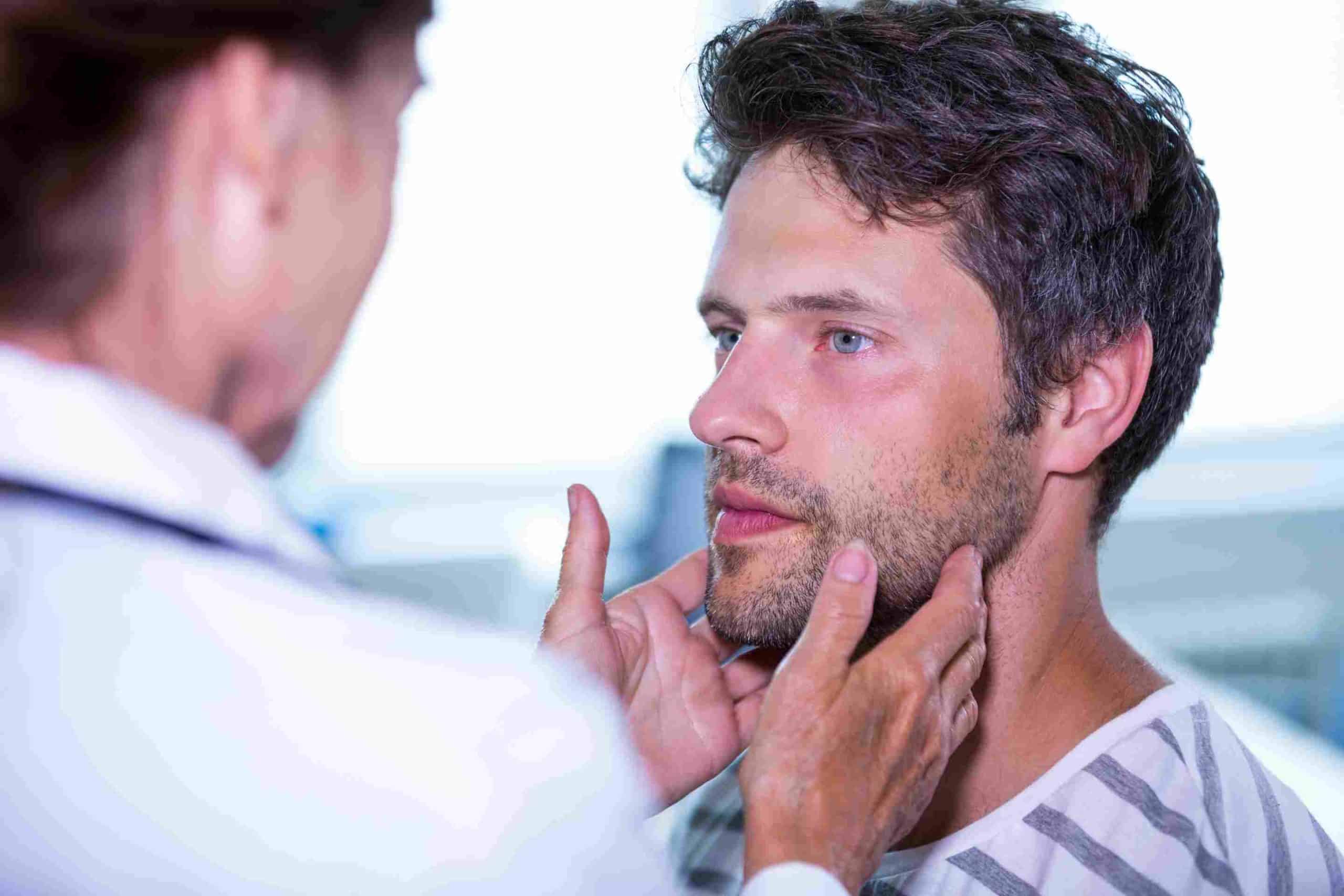
Temporomandibular joint (TMJ) disorders affect millions of people, often turning everyday actions like talking, chewing, or yawning into sources of significant pain and frustration. These disorders can manifest in a variety of debilitating ways, including persistent jaw pain, chronic headaches, facial tenderness, neck aches, and noticeable clicking or popping sounds when moving the mouth. For many, the condition progresses to limited jaw movement or even complete locking of the joint, making it difficult to eat or speak comfortably.
If you are dealing with these symptoms, finding the right path to relief is essential for restoring your quality of life. At Central Park Oral Surgery, we offer advanced, state-of-the-art TMJ treatment options designed to accurately diagnose the root cause of your discomfort and restore proper jaw function.
According to experts at Johns Hopkins Medicine, surgical intervention for TMJ disorders is typically considered a last resort, reserved for cases where structural problems within the joint do not respond to conservative treatments. Following this rigorous standard of care, our approach ensures that surgery is only recommended when it is the most effective path to providing lasting relief.
Our team, led by Dr. Andrei Mark, who brings decades of specialized experience to the treatment of TMJ disorders for patients throughout New York City. We are committed to providing fully personalized care, taking the time to understand your unique symptoms and goals. By utilizing the latest advancements in surgical technology and minimally invasive techniques, we can address complex joint issues with precision, helping you move beyond the pain and limitation of TMJ disorders. If you are experiencing jaw pain, clicking, locking, or difficulty opening your mouth, we invite you to explore how our expertise can help you find lasting relief.
What is TMJ?
The temporomandibular joint (TMJ) is a complex and essential hinge that connects your lower jaw to your skull, located just in front of each ear. This joint works in tandem with a network of muscles, ligaments, and discs to facilitate the smooth, fluid movements required for talking, chewing, and yawning. When this intricate system is disrupted by a TMJ disorder, it can lead to a cascade of uncomfortable and often debilitating symptoms that extend far beyond the jaw itself.
Patients suffering from TMJ disorders frequently report a range of issues, including:
Persistent jaw pain or tenderness that may worsen with movement
Audible popping, clicking, or grinding sounds when opening or closing the mouth (with or without associated pain)
Limited range of motion, such as difficulty opening the mouth fully or a sensation of the jaw “locking” in place
Chronic headaches or neck pain that mimics other conditions
Unexplained ear pain, a feeling of fullness in the ears, or tinnitus (ringing in the ears) , often mistaken for an ear infection
Because these symptoms can overlap with other medical conditions, obtaining an accurate diagnosis is the first and most critical step toward finding relief. If you recognize any of these signs, seeking professional care from a qualified TMJ specialist is essential.
At Central Park Oral Surgery, we combine advanced diagnostic technology with decades of surgical expertise to identify the root cause of your discomfort and develop a personalized treatment plan designed to restore harmony to your jaw function and improve your overall well-being.
TMJ Treatment Options in NYC
At Central Park Oral Surgery, we offer a range of TMJ treatment options designed to address the root cause of your symptoms and improve your quality of life. Treatments may vary depending on the severity of your condition, the underlying cause of your TMJ disorder, and your response to previous therapies. Our approach is always to start with the least invasive, most conservative options and progress to surgical solutions only when necessary.
Conservative (Non-Surgical) Treatments
The majority of TMJ disorders respond well to nonsurgical therapies. These treatments focus on reducing muscle tension, improving jaw alignment, managing inflammation, and addressing contributing factors such as stress or teeth grinding.
Physical Therapy: Targeted exercises and manual techniques help relieve muscle tension, improve jaw mobility, and restore normal range of motion. A physical therapist may use ultrasound, moist heat, or gentle stretching to relax the jaw muscles. You will also learn home exercises to maintain progress between visits.
Bite Splints (Night Guards): A custom‑fitted oral appliance, worn primarily at night, helps align the jaw and prevent teeth grinding (bruxism), a common cause of TMJ discomfort. The splint reduces pressure on the joint, protects tooth enamel, and allows the muscles to relax. Most patients notice a significant decrease in morning jaw pain and headaches within a few weeks of consistent use.
Medications: Over‑the‑counter nonsteroidal anti‑inflammatory drugs (NSAIDs) like ibuprofen can reduce inflammation and relieve mild to moderate pain. For more severe discomfort, your oral surgeon may prescribe muscle relaxants or low‑dose tricyclic antidepressants, which have been shown to help with chronic facial pain. All medication plans are tailored to your health history and symptom profile.
Cognitive Behavioral Therapy (CBT): CBT is a structured, goal‑oriented form of talk therapy that helps you identify and change negative thought patterns and behaviors that can exacerbate TMJ symptoms. It is particularly effective for patients whose pain is worsened by stress, anxiety, or clenching habits. CBT provides practical coping strategies, relaxation techniques, and biofeedback to reduce muscle tension and improve pain management without medication.
Lifestyle Modifications: We also provide guidance on dietary changes (soft foods to rest the jaw), posture correction (especially for those who work at computers), and stress reduction techniques such as mindfulness or meditation. These small adjustments can have a powerful cumulative effect on symptom relief.
Surgical Treatment for Severe TMJ Cases
When conservative treatments fail to provide adequate relief after a reasonable period (typically six months or more), and imaging shows structural damage or disc displacement, surgical intervention may be recommended. Our surgical options range from minimally invasive arthrocentesis to advanced arthroscopy and, in rare cases, open joint surgery.
Surgical Treatment for Severe TMJ Cases
Arthrocentesis: This is the least invasive surgical procedure. It involves inserting one or two small needles into the joint space and irrigating (flushing) it with sterile fluid. The lavage removes inflammatory byproducts, scar tissue, and debris that can cause pain and restrict movement. Arthrocentesis is often performed under local anesthesia in about 15–30 minutes. It is most effective for patients with early‑stage joint inflammation or limited mouth opening. Recovery is quick, most patients return to normal activities within one to two days.
Arthroscopy: A more advanced procedure, arthroscopy uses a tiny camera (arthroscope) inserted through a small incision (about the size of a keyhole) to visualize the joint directly. This allows Dr. Mark to diagnose and treat problems with exceptional precision. Depending on your condition, he may remove scar tissue (adhesiolysis), reposition a displaced disc, or smooth rough bone surfaces. Arthroscopy is performed under IV sedation or general anesthesia and typically takes 30–90 minutes. Benefits include smaller incisions, less scarring, reduced post‑operative pain, and a faster recovery, most patients return to light activities within 2–3 days.
Open Joint Surgery: In severe cases where there is significant structural damage, such as large bone spurs, tumors, fractures, or advanced osteoarthritis, open joint surgery may be necessary. This involves making a larger incision to access the joint directly. The surgeon can remove damaged tissue, reconstruct the joint, or, in extreme cases, perform a total joint replacement. Open joint surgery is reserved for patients who have failed all other treatments and have debilitating symptoms. Recovery takes longer (2–4 weeks before returning to normal activities), but it can provide dramatic, long‑lasting relief for those with end‑stage joint disease.
Personalized Treatment Planning
Each of these options is personalized to meet the unique needs of each patient. Dr. Andrei Mark will work closely with you to determine the most effective treatment plan based on a thorough evaluation that includes:
Your medical and dental history
A clinical examination of your jaw, bite, and facial muscles
Advanced imaging (panoramic X‑ray or CBCT scan)
Your symptom severity, duration, and response to any prior treatments
We will explain the benefits, risks, and expected outcomes of each option, and answer all your questions so you can make an informed decision. Our goal is to restore comfortable, pain‑free jaw function and help you return to the activities you enjoy.
TMJ Treatment Costs & Insurance Information
The cost of TMJ treatment in New York City varies depending on the severity of your condition and the type of treatment required. Factors that influence pricing include the complexity of your diagnosis, the number of conservative therapy sessions needed, the type of imaging required, and whether surgical intervention is necessary.
Conservative treatments such as physical therapy, medications, or custom bite splints generally have a lower upfront cost. More advanced procedures like arthrocentesis, arthroscopy, or open joint surgery involve surgical fees, anesthesia, imaging, and follow‑up care, which are reflected in the overall investment.
Because every patient’s condition is unique, the best way to receive an accurate cost estimate is through a personalized consultation. During your visit, Dr. Andrei Mark will evaluate your symptoms, review any necessary imaging, and recommend the most appropriate treatment plan. Our team will then provide a clear, detailed estimate that includes consultation, imaging, treatment, anesthesia, and follow‑up care.
At Central Park Oral Surgery, we believe in transparent pricing. We will also verify your insurance benefits and discuss flexible payment options, including CareCredit and in‑house financing, to help make your TMJ treatment affordable.
📞 Call 212.813.0707 or request an appointment online to schedule your TMJ consultation and receive a personalized cost estimate.
We accept most major PPO insurance plans, including Aetna, Cigna, Delta Dental, MetLife, and Guardian. Our team will assist you with insurance verification and provide a written estimate of your costs.
For treatments not covered by insurance, we offer CareCredit financing and flexible payment plans to ensure that you receive the care you need without worrying about cost.
Why Choose Central Park Oral Surgery for TMJ Treatment in NYC?
At Central Park Oral Surgery, we pride ourselves on providing the highest level of care and expertise for TMJ disorders. Here’s why we are a trusted choice for patients seeking relief from jaw pain and dysfunction in New York City:
Expertise: Over 30 Years of Experience
With more than 30 years of experience in oral and maxillofacial surgery, Dr. Andrei Mark is a highly skilled specialist in the treatment of TMJ disorders. Throughout his career, Dr. Mark has successfully performed thousands of surgeries, restoring comfort and functionality for countless patients. His expertise in TMJ surgery ensures that each patient receives the most effective treatment plan, with a focus on achieving the best possible outcome. Whether you require minimally invasive arthrocentesis, arthroscopy, or open joint surgery, you can trust Dr. Mark’s skill and dedication to your care.
Dr. Mark’s extensive experience allows him to offer a personalized approach to each case, using a combination of traditional and cutting-edge techniques to address the unique needs of every patient. His ability to adapt to various cases and ensure successful treatment outcomes sets him apart as a leader in TMJ surgery.
Cutting-Edge Technology: Advanced Imaging & Precision Surgery
At Central Park Oral Surgery, we leverage the most advanced technologies to provide the highest standard of care for our patients. We utilize 3D imaging, cone-beam CT scans, and computer-guided surgery to diagnose and treat TMJ disorders with the utmost precision.
3D Imaging allows us to obtain detailed images of the temporomandibular joint and surrounding structures, helping us understand the full scope of the condition. This enables us to plan surgeries more accurately and reduce the risks associated with the procedure.
Cone-beam CT scans provide high-definition, 3D images of your bones, teeth, and joints, offering an unparalleled view of your TMJ and jaw structures. This advanced technology allows us to create a customized surgical plan that ensures the most precise treatment and better long-term results.
Computer-guided surgery enhances surgical accuracy by mapping the implant placement and jaw movement during surgery. With this technology, we are able to perform minimally invasive surgeries with greater success and faster recovery times.
By using these state-of-the-art tools, we ensure that every treatment is done with the highest level of precision, helping to improve the chances of a successful outcome and reduce the likelihood of complications.
Personalized Care: Tailored Treatment Plans
We understand that each patient’s condition is unique, and so is their treatment plan. At Central Park Oral Surgery, we focus on providing personalized care for each individual. Our team takes the time to understand your symptoms, medical history, and lifestyle to develop a treatment plan that’s specifically tailored to your needs.
During your initial consultation, Dr. Andrei Mark will conduct a thorough evaluation, including diagnostic imaging, to fully understand your TMJ condition. Based on the findings, we will outline your treatment options, explain the procedures in detail, and answer any questions you may have. Whether you need non-invasive therapies, such as physical therapy and bite splints, or more advanced treatments like arthroscopy or open joint surgery, we will ensure that you are comfortable with your treatment plan.
We take a holistic approach to patient care, not only focusing on the surgery itself but also on your overall health and well-being throughout the treatment process. From the moment you walk in the door to the completion of your recovery, we are committed to providing the best possible care every step of the way.
Convenient Location: Centrally Located in Midtown Manhattan
Our office is located in the heart of Midtown Manhattan, providing easy access for patients from all across New York City. We are conveniently located near public transportation, including the subway, and we offer ample parking options for those driving to our office. Our central location makes us accessible to patients from surrounding neighborhoods such as Upper East Side, Upper West Side, and beyond, ensuring that TMJ treatment is available to everyone in the NYC area.
We understand that location and convenience are important factors when seeking treatment, and we strive to provide a welcoming, efficient experience for all of our patients. Whether you are coming from across the city or from out of town, we make it easy for you to access the care you need.
Final Thoughts
Choosing Central Park Oral Surgery for your TMJ treatment means you are receiving the highest quality care from a team of professionals dedicated to your comfort and recovery. With Dr. Andrei Mark’s expertise, cutting-edge technology, and personalized care, you can trust that your TMJ disorder will be treated with the utmost precision and attention to detail.
What to Expect During Your TMJ Consultation
During your consultation, Dr. Mark will perform a detailed examination of your jaw and take 3D scans to assess the condition of your temporomandibular joint. Based on your symptoms, medical history, and the results of your scans, he will discuss the most appropriate treatment options. Whether you need a bite splint, physical therapy, or surgery, you will receive a personalized care plan to help relieve your symptoms and restore jaw function.
Schedule Your TMJ Treatment Consultation Today
If you’re experiencing jaw pain, clicking, or other TMJ symptoms, don’t wait to seek relief. Central Park Oral Surgery offers advanced TMJ treatments and surgery to help you restore comfort and function to your jaw.
Schedule Your Dental Implant Consultation in NYC Today
The cost of dental implants in New York City can vary depending on each patient’s individual needs. Factors such as the number of implants, any required preparatory procedures, and the type of restoration used all affect the total cost. The most accurate way to determine your treatment cost is by scheduling a consultation with a dental implant specialist.
Dental implants function as artificial tooth roots that are surgically placed into the jawbone. Over time, they bond with the surrounding bone through a natural process called osseointegration. Once healing is complete, a lifelike restoration—such as a crown, bridge, or denture—is attached to the implant to restore the visible part of the missing tooth.
Caring for dental implants is similar to caring for natural teeth. Maintaining good oral hygiene—such as regular brushing and flossing—along with routine dental checkups and cleanings, plays a key role in keeping implants healthy. It's also important to avoid habits that can cause physical damage, like teeth grinding or using teeth as tools, to help ensure the longevity of your dental implants.
Tooth loss can impact more than just the appearance of your smile. It may interfere with your ability to eat comfortably and maintain a balanced diet. Over time, surrounding teeth can shift out of place, leading to bite misalignment and discomfort. In addition, missing teeth can contribute to bone loss in the jaw, which may affect your facial structure and oral health overall.
The best candidates for dental implants are individuals in generally good health, with no signs of active gum disease. They should have sufficient bone density in the jaw to support the implant and should not smoke or use tobacco products, as these can interfere with healing. A thorough evaluation by a dental implant specialist is recommended to determine eligibility for treatment.
Dental implants are designed to be a long-term solution for missing teeth, with the implant itself potentially lasting a lifetime if properly cared for. However, the crown—the visible part that resembles a natural tooth—may need to be replaced after 10 to 15 years due to normal wear and tear. The lifespan of a dental implant can vary based on factors like oral hygiene, lifestyle habits, underlying medical conditions, and regular dental visits. For best results, it's important to maintain good oral care and consult with a dental implant specialist for personalized guidance.
Whether dental implants are covered by insurance depends on your specific plan. Some dental insurance policies may offer partial coverage, while others exclude implants altogether or include strict limitations. In certain cases, coverage may only apply if the procedure is deemed medically necessary. To understand your options, it’s best to review your insurance policy or speak directly with your provider.
Our Patients Speak: Testimonials & Feedback
I’m very grateful. I have been one of those anxious and sensitive patients and honestly was freaked out coming to the city and they got me through two extractions, a bone graft and two implants with extreme care. I walked out smiling. Great people.
Dakota lane
I also suffer from tinnitus, and Dr. Andrei Mark took special care to ease my concerns about the noise. The entire procedure, from anesthesia to extraction, was seamless. It was completely pain-free and finished in under 10 minutes. I highly recommended.
Anthony Wagner
Dr. Andrei Mark successfully completed my implant surgery. I am so very pleased with the result. Dr. Andrei Mark is in my opinion is a very skillful and knowledgeable specialist. His manner with a patient in the chair is warm and pleasant.
Jerzy Zielinski
Dr. Andrei Mark and his staff treated me for almost one year, and they completed my dental implants very successfully. I could not be more pleased with the outcome. But more importantly, Dr. Andrei Mark treated me like I was his most important patient